



Black leaders say record campaign spending is bypassing their communities
by Sacramento Observer President and Publisher Larry Lee
Billionaire Tom Steyer has spent more than $132 million trying to become California’s next governor. Advertising tracker AdImpact shows he has spent or booked over $115 million in ads for broadcast TV, cable and radio alone — nearly 30 times the amount of his nearest Democratic rival. His face is inescapable on television sets from Sacramento to San Diego.
Not one dollar, according to Black community leaders, has gone to Black-owned media.
That contradiction — a self-described progressive pouring a historic fortune into the California airwaves while bypassing the outlets that serve the state’s Black communities — has become a flashpoint in the most consequential governor’s race in a generation. And it is not just about one candidate. It is also not just about the broad advertising spend that falls flat among Black voters.
Black leaders across California are ringing the alarm because this election cycle represents a missed opportunity. Many have said they want intentional engagement, real investment and accountability to their priorities. They say campaigns are missing the chance to build meaningful relationships with the Black community and it is a pattern that has gone on long enough.
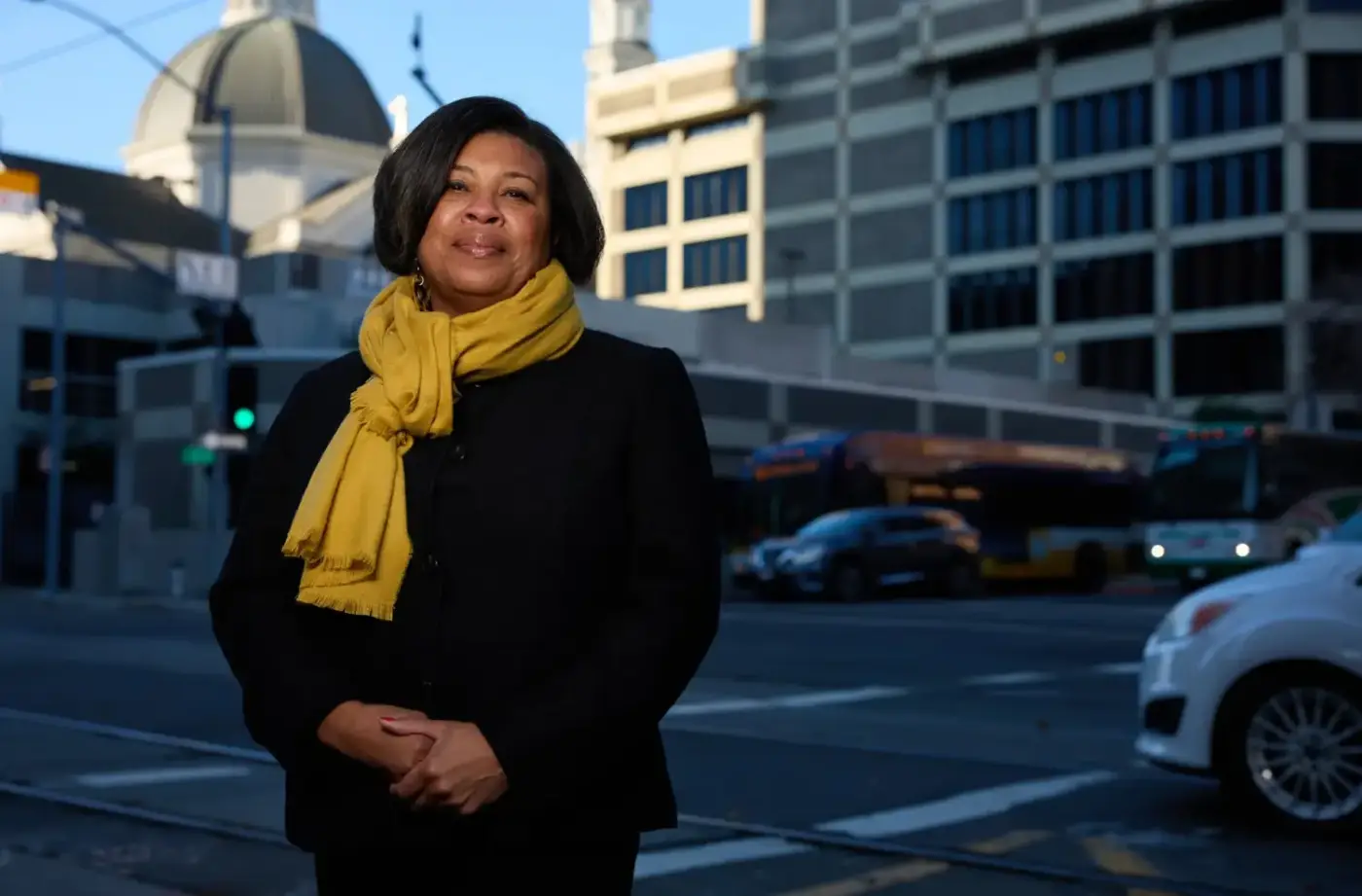
“The frustration of the Black community is at a fever pitch,” said Kendra Lewis, chair of the California Democratic Black Caucus. “Leaders and community members have had enough. They are tired of working for and with nothing and feel disrespected.”
A race drowning in dollars, starved of equity
Steyer is on track to run the most expensive gubernatorial campaign in state history, having personally poured $105 million into the race from January through mid-April. By contrast, State Superintendent of Public Instruction Tony Thurmond raised just $62,000 in the most recent fundraising period — a fraction of what Steyer has spent in a single week — underscoring the brutal financial reality facing candidates who don’t arrive with personal fortunes or Silicon Valley backing. According to KPI’s 2026 Political Media Forecast, as reported by Axios, California is projected to see $773 million in total political ad spending this election cycle — third in the nation. That flood of money has gone largely to mainstream broadcast television. Black-owned newspapers, radio stations, and digital outlets — the trusted voices that reach Black voters where they live — have been left out.
Lewis, who fields calls from across the state as chair of the Black Caucus, says the gap between what campaigns spend and where they spend it is impossible to ignore.
“People reach out to me on a weekly basis wanting to know if we have resources for education and outreach,” she said. “Our community is being taken for granted.”
The data backs her up. California is home to the fifth largest Black population in the country. Black voters have consistently delivered for Democratic candidates cycle after cycle.
“If you look at the data for each cycle, it’s clear that we show up,” Lewis said. “The investment in campaigns, hiring consultants, and using Black businesses doesn’t match how we show up at the polls.”
‘Punching above our weight’
Pastor Michael McBride, co-founder of the Bay Area’s Black Church PAC, has watched this dynamic play out for years — and says this cycle may be the breaking point.
“It continues to be a point of great frustration that the California Democratic Party and the candidates running for statewide offices do not invest in voter engagement in Black communities,” McBride said. “We are always punching above our weight in elections, and are never given the resources to increase our turnout when voting day arrives. We demand transparency and equitable investment and call for campaigns to commit to this in the upcoming primaries and midterm elections.”
The warning carries real electoral stakes. With Republican voters largely coalesced around two candidates and Democrats divided across a crowded field, there is a real risk that two Republicans could advance to the November general election. If Black turnout drops due to disengagement, that risk grows considerably.
Lewis was direct about where the blame would fall.
“If Black voters don’t show up at the polls, it’s because these campaigns have not invested in the Black community,” she said. “The results (in California) are going to mimic what’s going on nationally.”
‘It’s about value’
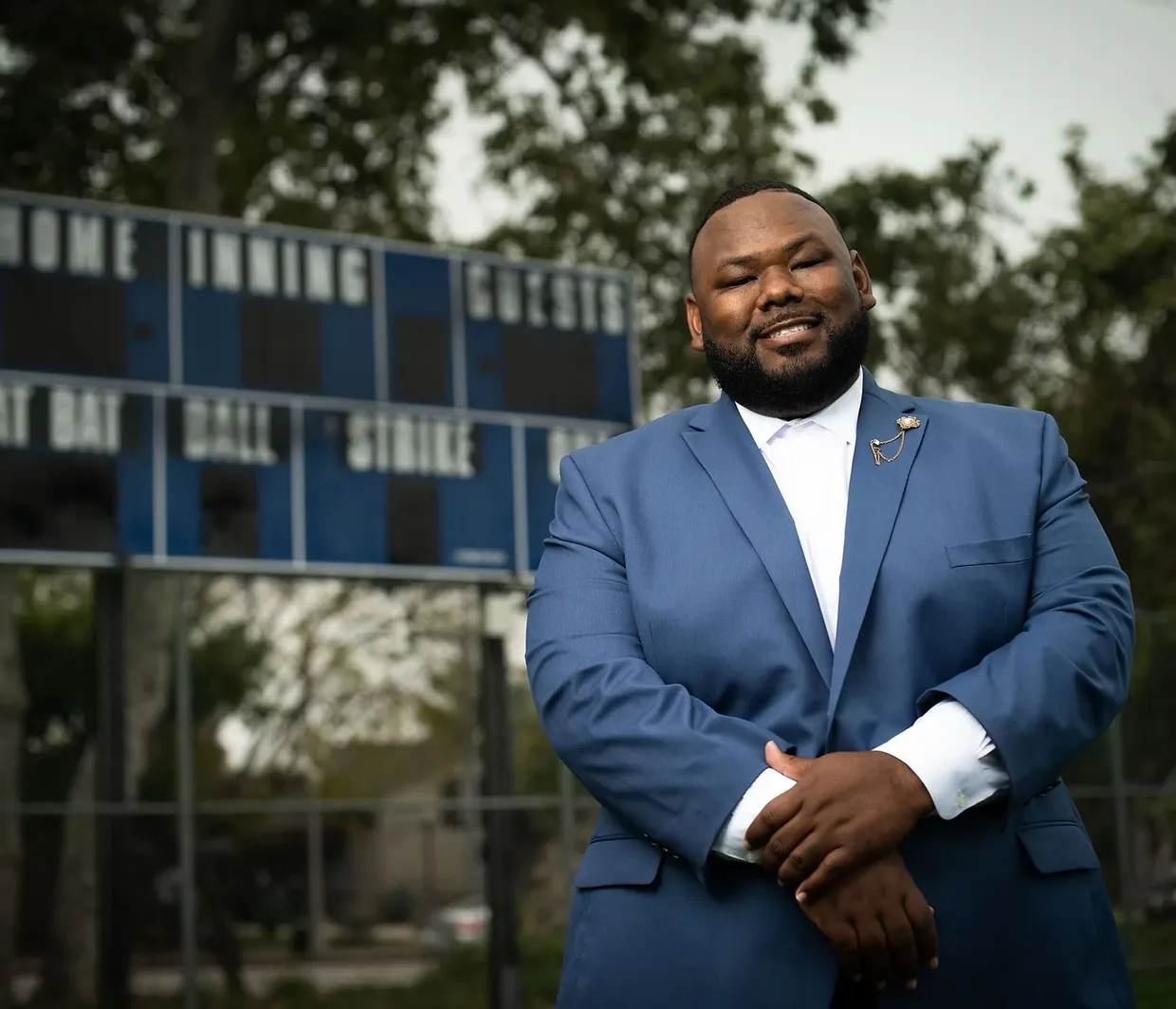
Brandon Lamar, President of the Pasadena NAACP, draws a careful but important distinction — and it sharpens the indictment.
“I wouldn’t say Black voters are being ignored outright, but I do believe our priorities are being overlooked,” Lamar said. “There’s a difference. Campaigns may acknowledge the Black vote symbolically, but when you look at where resources are actually being invested, it often doesn’t reflect a real commitment to engaging our communities in meaningful ways.”
For Lamar, the issues are not abstract. In communities like Altadena and Pasadena — still recovering from devastating wildfires — equitable disaster recovery sits alongside housing, economic mobility, public safety, and education as urgent, daily concerns that candidates have largely failed to address directly.
“Candidates should be articulating specific plans that speak directly to these realities and showing how resources will follow those plans,” he said. “What candidates owe Black voters this cycle is simple but significant: intentional engagement, real investment, and accountability to our priorities.”
Lamar pointed to his community’s own record to make the stakes plain. The Pasadena NAACP chapter reports a 75 percent voter turnout rate among its membership.
“It’s not about visibility alone — it’s about value,” Lamar said. “And right now, many Black voters are still waiting to see that their priorities are being taken seriously. Campaigns owe us more than symbolic outreach. They owe us presence, partnership, and policy that reflects our lived experiences.”
‘Not an afterthought’
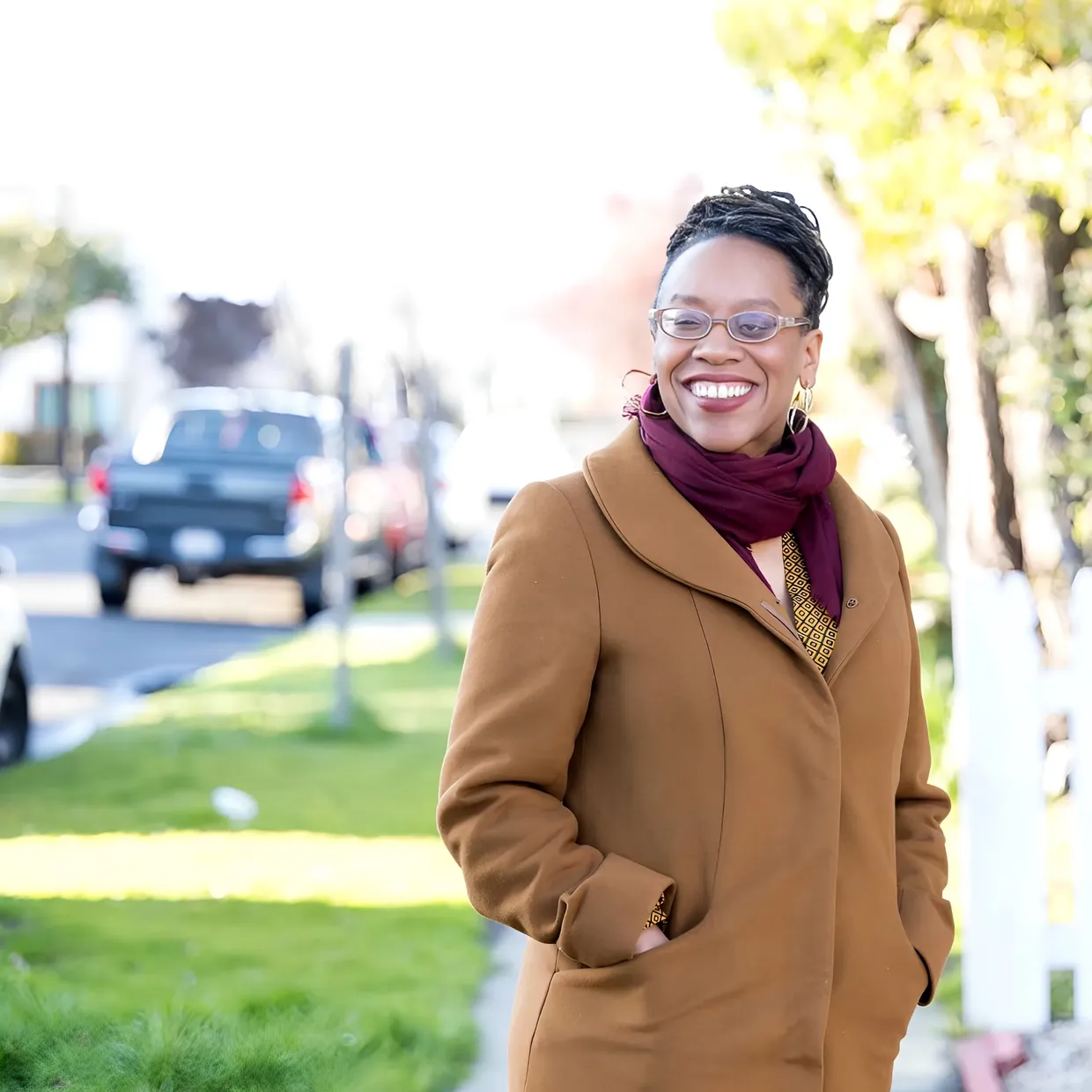
Congresswoman Lateefah Simon, who represents the East Bay in Congress, put the stakes in stark terms.
“California is home to one of the largest Black populations in the country, and yet cycle after cycle, Democrats spend millions on everything but Black-owned media, Black-owned consultants, or Black-owned small businesses and partnerships,” Rep. Simon said. “Black Californians have been raising the alarm for decades, and we’ve made progress. But I hope we continue to increase how we politically organize, involve, and energize around Black communities so that we’re not an afterthought.”
With ballots arriving in mailboxes next week, the window is closing.
“If candidates are serious about earning our support, they need to invest in Black-owned media, show up in our neighborhoods, and speak directly to the issues impacting our lives, not just spend millions on broad messaging that never truly reaches us,” Lamar said.
Black leaders have delivered their message clearly. The question now is whether any campaign is listening.
Mail ballots begin arriving May 4. The last day to register is May 18. Election Day is June 2.
Larry Lee is the President and Publisher of the Sacramento-based Observer Media Group. This op-ed is republished with permission.