


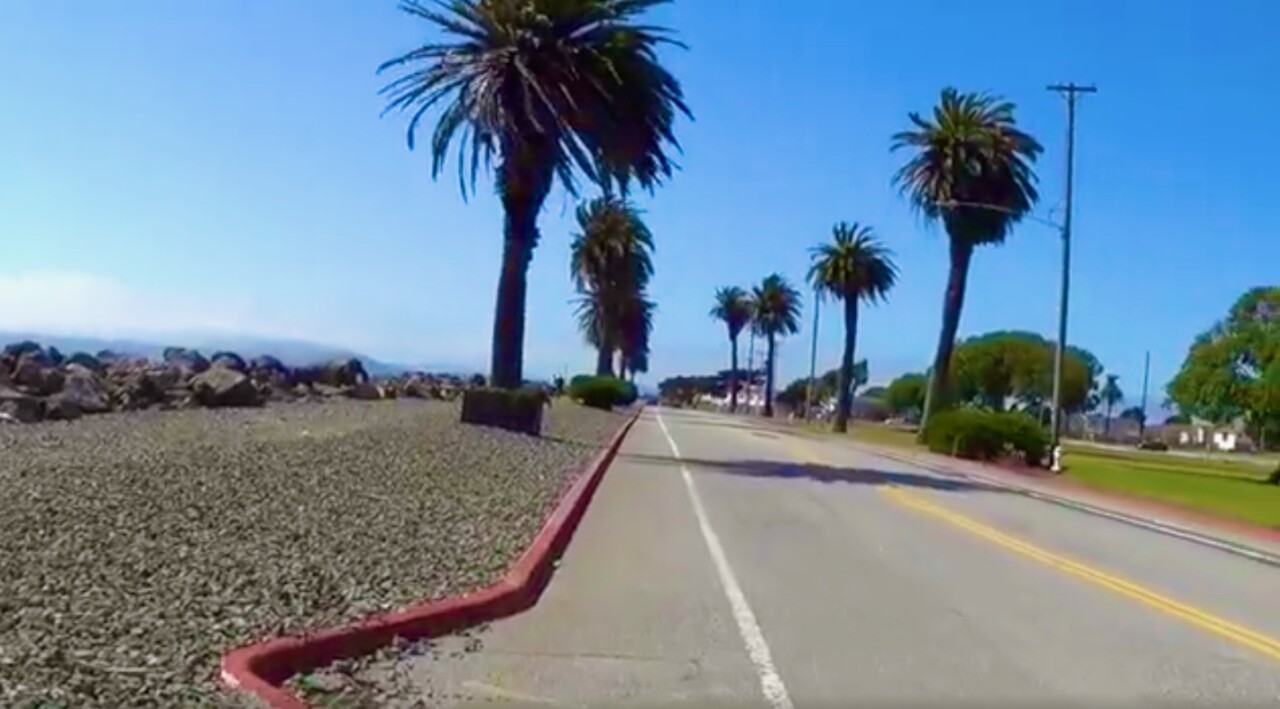
– Photo: Carol Harvey
VIDEOS: Hunters Point TI Anger Grows Over Cover-up & Deaths While Billionaires Plan More Condos On Nuke Sites
https://youtu.be/u9OsiEow52o
SF Hunters Point/TI Residents Protest SF Mayor Lurie & Politicians Over Nuke Contamination Cover-up
https://youtu.be/yqYgju9cKIU
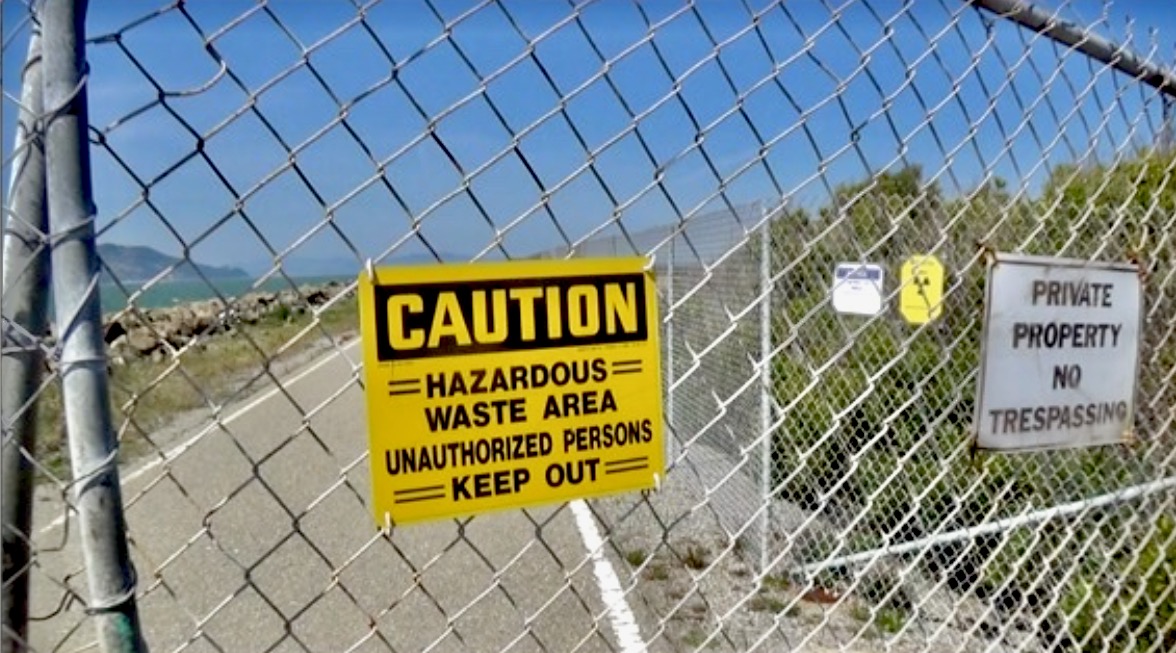
PHOTO 2 (optional): Navy spread, burned radioactive waste over 93-acre open field, then built 150 townhouses on it by Carol Harvey
CAPTION 2: On the northwest end of Treasure Island facing the Golden Gate Bridge, refuse was spread over 93 acres in an enormous open field and burned. The Navy built 150 townhouses over the radioactive waste. – Photo: Carol Harvey
PHOTO 3: Sammy Johnson, 10, former TI & HP resident, died 0221 of brain tumor rare in children by Nia Johnson
CAPTION 3: In February 2021, former Treasure Island and Hunters Point resident 10-year-old Sammy Johnson died of a brain tumor, a type that is rare in children. – Photo: Nia Johnson
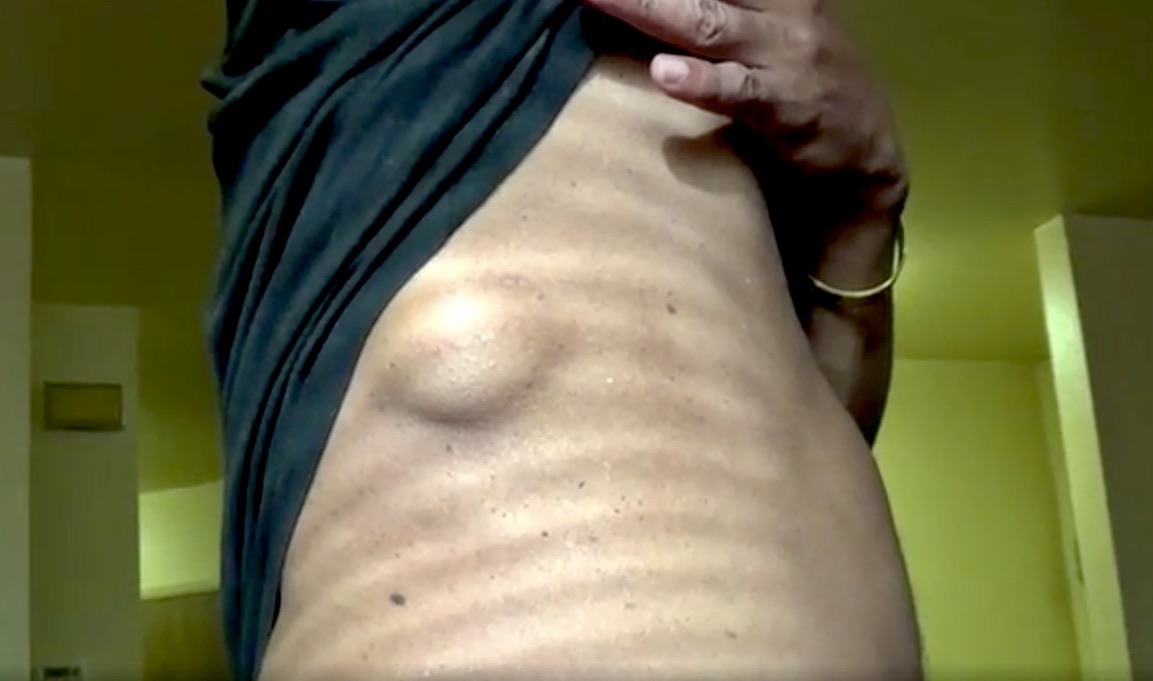
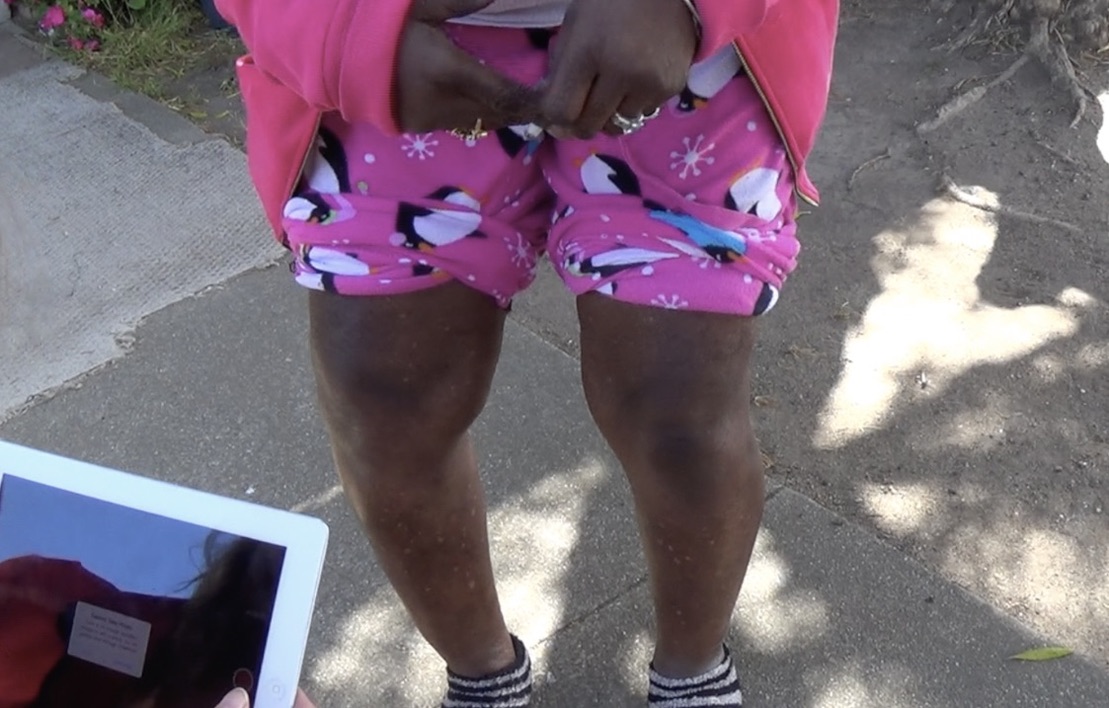
PHOTO 4: Andre Patterson, 1409 Sturgeon St., TI, near townhouse w radioactive reading a million times above human toleration, shows tumors on shoulder & side by Carol Harvey
CAPTION 4: Andre Patterson developed tumors on his shoulder and side living at 1409 Sturgeon St. on Treasure Island near a townhouse with a radioactive reading on the floor of a million times above human toleration. – Photo: Carol Harvey
by Carol Harvey and James Pepper
It is widely believed that Treasure Island was built for a world’s fair. This is a misguided idea advanced by San Francisco that illustrates the city’s supreme skill at self-promotion and the Navy’s skill at concealing the truth.
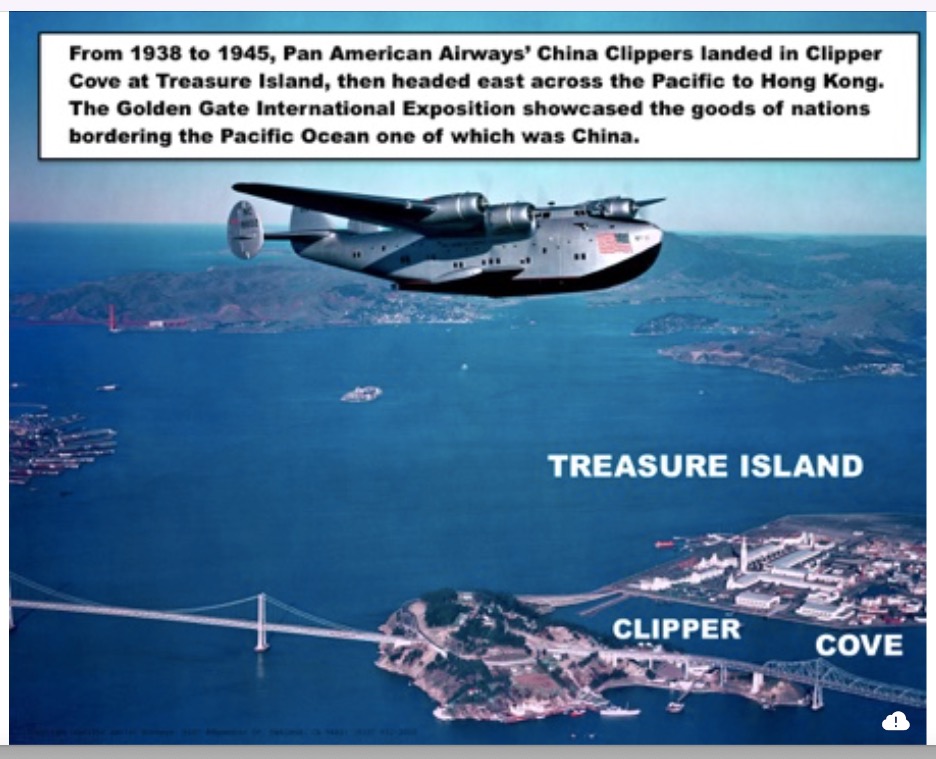
San Francisco is great at comebacks. In previous years, the city suffered two cataclysmic shocks. At 5:12 a.m. on April 18, 1906, the deadliest earthquake in U.S. history, nearly 8.0 on the Richter scale, struck the city. An estimated 3,000 people died. As buildings collapsed, ruptured gas lines ignited fires that left the city in ruins. Rapid rebuilding was followed by a victorious 1915 world’s fair. The Panama-Pacific Exposition memorialized the city’s speedy recovery from the quake.
The City pulled off a second glorious return. During the 1929 stock market crash, banks failed right and left, but not one of San Francisco’s banks collapsed. The City solidified its reputation as a national financial center at the very height of the Great Depression. It was decided to celebrate by building two bridges. They would be the largest in the world. Bay Bridge construction began July 8, 1933, and the bridge opened three years later on Nov. 12, 1936. Golden Gate Bridge construction started Jan. 5, 1933, and it opened four years later on May 27, 1937.
In the 1930s, before the concept of another world’s fair was a gleam in anyone’s eye, because the city was known as a major West Coast hub, the federal government decided to build an artificial island for a federal airport in San Francisco Bay. In 1933, the government requested that the Army Corps of Engineers begin construction. This Works Progress Administration (WPA) undertaking was intended to provide employment during the Great Depression.
The United States government paid for Treasure Island. On May 27, 1943, a hearing about Treasure Island was held by the Committee on Naval Affairs in the Senate Office Building in Washington, D.C. According to a statement by Rear Admiral Ben Moreell, Chief of the Bureau of Yards and Docks, now known as Naval Facilities Engineering Command (NAVFAC), a key branch of the United States Navy, the island was paid for with federal funds furnished by the Public Works Administration and the WPA. The document at the accompanying link describes the decision to build Treasure Island as an airport, and it specifies how much the federal government would pay.
Later, the state of California and San Francisco tried to lay claim to Treasure Island, but the federal government said, “No, we paid for it. It belongs to us, and, in addition, the Bay is federal waters.”
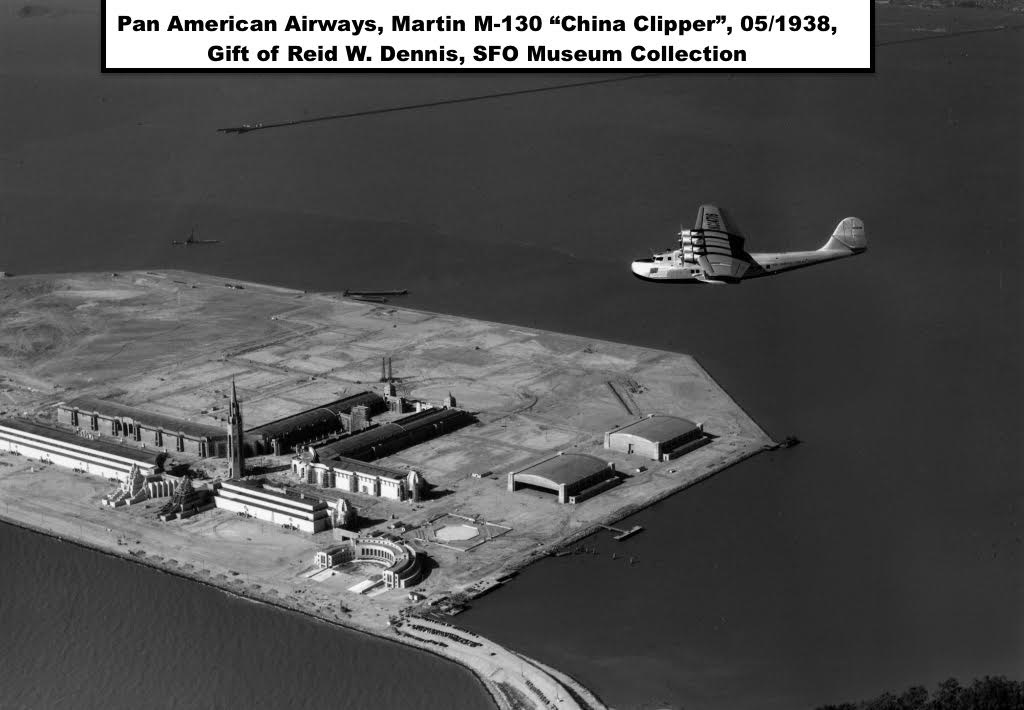
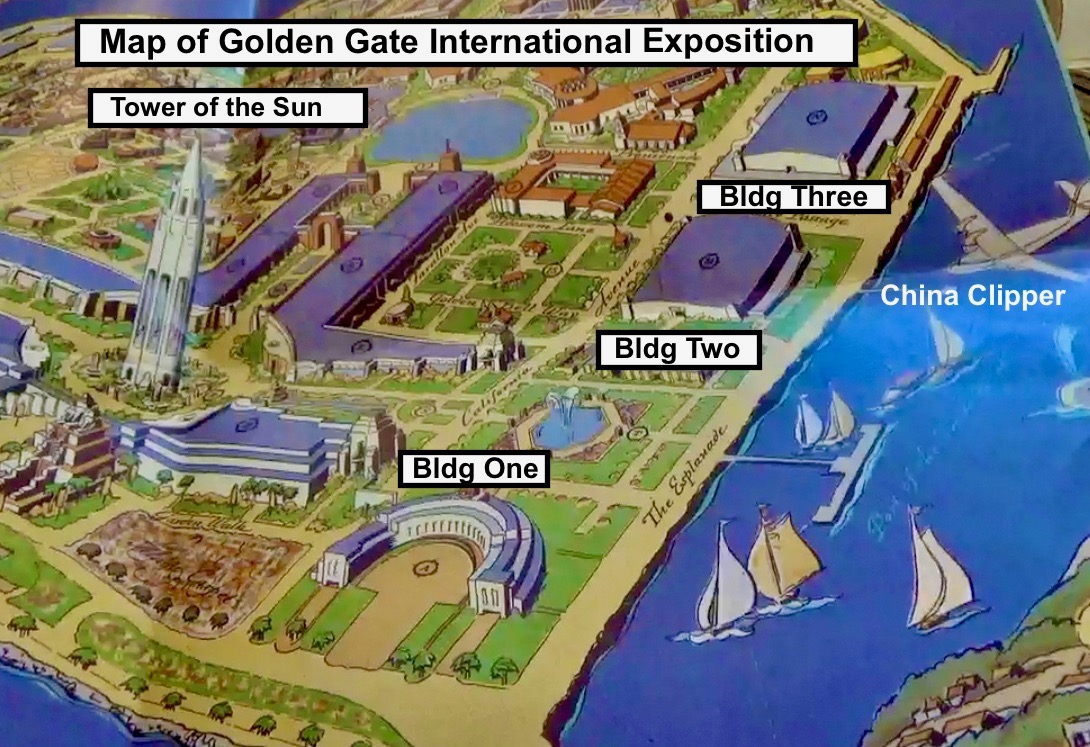
After Treasure Island slowly emerged from San Francisco Bay, the Navy constructed Buildings One, Two, and Three for use as hangars. The photograph below shows the three hangars in place in 1938 before the Golden Gate International Exposition structures were erected. Building One’s echoing rotunda has a terminal’s vaulted ceiling. Building Two on Clipper Cove was the landing place for Pan American Airways China Clipper seaplanes, the “flying boats” popular at the time. Building Three housed aircraft.
The new island was located centrally in the Bay Area, making it perfect for an administrative naval base and an air station for China Clippers.
Before the Navy laid claim to Treasure Island, the city opened the Golden Gate International Exposition to great fanfare on Feb. 18, 1939.
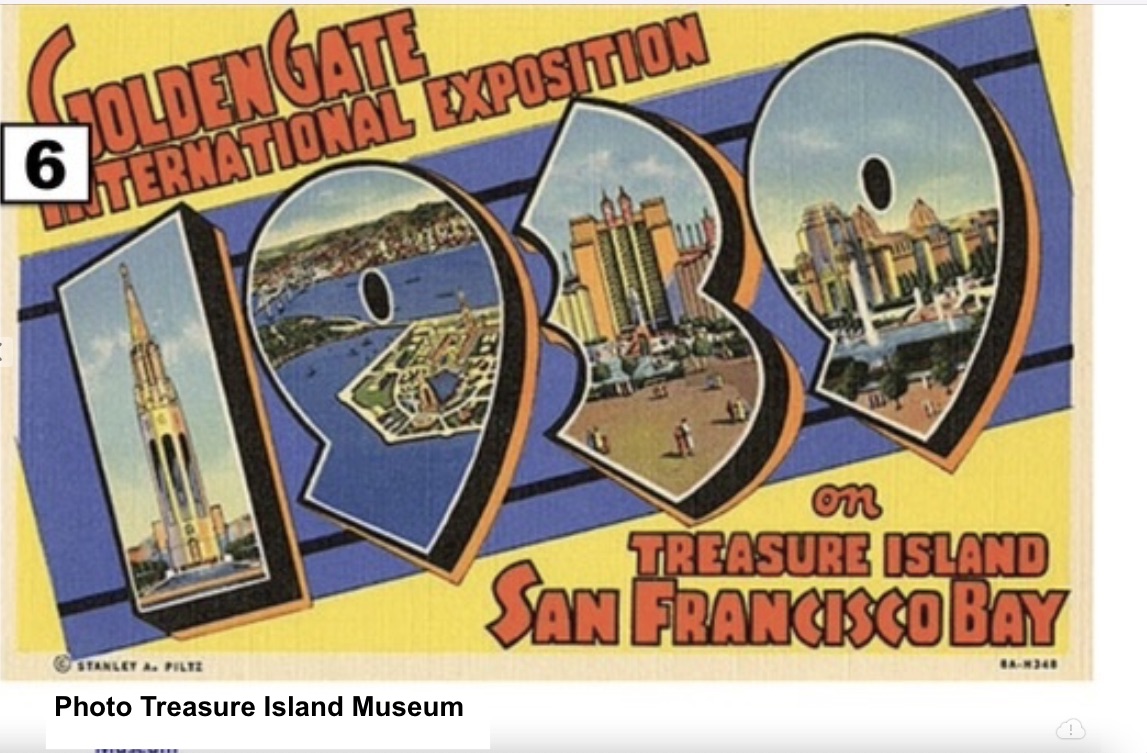
GGIE was the advertisement juggernaut of the century. It was a glitzy carnival that lasted 372 days throughout 1939 and 1940. Richard Reinhardt, in his book “Treasure Island: San Francisco’s Exposition Years,” called it “a bower of bliss,” the “capsule of my dreams.” As a boy, he was continually drawn to the island by its exciting events. It attracted strange and familiar notables like the Maharajah of Kapurthala, Presidents Roosevelt and Herbert Hoover, and entertainers like Esther Williams and Edgar Bergen with his puppet, Charlie McCarthy, in hand.
After the spectacle ended, the U.S. Navy followed through with the original plan to take Treasure Island for an airport.
During this time, the United States was being drawn into the Second World War. In preparation for the conflict, on Dec. 29, 1939, the Navy purchased Hunters Point Shipyard and turned it into a naval base. The U.S. officially entered World War II on Dec. 8, 1941. On April 17, 1942, the former site of the Golden Gate International Exposition officially became Naval Station Treasure Island.
Three years later, in 1945, the U.S. dropped atomic bombs on Hiroshima and Nagasaki, Japan. The Navy decided to use Treasure Island for schools to teach sailors how to handle the new nuclear firepower. Between 1944 and 1997, the Navy cycled an estimated 400,000 sailors through Treasure Island. Many attended “academies” the Navy set up for instruction in how to handle the new, incredibly powerful radioactive and chemical weapons. As a result, deadly toxins stored in these schools were dumped into the soil and groundwater and remain there, continuing to move up and outward into the air.
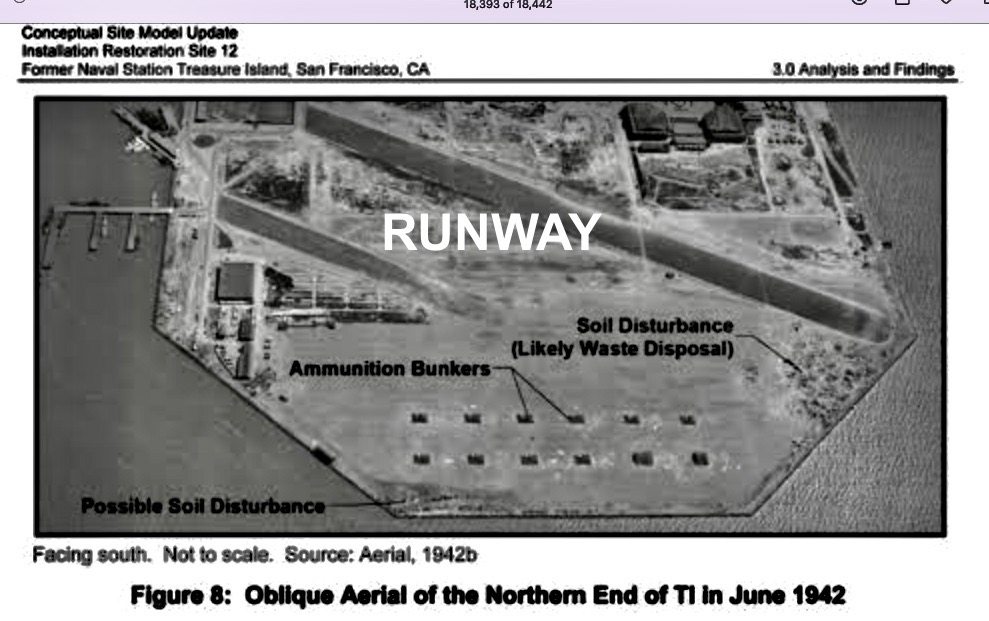
Before the war, the Navy built a runway diagonally across Treasure Island. It ran from the southwest shore opposite Angel Island in a northeasterly direction toward a pier on the Berkeley side of the island facing the Bay Bridge. The Navy conducted chemical, biological and radiological (CBR) warfare training along the airstrip.
In time, the Navy suggested that San Francisco make Treasure Island its civilian airport. This never came to fruition. In 1944, a seaplane (perhaps one of Pan Am’s Clipper ships) that was trying to land on the runway collided with a ship on the south side of the Bay Bridge. This caused concern that planes would hit the bridge. Therefore, it was decided that Treasure Island was not large enough for an airport.
In 1947, a congressional hearing conducted in San Francisco officially vetoed the proposal. The Navy wanted Treasure Island for a base. So, the military airport at Mills Field, 12 miles away in San Mateo County, was exchanged for Treasure Island and given to the City and County of San Francisco. It was named San Francisco International Airport (SFO). (SF means San Francisco. The signifier “O” is the last letter in Francisco.) SFO was meant to serve the entire Bay Area.
Not only did the Navy dump radioactive material and chemical weapons into Treasure Island soil, but from 1941 to 1965, the Navy deposited its garbage as far as possible from Navy headquarters, which was located at the southeast end of the island. On the northwest end, facing the Golden Gate Bridge, refuse and incinerated solid waste were spread over 93 acres in an enormous open field. In burn pits and a huge beehive incinerator, everything imaginable was set on fire — wires, machinery parts, even radioactive objects. Burning reduced this trash to its lethal chemical components. During the 1940s, San Franciscans complained about thick black smoke wafting over from Treasure Island and blanketing the city. In response, the incinerator was taken down.
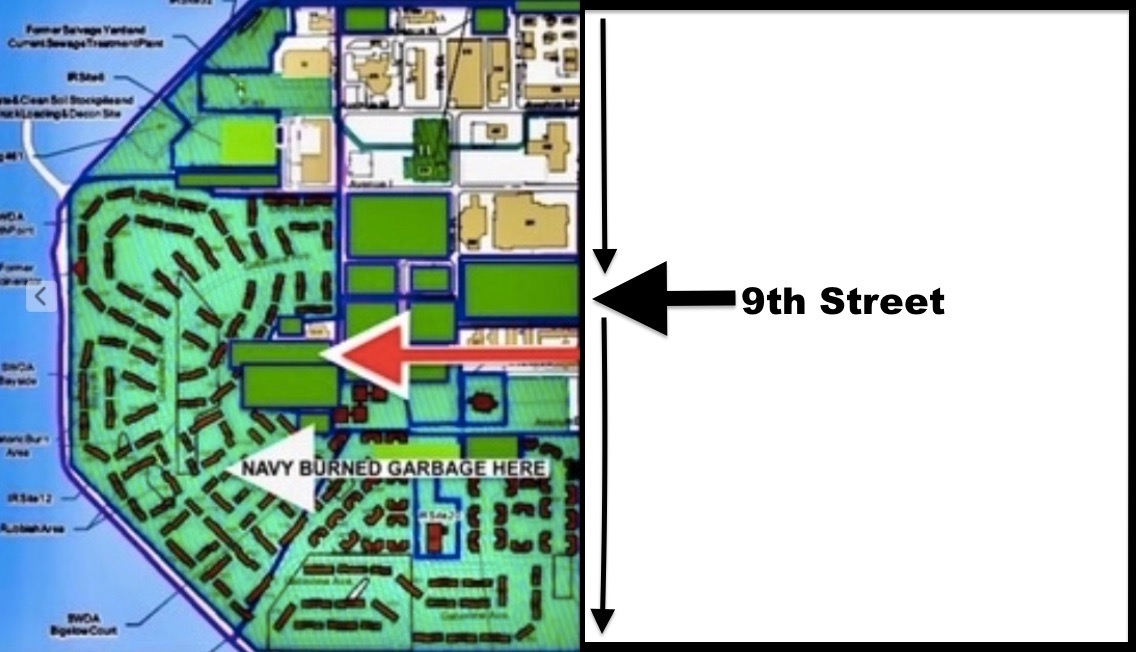
In 1965, the Navy hired Actus Sundt Construction Co. to build 150 townhouses on the polluted soil for a residential community of 2,000 sailors and their families. Instead of first cleaning the radioactive and chemical contaminants out of the dirt, Navy Seabee tractors graded the soil, pushing the chemicalized garbage around this enormous dump. Then townhouses were built on concrete slabs. Perhaps the Navy thought a layer of cement would shield the residents from radioactive objects and waste beneath their homes. It is unlikely. The most common radioisotope polluting Treasure Island soil is radium-226, and it has a half-life of 1,600 years.
Despite all this, the views from Treasure Island townhouses were (and still are) spectacular.
In the late 1980s, Congress decided naval bases were too expensive and began shutting them down.
At that time, the Environmental Protection Agency (EPA) mandated cleanup of all bases. The U.S. Navy’s remediation of radiation and chemicals from Treasure Island began in 1999, yet remains uncompleted after 27 years.
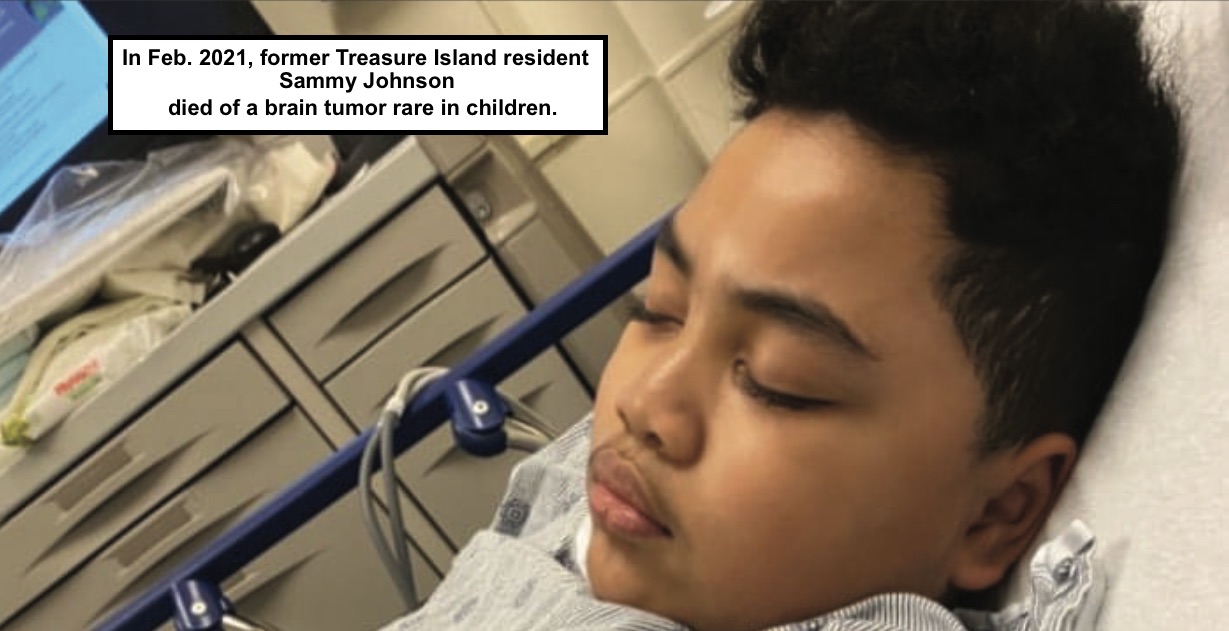
In 1997, the Navy decommissioned its Treasure Island base. The decision was made to solve San Francisco’s never-ending homeless problem by transporting people from the City’s mean streets to subsidized former Navy townhouses with programs for people with mental health issues and drug addictions. Not one of these poor white — but mostly melanated — mothers with children (like Sammy Johnson, who died of brain cancer) was informed that Treasure Island was radioactive and chemically contaminated and that the base was a chemical warfare training center where the Navy stored and used weapons like mustard and sarin nerve gas. These chemical weapons are the most dangerous toxins in existence and far more damaging than radiation to human health.
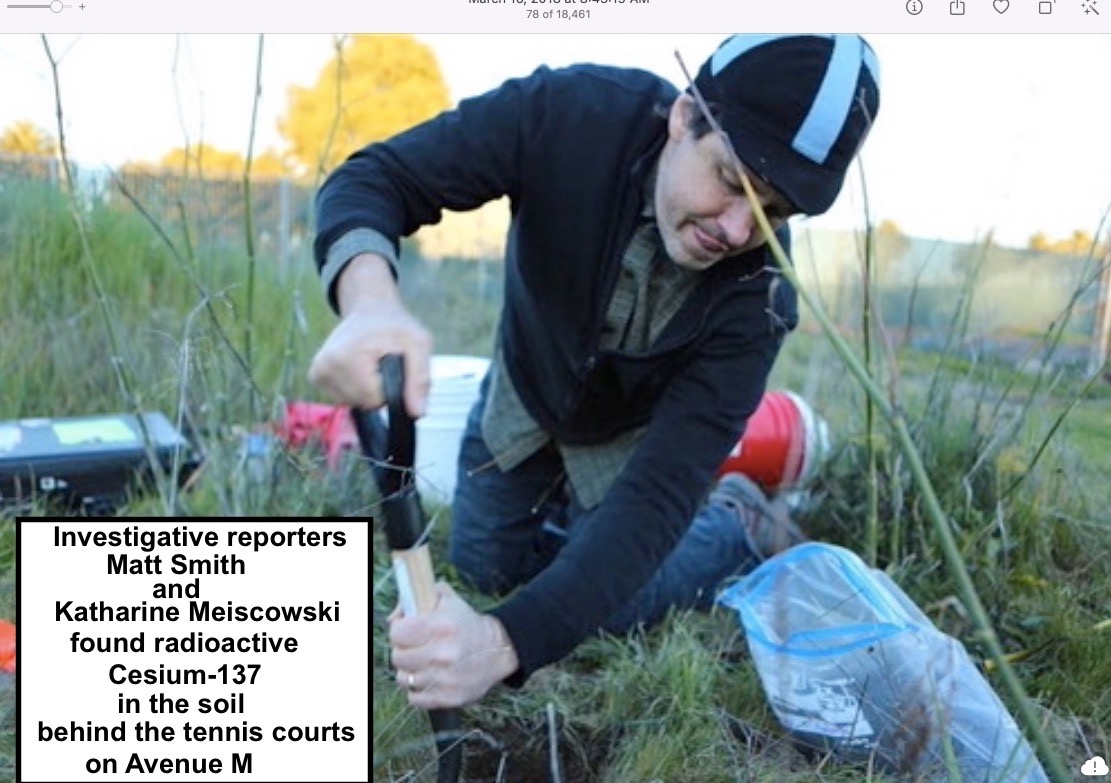
The Navy told the residents it was safe for them to live five or 10 feet from radiation cleanup zones. When a series of investigative news reports proved otherwise, the residents became angry and upset and demanded the Navy come clean about the danger.
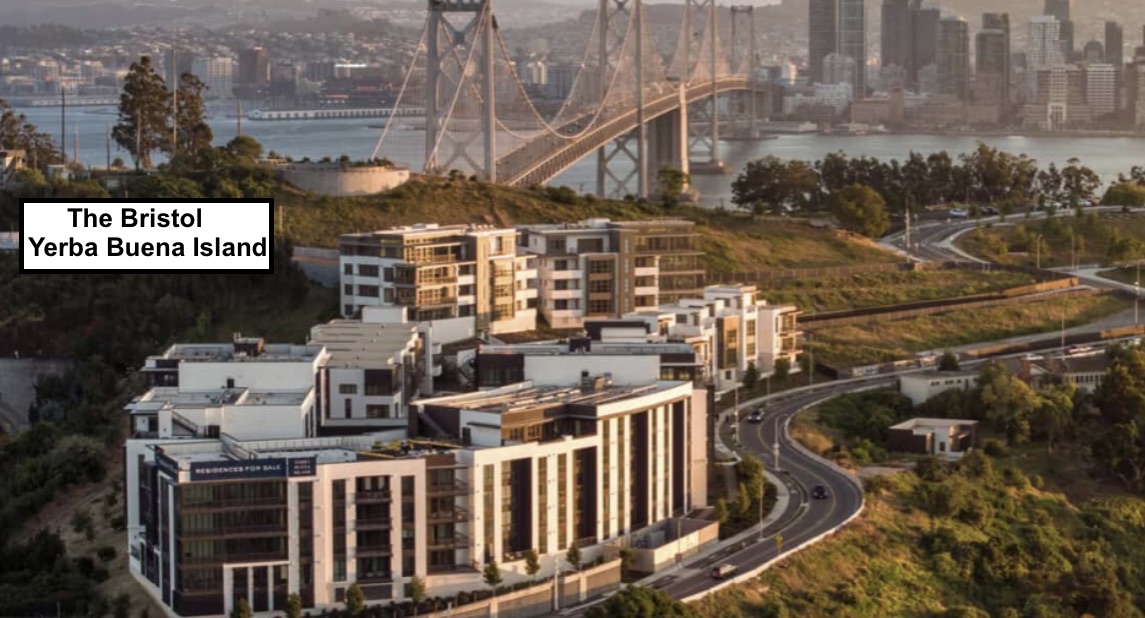
How history repeats itself! Just as in the past with the 400,000 sailors and low-market-rate and homeless San Franciscans, not one of the prospective residents currently buying into Treasure and Yerba Buena Islands’ glitzy high-rises and condos on the redeveloped islands is informed about the radioactive and chemical contamination the Navy can never completely clean out of the soil, groundwater and air.
But that’s a story for another day.
Credit: Thanks to researcher James Pepper, whose contributions to this article are invaluable.
Carol Harvey and James Pepper are investigative journalists. Harvey, a San Francisco political journalist specializing in human rights and civil rights, can be reached at carolharvey1111@gmail.com.