



by Eric ‘E Da Ref’ Hunter
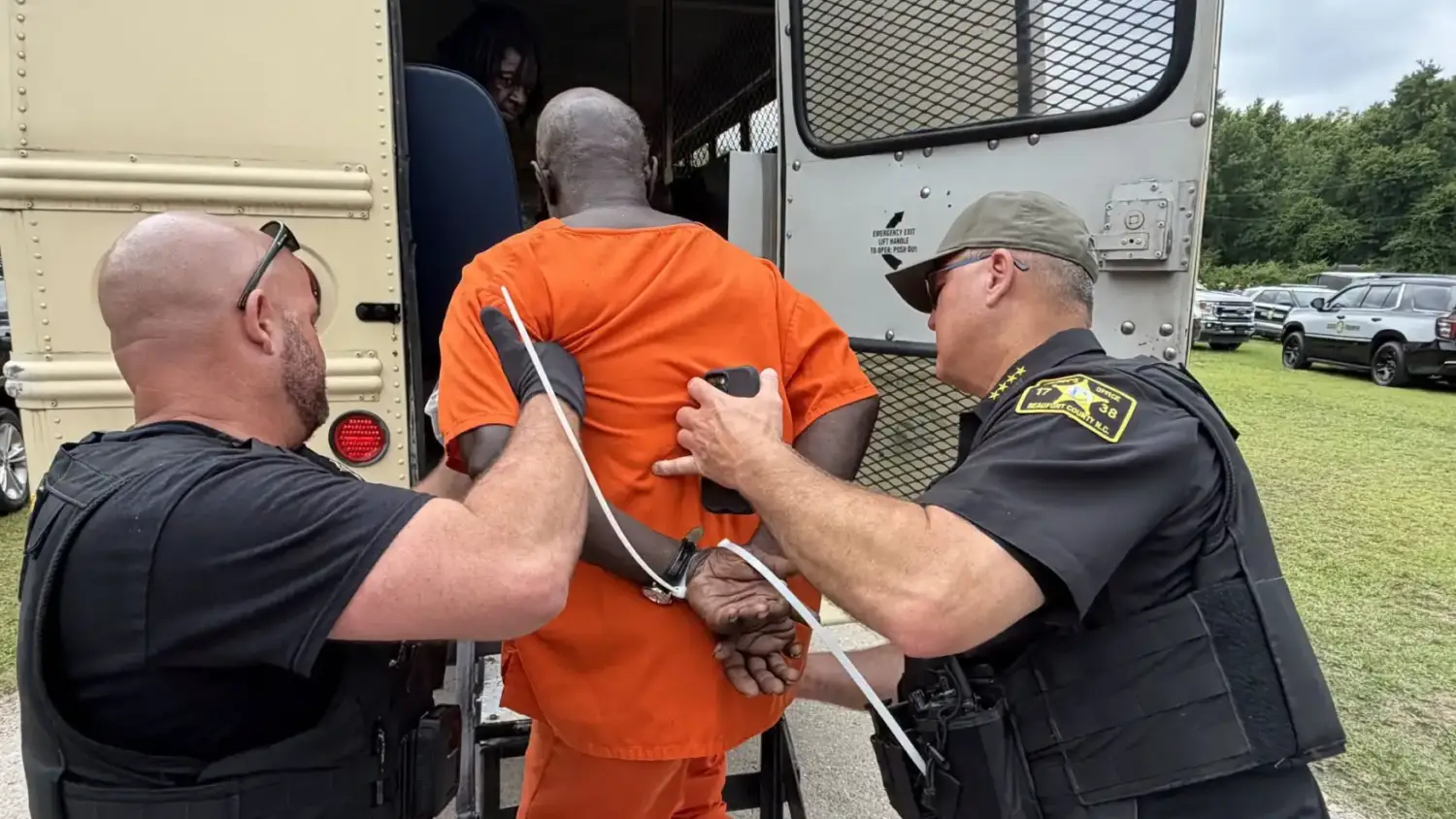
On the morning of June 29, 2026, the Bertie-Martin Regional Detention Center in Windsor, North Carolina, became the focus of national attention after inmates seized control of portions of the facility in what officials described as a hostage situation.
According to public reports, the incident began around 5:00 a.m., when inmates assaulted correctional officers and took three staff members hostage. One officer escaped almost immediately. The remaining hostages were released through negotiations by approximately 9:30 a.m.
Tactical units from the North Carolina State Bureau of Investigation (NCSBI), the Federal Bureau of Investigation (FBI), bomb squad personnel, and numerous county sheriff’s departments established a massive security perimeter around the detention center. By approximately 1:45 p.m., authorities declared the facility secure. The staff members who were injured received medical treatment, and all 88 inmates housed at the jail were transferred to other correctional facilities while officials began assessing structural damage.
Many people look at this as an isolated incident. But this is the response to a system that constantly violates human rights. Most of the times when prison uprisings take place, the corporate media pushes this fallacious narrative that it spontaneously erupted from nowhere. History shows us that situations like these are actually the result of years of neglect, deteriorating living conditions, inadequate medical care, mental health crises, broken grievance systems, and the feeling of hopelessness.
Reports from community members and official records have highlighted longstanding concerns regarding inmate care at Bertie-Martin. Whether those concerns directly contributed to the June 29 uprising is up to the People to decide.
As someone who is a member of Black Riders Liberation Party (an organization that was created in prison), I’ve worked on outreach campaigns for solidarity with prison hunger strikes for human rights demands, Break-The-Lock Political Prisoner support, and Book Drives to prison; I came to an understanding that mass incarceration is driven by a corporate private industry built off the profits of prison plantation labor.
When profits are prioritized above the people, it creates the environment for inhumane conditions to exist, and the resistance against a system that benefits from these inhumane conditions is a means of survival and self-preservation. This is when the contradictions of the U.S. Constitution (such as the First, Fourth, Eighth, 13th and 14th Amendments) come to the surface.
This is not just a North Carolina issue. It’s not just a prison issue. Prison is just a reflection of the ghetto colonies across America and the attempt to contain and preserve the exploitation of the people by the ruling class. The Bertie-Martin incident is another reminder of the reality that cannot be ignored. It brings up the questions of what led to this situation.
Were inmates given voice or opportunity to report unsafe or inhumane conditions before tensions reached a breaking point? Were medical and mental health needs being addressed? Have the previous complaints been investigated thoroughly? What preventative measures were overlooked? These are the questions that will lead us to take the proper steps to create transformative change in society by getting rid of an unjust system.
The events at Bertie-Martin should not simply be remembered as a hostage crisis, but a story of struggle that shows how desperation reaches the point where people believe they have nothing left to lose. In the hidden universities of the prison plantations across America, there is a cultivation of consciousness created by the conflict between the haves and have-nots.
The prison walls may separate incarcerated people from the public, but they should never separate the public from the truth.