


by JR Valrey
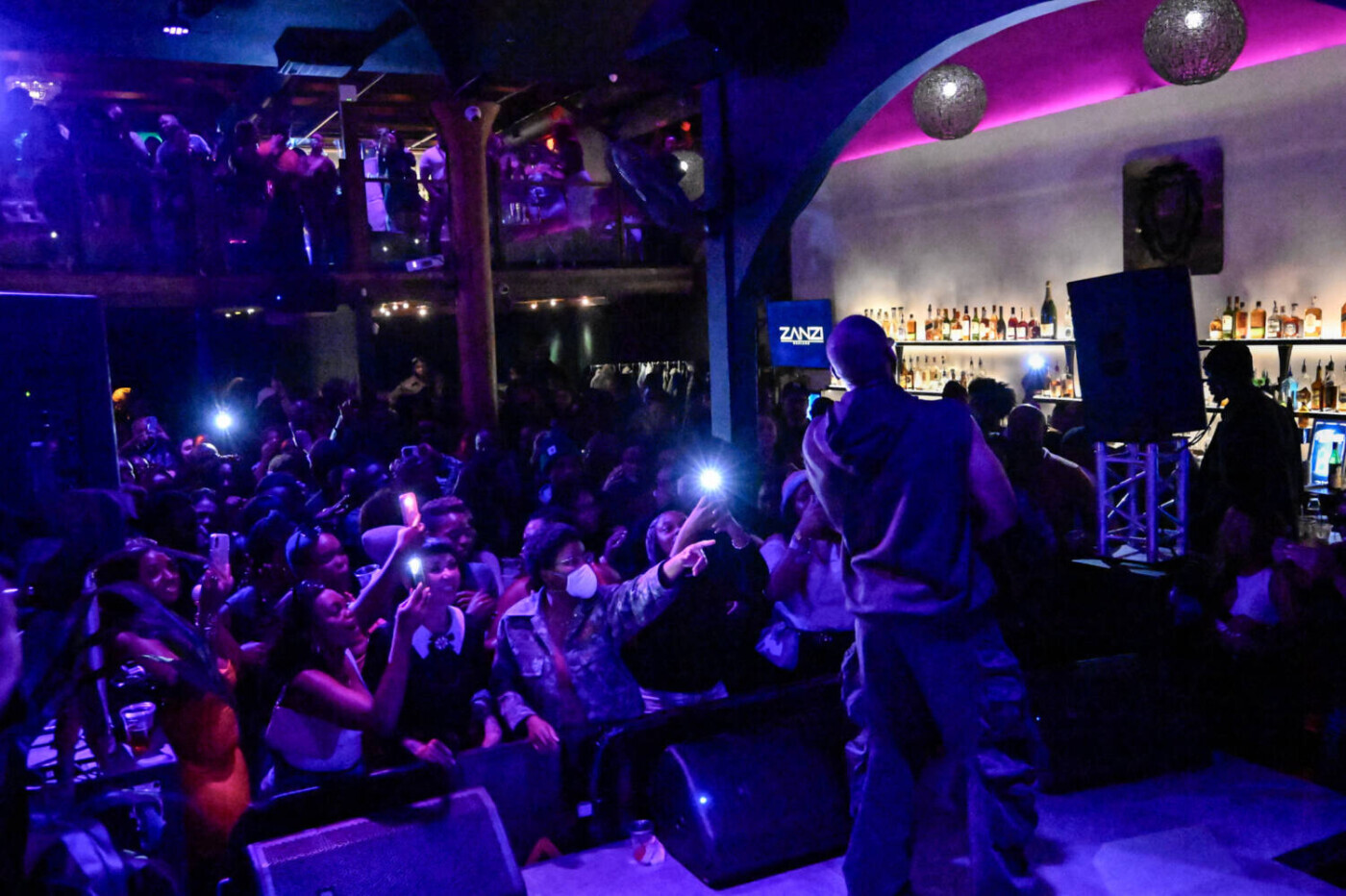
Amapiano, Afrobeat and Reggaeton are the predominant forms of music thumping through speakers and electrifying many dance floors and festivals from the Bay Area to Bogota to Accra. As streaming charts reflect, hip-hop is no longer the unchallenged king of urban music.
Zanzi, in downtown Oakland, is the most popular place in the Bay to dance and listen to Caribbean and African tunes. I had to ask Mek, the owner of Zanzi, a few questions so that those who don’t know about the hottest Caribbean and Amapiano club in the Bay, can get the info.
JR Valrey: How, why and when did you start Zanzi?
Mek: Zanzi opened in 2021, coming out of probably one of the most uncertain periods the nightlife and hospitality industry had ever experienced.
I had already been in the Oakland nightlife business for years through Au Lounge and GFP, so Zanzi wasn’t my first experience operating a venue. But I wanted Zanzi to be something different. I wanted a larger space where we could be more ambitious with the music, the artists, the production and the overall experience.
Over time, Zanzi has evolved quite a bit. What it is today wasn’t created overnight. We paid attention to what worked, what Oakland responded to and where we felt there was a gap. That evolution is really what created the Zanzi people know today.
JR Valrey: What made you want to put Zanzi in Oakland?
Mek: Oakland is home for me. I came here directly from Africa as a young kid and have lived here for 38 years. As an adult, I had already spent years operating businesses here before opening Zanzi. So choosing Oakland wasn’t really a difficult decision.
But more importantly, I’ve always believed Oakland deserves world-class nightlife without people feeling like they have to cross the bridge to San Francisco for it.
The Bay Area is incredibly diverse, and Oakland in particular has always been a place where different cultures, backgrounds and communities come together. There was an opportunity to build something that genuinely reflected that diversity through music and nightlife.
One thing I’m particularly proud of is looking around Zanzi and seeing people from completely different backgrounds in the same room, enjoying the same music. That’s Oakland to me.
JR Valrey: For those who don’t know, Zanzi is definitely the home to some of the dopest Afro-Beat parties, as well as Cuban rumba parties. What other kinds of music do you feature?
Mek: We’re probably best known today for Afrobeats and Amapiano, but Zanzi has never been intended to be a one-genre club.
We do Afrohouse, reggae and dancehall, Latin music, hip-hop, R&B and open-format nights, depending on the event. We’ve also experimented with different sounds and concepts over the years.
Afrobeats and Amapiano have obviously become a major part of our identity, but for us, the common denominator isn’t necessarily the genre. It’s the experience. If the music is good, the energy is right and we believe we can create a great night around it, it can have a home at Zanzi.
JR Valrey: Can you tell the readers about some of the big artists from overseas that have been featured at Zanzi?
Mek: This is probably one of the things I’m most proud of.
We’ve had the opportunity to bring some incredible international artists to Oakland, particularly from Africa. We’ve hosted artists and DJs such as Uncle Waffles, DJ Maphorisa, Tyler ICU, Daliwonga, Major League Djz, Musa Keys, Kelvin Momo, DJ Moma, E-Cool, Lij Mic and Skyla Tylaa, among others.
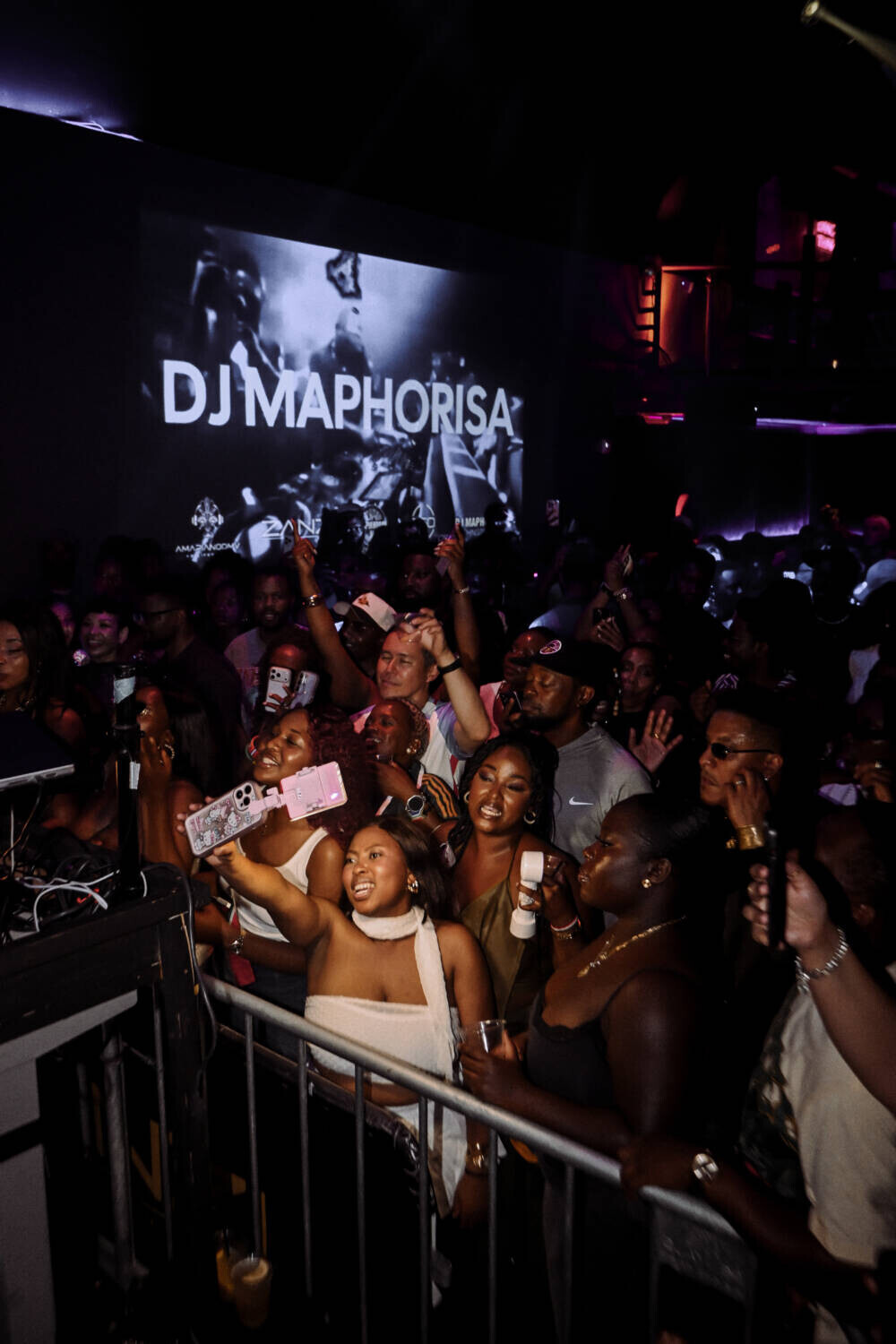
What makes it meaningful to me isn’t just putting a recognizable name on a flyer. In several cases, we’ve been able to give artists their first Oakland appearance and bring experiences to the Bay Area that people previously might have had to travel to Los Angeles, New York or Miami to see.
We’re making Oakland a legitimate stop for this music.
JR Valrey: What has been one of the highlights and one of the major obstacles of operating a club in downtown Oakland that caters to a Black audience?
Mek: The biggest highlight has been seeing Zanzi grow into one of the places helping define what nightlife in Oakland looks like today. We opened during a very uncertain time for downtown, and to see the business not only survive but continue to grow, evolve and create its own identity has been incredibly rewarding. I’m also proud that we’ve been able to do it while staying independent and doing things our own way.
As far as obstacles, operating nightlife in downtown Oakland is challenging in general. There are economic pressures, public-safety perceptions, regulatory requirements, rising operating costs and all of the broader issues downtown has faced since the pandemic and even before.
I also want to say that venues catering primarily to Black and Brown audiences sometimes operate under a different level of scrutiny and perception. Things that may simply be viewed as nightlife somewhere else can sometimes be interpreted differently when the crowd or neighborhood changes. That’s a reality, and I think it’s important to acknowledge it rather than pretend it doesn’t exist.
At the end of the day, I want Zanzi judged by how we actually operate, not by assumptions about who we are or who our customers are.
JR Valrey: How has the mass closing down of businesses and the current economic downturn in the once-bustling downtown Oakland, since the pandemic, affected business?
Mek: It’s absolutely affected us. A nightlife venue doesn’t operate in isolation. A healthy downtown needs restaurants, bars, retail, offices, hotels, residents, transportation and other entertainment businesses. When storefronts close and office workers disappear, there are simply fewer people walking around and fewer reasons for people to come to downtown.
There’s also a perception issue. Negative headlines about Oakland affect people’s decisions about whether they want to come out or not, even when their actual experience once they’re here can be completely different.
At the same time, I think businesses like Zanzi demonstrate why nightlife is an important part of downtown’s recovery. We’re bringing hundreds of people to downtown on certain nights, and those customers don’t only spend money inside Zanzi. They park here, use rideshares, eat at nearby restaurants and support other businesses.
A small example is Melt Burger nearby. Their original plan was to close around 11 or midnight. As the late-night traffic in the area grew, particularly when Zanzi is busy, they began staying open until after we close. I love seeing that because that’s exactly how a healthy entertainment district is supposed to work. One successful business creates customers for another business.
So yes, downtown’s downturn has affected us. But I also think businesses that continue investing and bringing people to downtown are part of the solution. Oakland doesn’t rebuild its downtown by having fewer reasons for people to come here. We rebuild it by creating more.
JR Valrey: What does the name Zanzi mean?
Mek: Zanzi actually started very simply. It’s short for Zanzibar, which I consider one of the most beautiful places on earth. I loved the name, the place and what it represented to me, so I shortened Zanzibar to Zanzi.
What became fascinating was what we discovered afterward. The word itself has different meanings and historical uses in different parts of Africa. But probably the most interesting discovery was that the name Zanzibar already had a history right here in Oakland.
In the 1940s, there was a Zanzibar Club inside the historic California Hotel in West Oakland. It became an important destination for Black entertainment and hosted some incredible artists. As Afro-Cuban music became popular, the club also became known for mambo parties and Latin performers.
I knew absolutely none of that when I named Zanzi.
That’s what makes the connection so special to me. Decades later, Zanzi is again in Oakland bringing together African, African American, Caribbean and Latin music and cultures under essentially the same name.
It wasn’t intentional, and I wouldn’t try to claim that history as ours. But discovering afterward that the name already had roots in Oakland felt strangely full-circle.
JR Valrey: Can you tell people what Zanzi has going in September and October?
Mek: September is a big month for us.
On Sept. 11, we have DBN Gogo; and on Sept. 29, we have a party called One Night In Jozi. We’re currently finalizing contracts with a couple of major artists for October and November. All of these events represent exactly what we’ve been trying to do — bring major international talent directly to Oakland and continue establishing the city as a destination for African electronic music.
We also have our regular programming and concepts continuing throughout the month.
JR Valrey: How can people keep up with you online?
Mek: The best way is through Zanzi’s Instagram. That’s where we announce events, artists, tickets and most of what we’re doing week to week.
IG: @zanzioakland
SF Bay View Editor-in-Chief JR Valrey is a veteran journalist. His work can also be heard on www.blockreportradioworld.com. He can be reached at jr@sfbayview.com.