

By Donald “C-Note” Hooker and Jessica “Noonie” Noble
COMPTON, Calif. — For generations, white corporate media apparatuses have treated Black America like an extractive colony—mining the brilliance, style, rhythm, and language of Black genius while locking our creators out of boardrooms, distribution networks, and equity. Few places have borne the brunt of America’s contradictory appetite quite like Compton: relentlessly stereotyped and pathologized by mainstream news as an emblem of urban decay, while simultaneously commodified by multi-billion-dollar conglomerates profiting off the city’s sonic and cultural exports.
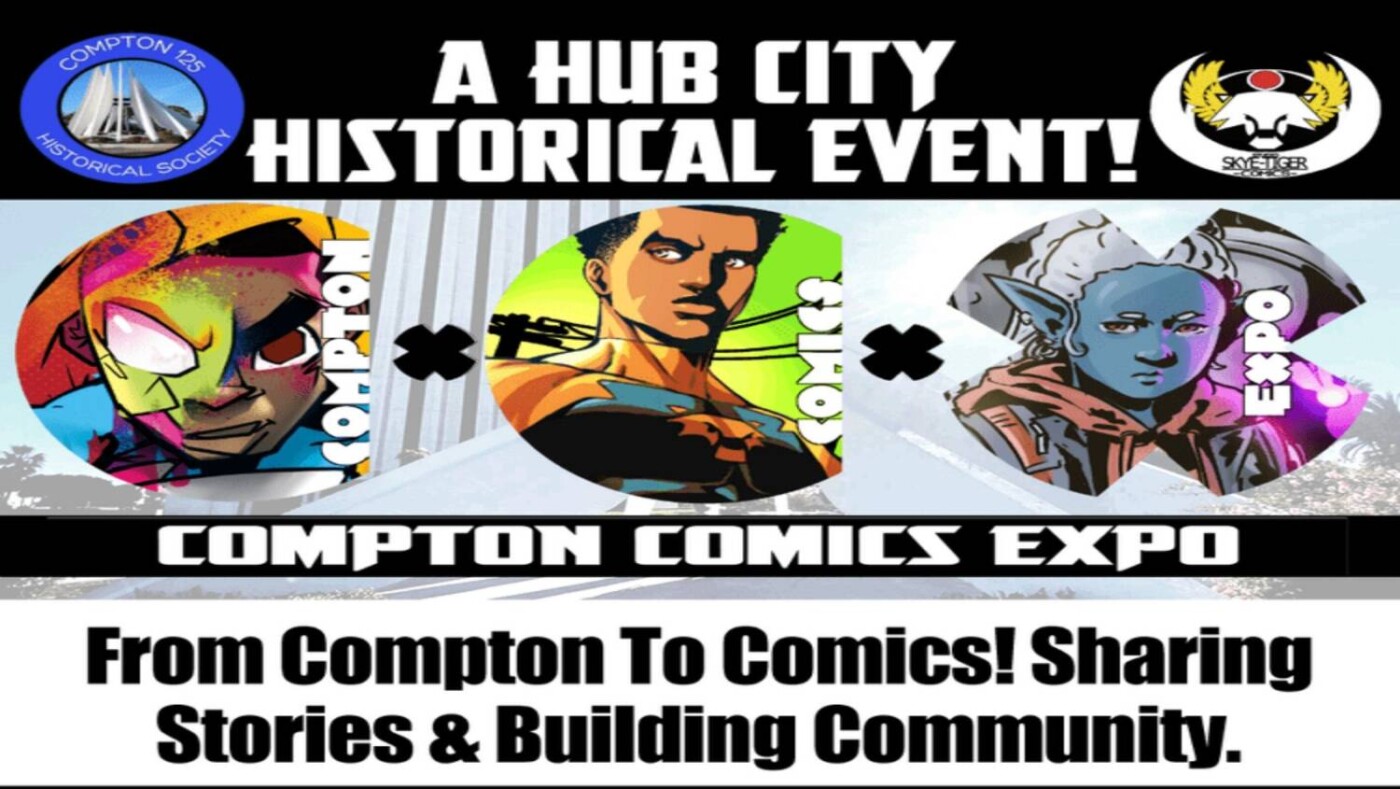
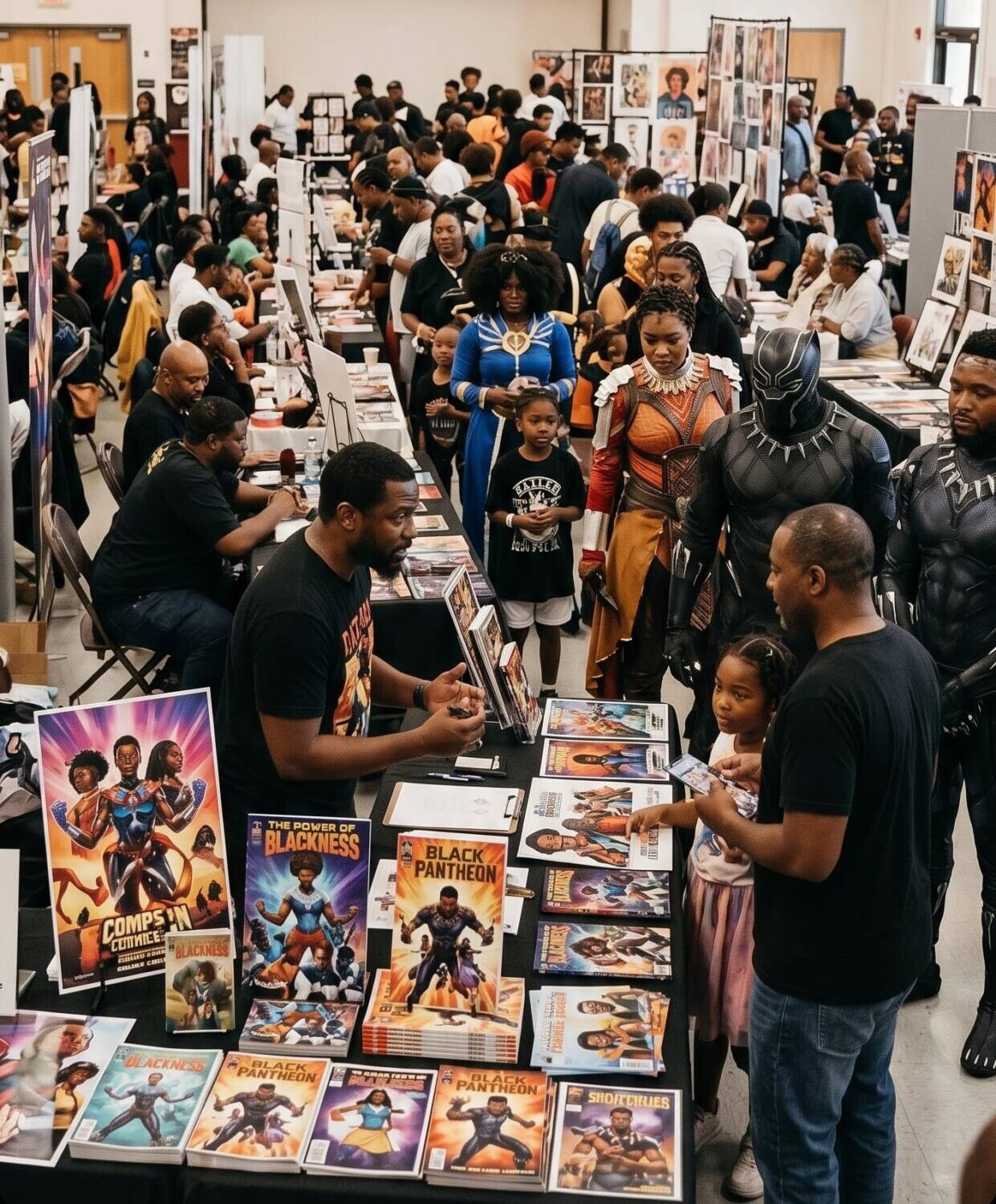
On Saturday, Oct. 24, 2026, the streets of Compton are seizing the means of mythmaking and economic power with the 1st Annual Compton Comics Expo at Compton College. Presented by Studio Skye-Tiger in partnership with the Compton 125 Historical Society, this historic, free gathering is far more than an anime and comic book showcase—it is a defiant exercise in cultural self-determination, Afrofuturist world-building, and economic sovereignty.
The Power of Blackness in the Box Office Pantheon
For decades, Hollywood executives and comic publishing gatekeepers hid behind the self-serving myth that Black stories “don’t travel” or lack mass commercial appeal. The cold, hard numbers shattered that lie forever.
When you level the playing field and stack franchise against franchise across their first two releases in the Marvel Cinematic Universe, Black Panther sits in near-untouchable territory. Amassing over $2.2 billion globally across Black Panther and Wakanda Forever, the franchise stands as the #1 solo character brand in Marvel history through its first two films. It generated more revenue out of the gate than the first two installments of Marvel’s crown jewel Spider-Man ($2.01B), crushed fan-favorites like Guardians of the Galaxy ($1.64B), and delivered more than double the sophomore launches of Phase One’s founding trinity: Iron Man ($1.21B), Thor ($1.09B), and Captain America ($1.08B).
In the entire brand pantheon, the power of Blackness yielded to only one entity: The Avengers—an all-star crossover ensemble requiring an entire universe of heroes to assemble. Domestically, the Black Panther franchise pulled in over $1.15 billion in North America alone, outpacing even the first two Avengers films. Black imagination isn’t a niche sub-genre; it is a historic economic locomotive. Yet, despite proving that Black worlds print billions, the corporate machine keeps the master rights, licensing profits, and intellectual property locked away in executive suites.
Dismantling the Gatekeepers: Black Intellectual Property as Liberation
The comic book industry and speculative fiction have long mirrored America’s racial hierarchy. Black youth have grown up watching white heroes save worlds that offer our people little justice, while Black characters were either omitted entirely or reduced to sidekicks and afterthoughts filtered through an unapologetic white gaze.
Commercially, the stakes are existential. Pop culture franchises and superhero intellectual property generate hundreds of billions in global box office, merchandising, gaming, and streaming revenue. Historically, our communities generated the creative energy while white corporate executives retained the copyright, the royalties, and the publishing houses.
The Compton Comics Expo flips this exploitative paradigm on its head. By giving prominence to independent outfits like Studio Skye-Tiger, the event centers Black ownership of the narrative and the copyright. It marks a decisive shift from merely begging for “representation” at Hollywood’s table to building our own platforms, owning the underlying intellectual property, and keeping economic capital circulating directly within our communities.
From Eve After Dark to Graphic Novels: The Lineage of West Coast Hip-Hop
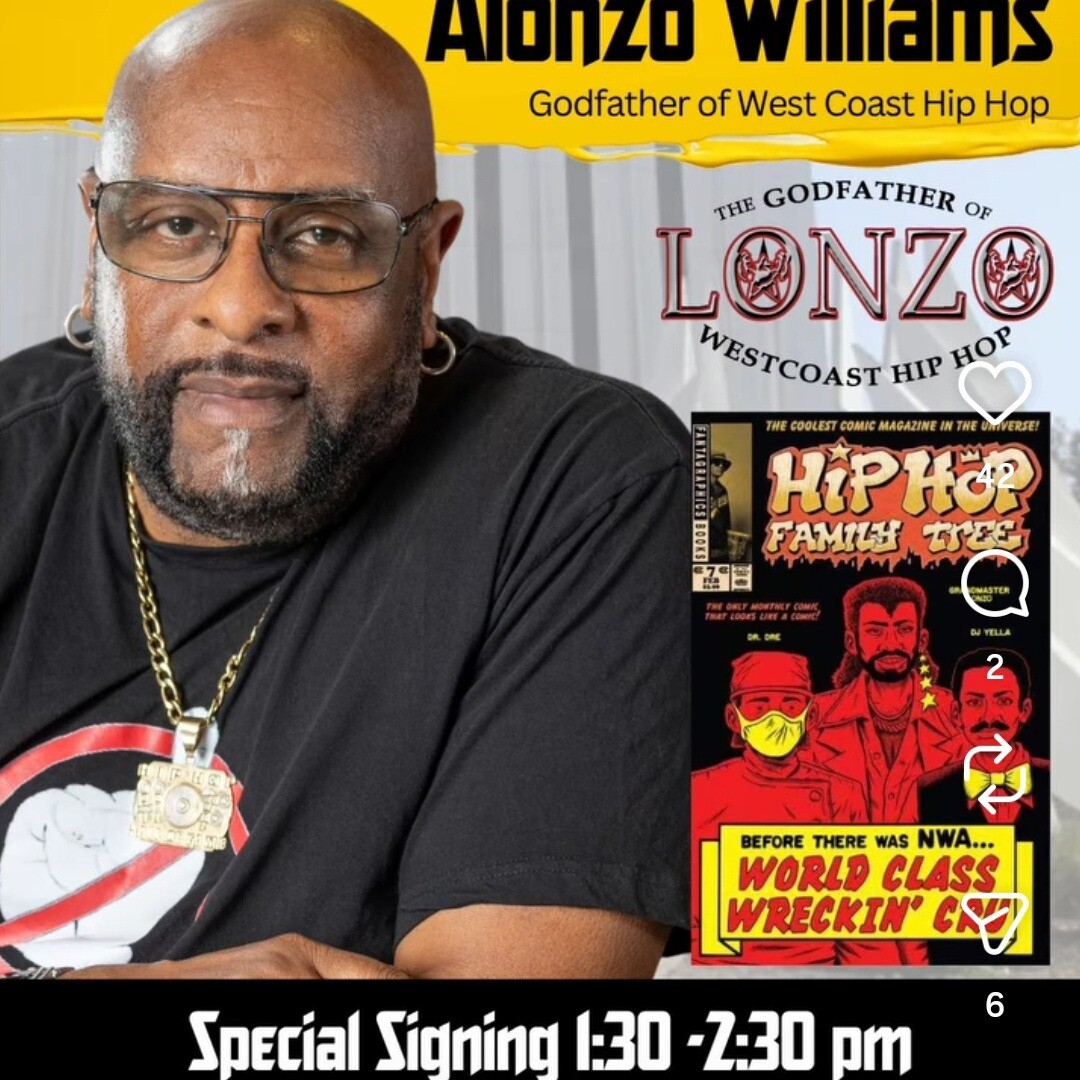
The cultural lineage connecting Compton’s musical resistance to graphic literature takes center stage with a living legend: Alonzo “Lonzo” Williams, the undisputed “Godfather of West Coast Hip-Hop”. As founder of the World Class Wreckin’ Cru and the historic Eve After Dark nightclub, Lonzo launched an era that carried the raw reality of South Los Angeles into the global consciousness, breaking open doors for Dr. Dre, Ice Cube, Eazy-E, and DJ Yella.
From 1:30 p.m. to 2:30 p.m., Lonzo will host a signing for the graphic history Hip Hop Family Tree at the Studio Skye-Tiger Comics booth. His presence cements an unmistakable truth: hip-hop and comic book art share the same DNA of urban resistance, visual graffiti, raw lyricism, and community survival.
Following Lonzo’s signing, the Mainstage convenes the expo’s keynote panel at 2:00 p.m., “From Compton to Comics,” featuring hometown and vanguard creators Ray-Anthony Height, Shayla Height (creator of What The Fuck Mama!), Marcus D. Newsome, Jamal Anansi, screen/comic writer Marc Bernardin, and author/showrunner Rodney Barnes. The panel explores how the reality of growing up Black in Compton shaped their work, and how they weaponized visual art to challenge institutional barriers.
Radical Animation and Uncompromising Visual Power
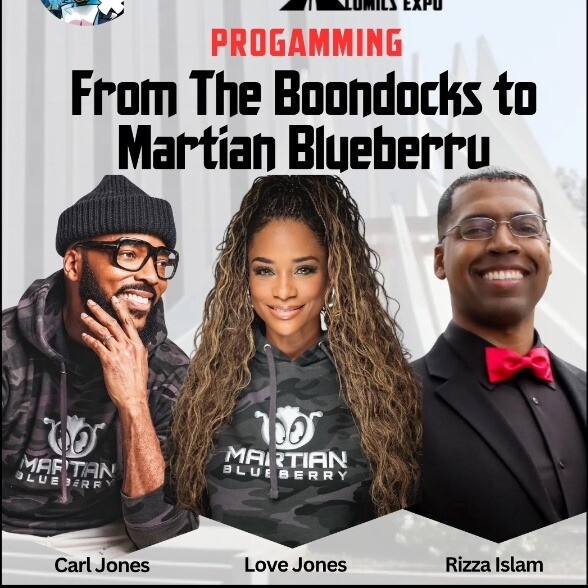
Corporate Hollywood has routinely diluted radical Black thought, but independent animation provides an uncompromising front of resistance. At 12:00 p.m., Panel Rooms A and B host “From The Boondocks to Martian Blueberry,” featuring Carl Jones (The Boondocks, Black Dynamite) and Martian Blueberry co-founder/award-winning producer Love Jones.
Carl and Love Jones will pull back the curtain on how Black creatives can navigate structural racism in the entertainment industry to build self-sustaining, disruptive animation studios. Attendees will also receive an exclusive sneak peek at Intellectual Power, a new animated project featuring partner and Compton native Rizza Islam.
Further equipping the next wave of Black illustrators, the afternoon offers technical masterclasses:
- Drawing Workshop: Western Comics vs. Manga/Anime (1:00 p.m., Panel Room A): Led by Nex Vierling of Studio Skye-Tiger, deconstructing visual techniques across genres for creators of all ages.
- Portfolio Reviews with Lee Kohse (2:00 p.m.): Inkpot Award-winning artist Lee Kohse (Star Wars, Aliens) providing direct creative development and industry feedback for local up-and-coming artists.
Building for the Next Generation: Free Access and Family Solidarity
In a climate where comic conventions have been priced out of reach for working-class Black families through exorbitant entrance fees, the Compton Comics Expo stands on radical accessibility by opening its doors for free.
The day’s schedule is intentionally crafted to honor our youth:
- Kids Cosplay Parade (12:00 p.m.): Hosted in partnership with Kids Can Cosplay, ensuring children up to age 15 can hit the Mainstage, celebrate their imagination without apology, and receive treat bags.
- Adult Cosplay Showcase (3:00 p.m.): Elevating grassroots Black craft, costume engineering, and design on the Mainstage.
- Community Grounds: Free all-day access to community resources, a food truck rally, an Artist Alley courtyard, and youth craft zones.
Event Details and Support Information
- Date & Time: Saturday, October 24, 2026 | 11:00 a.m. – 5:00 p.m. (VIP doors open at 10:00 a.m.)
- Location: Compton College, 1111 East Artesia Blvd., Compton, CA 90221. Free parking is open while spaces last.
- Admission: FREE to the public. The first 400 attendees to enter Artist Alley when doors open at 11:00 a.m. will receive an expo swag bag.
- VIP Access: $25 (limited to 100 passes via PayPal or Venmo), which includes 10:00 a.m. early bird floor access, guaranteed swag bag, and official expo merchandise discounts. Up to two children aged 8 and under are admitted free with a paying adult.
To support the movement, register as a volunteer, or inquire about press access, reach out to organizers at comptoncomicsexpo@gmail.com or connect with Compton Comics Expo online.