


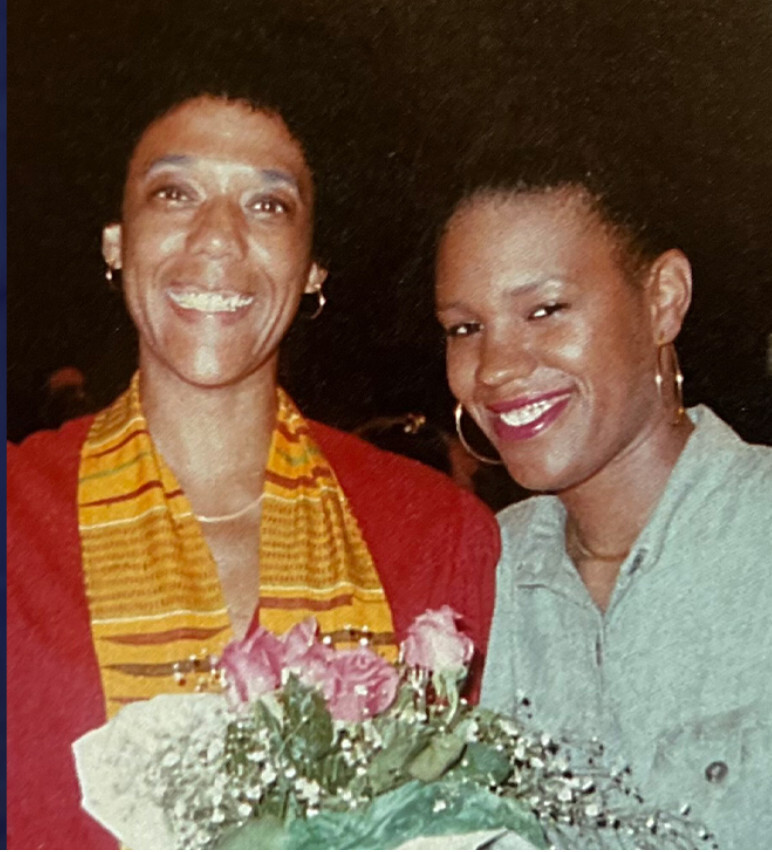
After an inheritance ruling and an October lockout, the former student of Dr. Laura Dean Head seeks an independent investigation and a halt to any sale. Court records show a sharply contested account of influence and intent.
By Tabari Morris
Zakiya Jendayi says she has removed most of her belongings from the home she occupied for 13 years after sheriff’s deputies took possession of the property, leaving her to fight for its return while seeking an independent investigation into the probate case that invalidated her longtime friend’s trust.
In an Oct. 23 interview with the SF Bay View, Jendayi said she received three days to clear out the house following an Oct. 1 arrest and lockout. Some belongings remain inside, she said. Her immediate goal is to prevent a sale while she challenges the outcome of a case that pitted her against the sisters of Dr. Laura Dean Head, her former professor and mentor.
“I’m no longer in possession of my home that I legally inherited,” Jendayi said. “However, I’m still fighting to get my property returned to me.”
The legal ownership claim remains disputed. Alameda County Superior Court Judge Sandra K. Bean invalidated Head’s living trust in March 2023 after finding undue influence, although she found Head had capacity to execute it and found no credible evidence of forgery. The First District Court of Appeal affirmed the judgment in 2024. The U.S. Supreme Court denied review on Oct. 6, 2025.
Jendayi says she is pursuing another appeal after asking the lower court to void its decision. A court case-summary screenshot supplied for this article identifies a separate First District appeal, A176883, filed May 19, 2026, and linked to the original trust proceeding. That summary does not identify the order being appealed or establish that enforcement of the earlier judgment has been suspended.
The SF Bay View contacted the court for comment. No response had been received by print deadline.
For Jendayi, the fight is about more than the value of a house. It concerns the wishes of a Black educator she credits with shaping her education, identity and sense of responsibility to her community—and whether the legal record fairly reflects that relationship.
The two met at San Francisco State University in 1985. Jendayi described Head as her professor, academic adviser, mentor, sorority sister and friend over 28 years. Their relationship appears in the appellate record through photographs, cards, recommendation letters and testimony from a former student who recalled seeing them together at public events over many years.
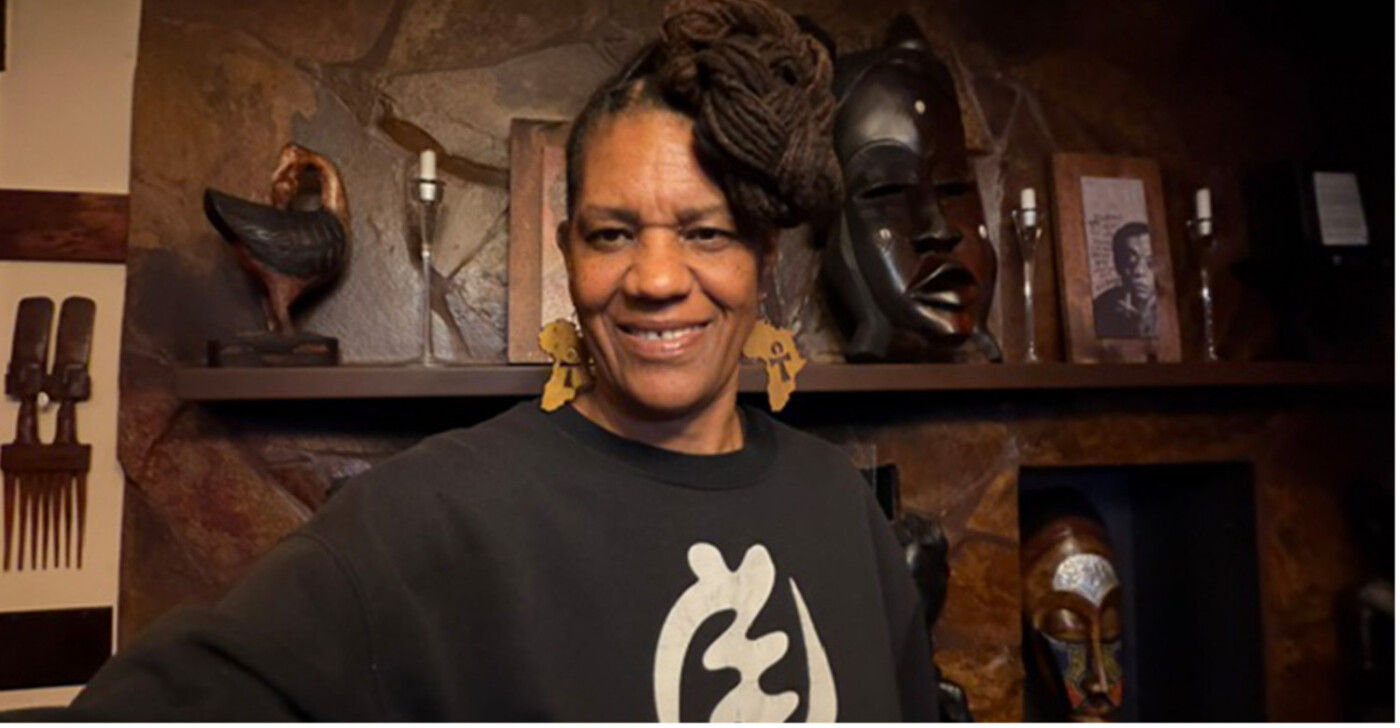
“I wouldn’t be the woman I am today without my grandmother, my mama and Dr. Head,” Jendayi said.
In 2013, Head became terminally ill and entered hospice care at Jendayi’s apartment. She signed the trust in a hospital room on June 5 and died June 19 at age 64, according to the appellate opinion. The trust directed that its assets go to Jendayi if she survived Head, with Jendayi’s mother and then the United Negro College Fund designated as contingent recipients.
The document also expressly disinherited people claiming to be Head’s heirs at law. Jendayi maintains that Head intentionally excluded her sisters, Della Hamlin and Helaine Head, and independently selected her as the beneficiary.
The sisters filed their challenge on May 18, 2020, alleging undue influence, lack of capacity and forgery. The appellate record places that filing about two months after Jendayi sought distribution rights involving the estate of the sisters’ deceased mother, claiming additional property for Head’s trust.
Accounts of the family relationships divided. Jendayi said Head was estranged from her sisters throughout their friendship. The appellate opinion describes a hospital record in which Head reported estrangement and did not want family contacted. It also recounts conflicting testimony: Hamlin acknowledged seeing Head very rarely, while Helaine denied estrangement and said they remained close.
The dispute reached a trial in 2022 at which Jendayi represented herself. Bean’s final statement of decision, filed March 28, 2023, said the evidence concerning capacity was “inconclusive” and therefore found Head had capacity. It also found Head signed the trust and that there was “no credible evidence of forgery.”
Those findings did not resolve the separate question of undue influence. The court had determined that the sisters established a presumption of undue influence, shifting the burden to Jendayi to show that the trust was not its product. Bean found she had not met that burden.
The judge cited Head’s serious illness and dependency, Jendayi’s apparent authority, her role in contacting the drafting attorney and completing intake paperwork, and the benefit she would receive. The decision ordered trust assets transferred to Phillip Campbell in his capacity as special administrator of Head’s estate. It did not award the assets to Campbell for his personal ownership.
Jendayi disputes both the underlying inferences and how the court characterized their relationship. She says she acted on Head’s instructions, helped arrange professional services and supported decisions that Head made herself.
Her challenge focuses particularly on the drafting attorney, Elaine Lee. The appellate opinion acknowledges Lee’s testimony that she met with Head alone behind closed doors, that Head wanted Jendayi to receive the estate and that Head confirmed nothing should go to her sisters. Lee believed Head acted freely.
But the appellate court also identified evidence supporting the contrary finding. Lee prepared a rough draft before first meeting Head and recalled no major changes afterward. The justices concluded that the trial court could infer that Jendayi had supplied the direction to name herself beneficiary. Jendayi rejects that inference.
The reviewing court emphasized that it was not retrying the case or reassessing witness credibility. It reviewed factual findings for substantial evidence, drawing reasonable inferences in favor of the judgment. It rejected Jendayi’s judicial-bias arguments and found deficiencies in the statement of decision harmless.
Jendayi has assembled a 50-page rebuttal that pairs disputed findings with excerpts attributed to trial transcripts and exhibits. Among them are testimony about Head making her own decisions, the presence of paid caregivers and language in a power of attorney making its authority conditional on a physician’s finding of incapacity.
She says 35 findings are false, six misleading and one erroneous. That is her assessment and based on her supplied excerpts identify evidence supporting her position, but do not by themselves establish that the judgment was fraudulent.
“It’s not my word against Judge Bean’s word,” Jendayi said. “It’s their word against the trial transcripts.”
The sisters’ attorney, Daniel Leahy, presents a different account on his firm’s website. He characterizes the case as the diversion of a family inheritance through undue influence and says the litigation uncovered evidence supporting his clients. That statement is a public description of his position, not as a response to our Bay View interview.
The case also produced a published ruling about who can challenge a trust. Jendayi warns that it threatens Californians who believe their estate plans will be respected, including those whose trusts become irrevocable.
The published holding is narrower than a declaration that trusts can now be overturned for the first time. It says disinherited intestate heirs—people who could inherit under the law without a valid controlling estate plan—had standing to bring this challenge. The opinion relied on existing probate law and earlier decisions. Standing allowed the sisters to litigate; it did not automatically entitle them to prevail. The court’s undue-influence analysis appeared in the unpublished portion.
The practical consequences arrived at Jendayi’s door this month. She said she went to the courthouse Oct. 1 to seek a stay and was arrested before she could obtain the relief she sought. While she was detained at Santa Rita Jail, she said, the house was boarded up. Tanya Dennis’ October reporting for the Oakland Post, republished by BlackPressUSA, also describes the arrest and simultaneous change of locks. The current disposition of any arrest-related charges was not established for this article.
By Oct. 15, Jendayi had told the Bay View she was moving her belongings. During the interview, she described clearing a house, garage, attics and crawl space under a deadline she said was impossible to meet completely. She estimated that the legal fight has cost her more than $100,000; that figure has not been independently audited.
Her petition seeks independent scrutiny from Attorney General Rob Bonta, Alameda County prosecutors and U.S. Rep. Lateefah Simon. Jendayi reported 908 signatures during the Oct. 23 interview, toward a goal of at least 1,000. That was her count at the time of her print-day total. A request for an investigation does not establish that one has been opened.
She has directed readers to protectyourtrust.org, where she has posted records and her analysis. As she continues seeking a way back into the house, she wants the relationship behind the disputed trust to remain part of the public record.
“I didn’t unduly influence Dr. Head,” Jendayi said. “Dr. Head strongly influenced me.”