


by JR Valrey
Will the Blue Wave taking over the country after this recent election cycle save captives at immigration concentration camps from being deported or held indefinitely?
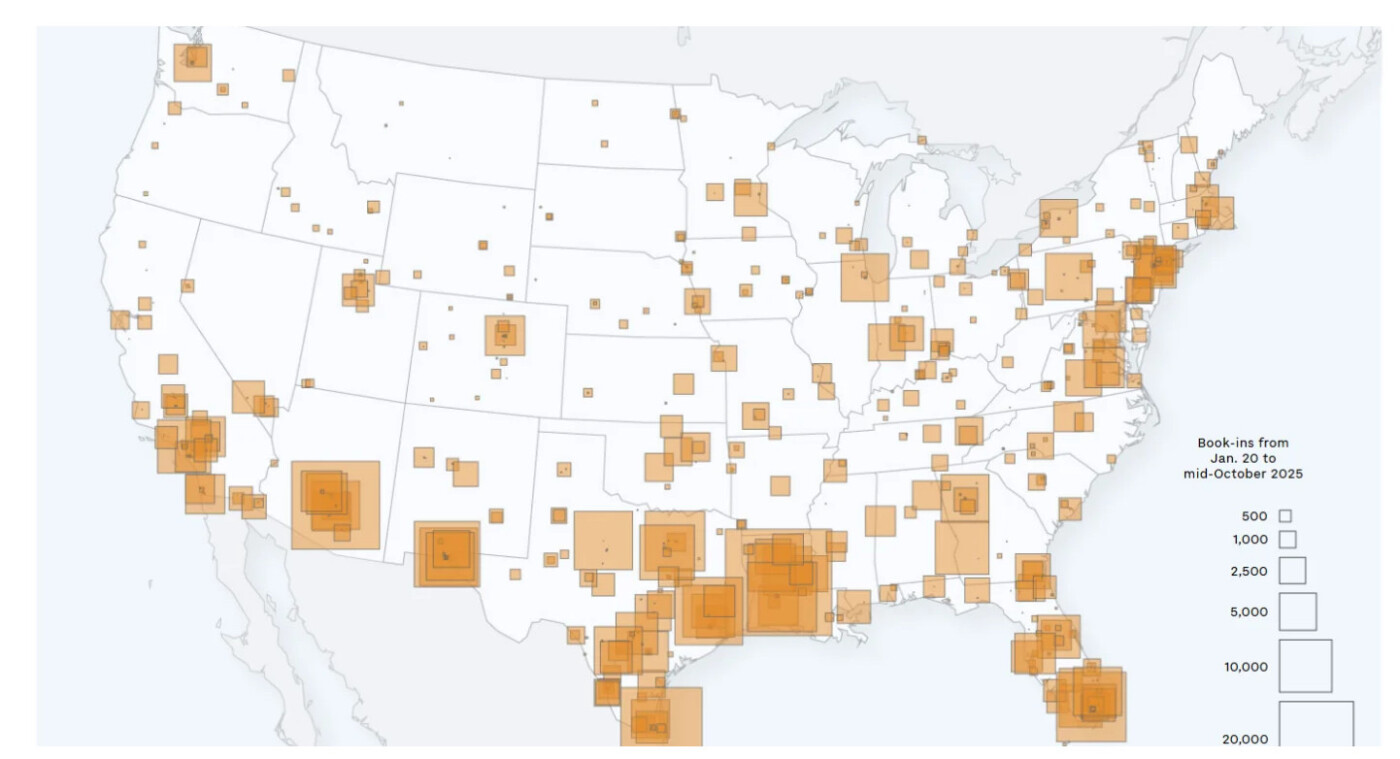
Approximately a year ago, there was a major media circus around Oakland Mayor Barbara Lee “pledging” wholeheartedly to fight against ICE agents setting up a base on Coast Guard Island, which is connected to Oakland.
Days after her re-election, ICE agents have been swarming the streets of Oakland taking people captive while voters of color congratulate themselves for “creating a blue wave.”
Immigrants being picked up off the streets by unidentifiable masked men and held indefinitely in immigration concentration camps can clearly see through the fog of propaganda that no matter who wins, their conditions remain the same.
Whether we talk about the huge ICE budget, concentration camps, AI surveillance, police terrorism, lynchings of Black people in the U.S., forced deportations, genocide in Congo, Sudan, Haiti and Cuba, or local affordability, both parties represent the corporate class and not the working class, so there is hardly ever a time when the government puts resources into solving problems that affect average people.
In other words, we must create the solutions to the problems that we see. We cannot expect a political party or the government to look out for working-class Black communities.
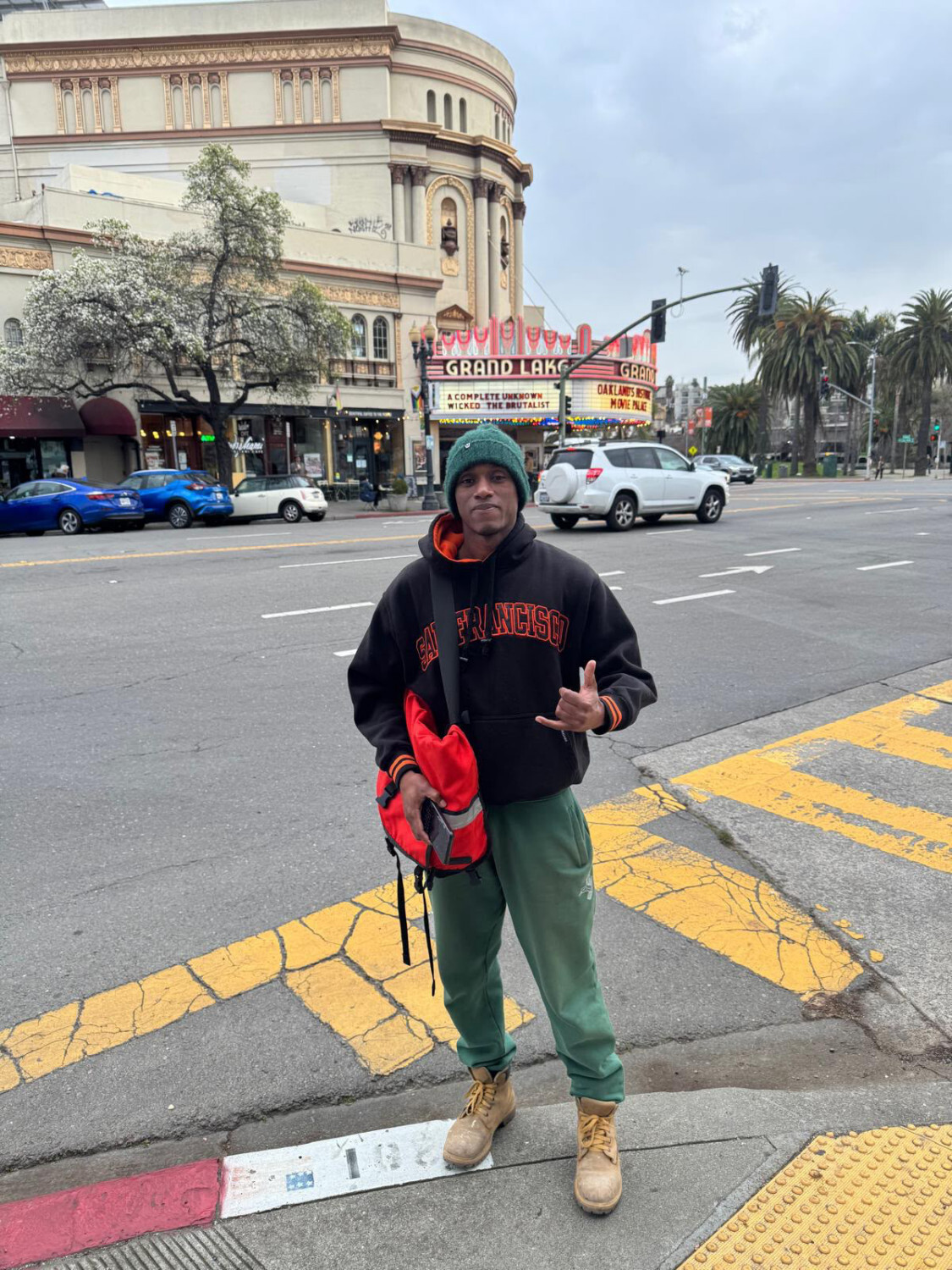
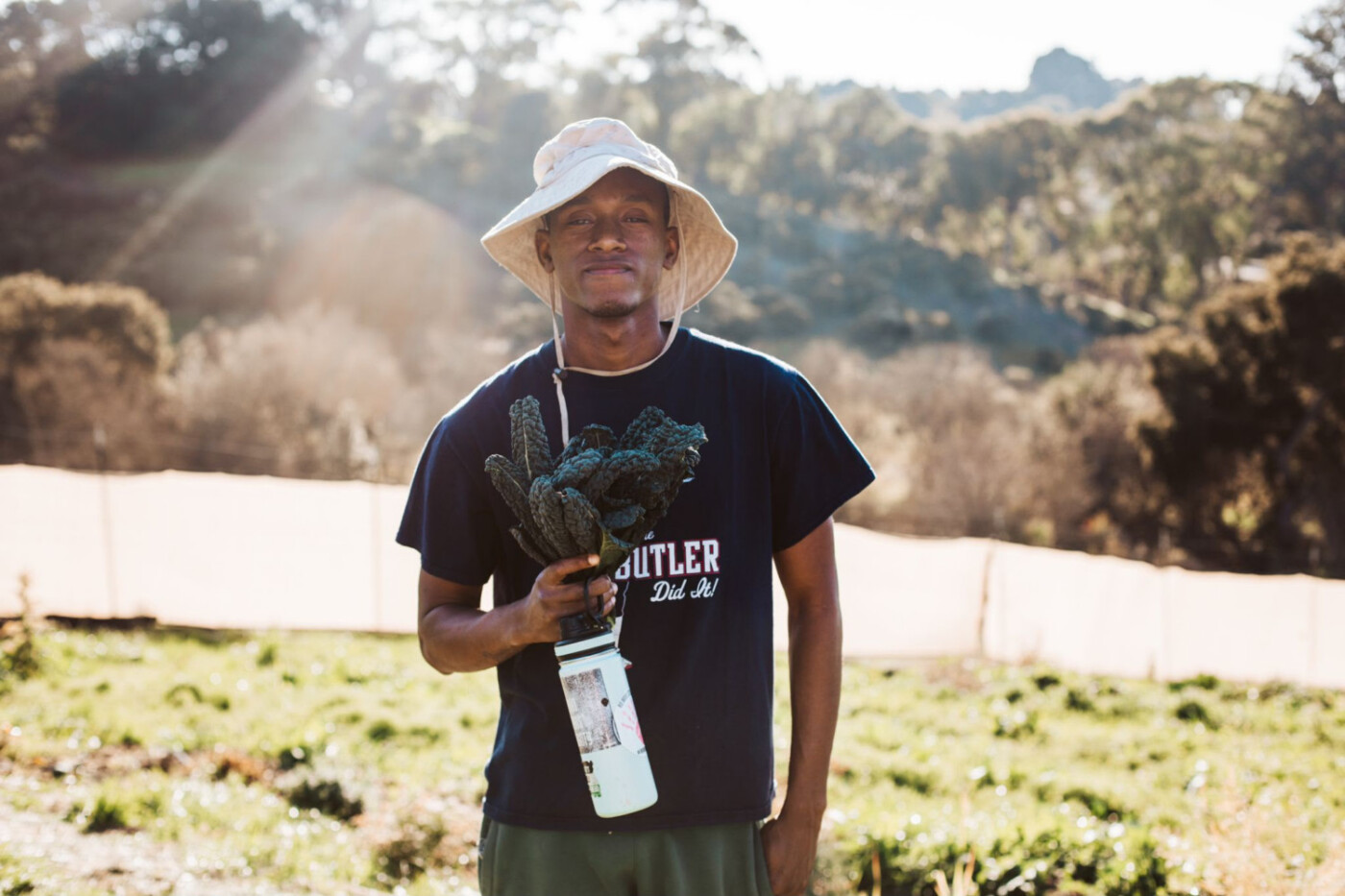
Leandro Oliveira Xavier, aka “Leo,” is a young Black musician who immigrated from Brazil to the Bay Area a few years ago. While going through the process to become a legal resident, he was arrested and held captive in an immigration concentration camp. Then, after almost a year, he was eventually freed in mid-September ’26. Many Black people don’t believe that immigration is a Black issue. This is an account of Leo’s traumatic modern-day American horror story.
JR Valrey: Can you tell people where you were when you were captured/arrested? What was that ordeal like?
Leandro Oliveira Xavier: My arrest was an extremely traumatic experience that is difficult to forget. At that moment, I was at 630 Sansome St., San Francisco, CA 94111 <https://www.google.com/maps/search/630+Sansome+Street,+San+Francisco,+CA+94111?entry=gmail&source=g>.
Everything happened in a way that left me deeply frightened, not knowing what would happen to me or how long I would be away from my community and my freedom.
Being taken into immigration custody is a life-changing experience. Suddenly, you lose control over your own routine, you don’t know what will happen the next day and you live in fear and uncertainty. It’s an experience that affects not only the body but also emotional and psychological health.
JR Valrey: Where and how long were you held captive? What is currently going on with your case?
Leandro Oliveira Xavier: I was taken to Bakersfield, Mesa Verde, where I remained for nine months.
During that time, I lived with the anguish of not knowing when I could regain my freedom and return home. Being deprived of liberty, far from the people we love and without knowing what will happen to our future is extremely painful.
Currently, I am at home. With regard to my immigration case, I have been granted asylum. My freedom does not erase what I have lived through, nor does it mean that my struggle is over.
JR Valrey: What kind of conditions were you held in?
Leandro Oliveira Xavier: The conditions inside the detention center were horrific.
One of the hardest parts of this experience was dealing with the loss of freedom, the lack of privacy and the constant uncertainty. The emotional state of those detained also needs to be considered. Many people are separated from their children, partners, parents and family members without knowing when they will be reunited.
We need to remember that, regardless of someone’s immigration status, we are talking about human beings who deserve respect, dignity, adequate food, medical care and humane treatment.
JR Valrey: Many people in the U.S. think that immigration is an issue that does not affect Black people. Can you talk about the number of Black immigrants that you met in the immigration concentration camp?
Leandro Oliveira Xavier: This is one of the most important issues I would like to highlight in this interview.
Immigration is also a Black issue. Inside the detention center, I met several Black people of different nationalities and backgrounds. There were people from Haiti, Guatemala, Honduras and Mexico.
Many people in the Black American community don’t realize how many Black immigrants are experiencing this reality. There are Africans, Haitians, Brazilians, Caribbeans and people from many other countries facing the immigration detention system.
The experience of being Black and an immigrant can bring a double vulnerability: the racism that already exists in society and the difficulties faced by those who do not have citizenship or permanent residency.
We need to broaden this conversation and recognize that the struggle of Black immigrants is also part of the broader struggle of the Black population for justice and equality.
JR Valrey: What is the one thing that you want Black people in this country to know most about how immigrants are being treated in these concentration camps?
Leandro Oliveira Xavier: I would like the Black community in the United States to understand that this also concerns them.
The history of the Black population in this country is marked by struggles against segregation, dehumanization, the separation of families and the denial of rights. Therefore, I believe there is a very important connection between the historical struggle of the Black American population and the struggle of Black immigrants.
We cannot allow someone’s origin, language, country of birth or immigration status to be used to strip them of their humanity.
People need to know that behind every detention number, there is a human being, a family, a story and interrupted dreams.
I am not asking people to agree with all immigration policies or to share the same history. I am asking them not to remain indifferent to human suffering.
Black solidarity needs to transcend borders. The pain of a Black immigrant cannot be invisible.
JR Valrey: How can people help you? How can people get more information online?
Leandro Oliveira Xavier: People can help by sharing my story, raising awareness of what happens inside immigration detention centers and supporting organizations that defend immigrants’ rights.
It is also important for the community to seek information, participate in solidarity initiatives and pressure political representatives for more humane immigration policies. Please follow my supporters, Community Movement Builders’ Oakland chapter (@cmb_oakland), ACUDIR – Alameda Community United in Defense of Immigrant Rights (@acudir_alamedacounty) and Interfaith Movement for Human Integrity (@im4humanintegrity).
Unfortunately, I am still unable to legally work. I would appreciate additional donations to support me in being able to sustain myself until I receive a legal work permit.
Those who wish to support can contribute to my GoFundMe (https://www.gofundme.com/f/free-leo-from-ice-detention) and follow me on social media (@leandro.oliiveeira).
Above all, I ask that people not forget the men and women who remain detained. My freedom is a reason for gratitude, but there are many other people who are still waiting for an opportunity to return to their families.
My final message is simple: Immigration is also a Black issue. Our humanity does not depend on a passport, nationality or immigration status. We all deserve dignity, respect, freedom and justice.
JR Valrey is a veteran journalist and Editor in Chief at the San Francisco Bay View. He can be reached at JR@sfbayview.com