



by JR Valrey
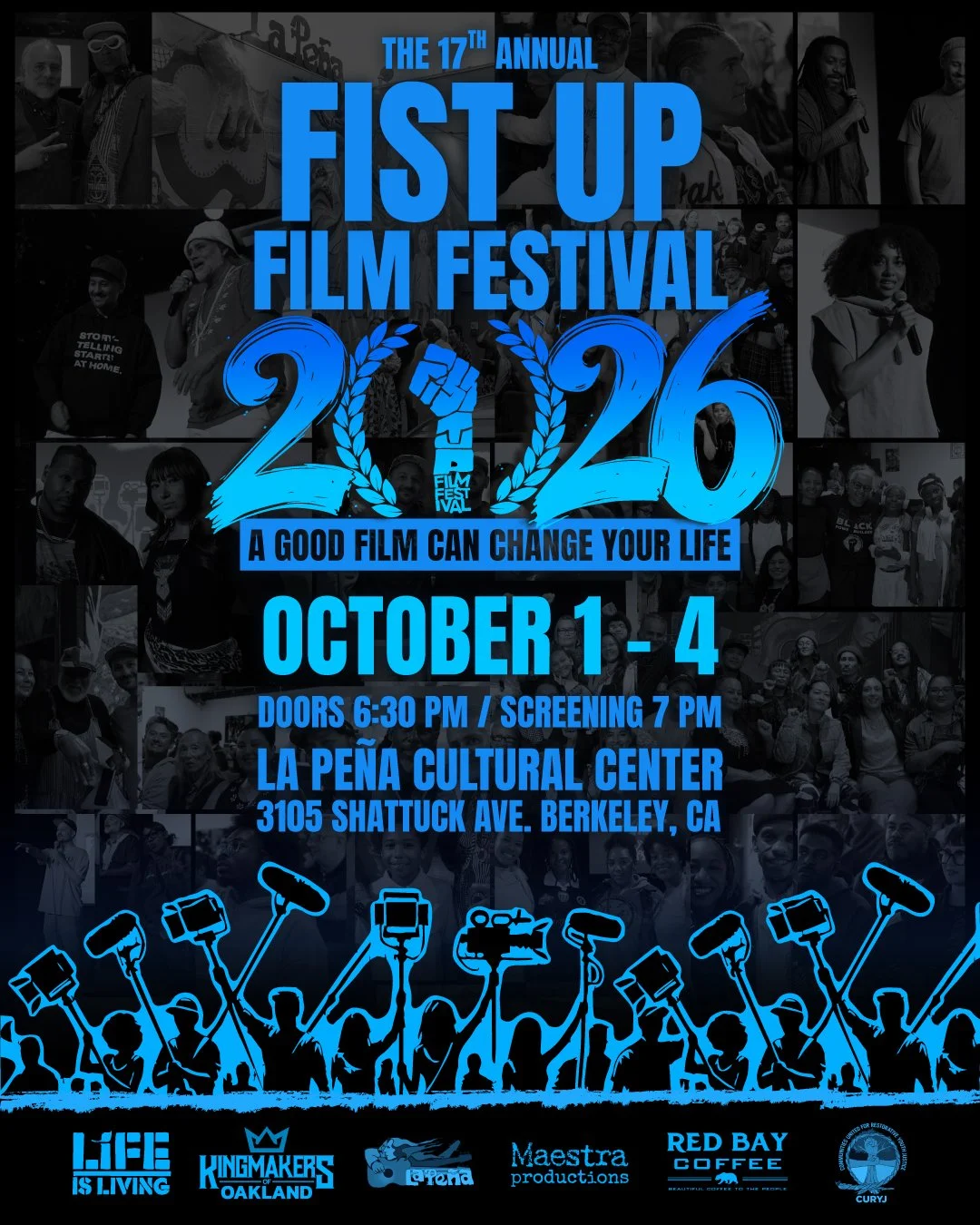
One of the dopest events of the year in the Bay is the 17th annual Fist Up Film Festival, which runs from Oct. 1 to Oct. 4, profiling international films that deal with themes surrounding struggle, resistance, self-determination, love, art, migration and more.
The man behind the magic is Berkeley-based international filmmaker and cinematic giant Eli Jacobs Fauntauzzi, who, with the support of his brother Khalil, has created inspiring films in culturally rich and politically charged places like Ghana, Cuba, Colombia, Puerto Rico and more.
The Fist Up Film Festival is known for bringing rare international cinematic gems to the Bay that deserve to be seen and pondered upon. Bring your family and friends to the festival because it is a great example of political and cultural edutainment. Check out Eli in his own words.
JR Valrey: When and how did the Fist Up Film Festival begin? How did you choose the name?
Eli: The Fist Up Film Festival began out of my experience as a filmmaker. After our film Inventos: Hip Hop Cubano, we wanted to submit the film to festivals and we quickly discovered that the traditional festival system is expensive and extractive. I also felt that many festivals weren’t sufficiently connected to the communities whose stories were being presented. So we decided to flip it and create a festival for filmmakers like us.
The idea was simple and based on two core ideas: A good film can change your life and some films are made to be discussed.
From the beginning, the Fist Up Film Festival was conceived as a community-based, accessible film festival, with free submissions for filmmakers and free admission for the community (powered by people’s donations). Rather than simply screening films, the festival was designed to create spaces where people could watch, discuss, connect and be inspired to take action.
The programming grew around films that center underrepresented communities, cultural identity, social justice and community empowerment. A key philosophy emerged: Films shouldn’t just tell people about communities — they could help create relationships with communities. That original impulse has remained remarkably consistent. Today, we describe our mission as creating spaces where communities can engage with and learn from one another, connect global stories to local issues and experiences and become inspired to take action. We are blessed to say that this is our 17th annual festival and our community keeps getting bigger and stronger.
Our name comes first from our production company, Clenched Fist Productions. When I wanted to create short-form content, I created FistUpTv. This year, we launched an umbrella organization for all of our non-extractive storytelling work called FistUp. For me, the fist represents something that I believe in deeply, and that’s people power. I have always been inspired by pan-African, anti-colonial, anti-fascist and anti-apartheid movements and, of course, the Black Power movement and every movement fighting for liberation worldwide.
JR Valrey: What films are selected for this year?
Eli: You don’t want to miss the films this year. We have a lineup full of life-changing documentaries.
Oct. 1, Thursday — Culture Keepers (a night of short films)
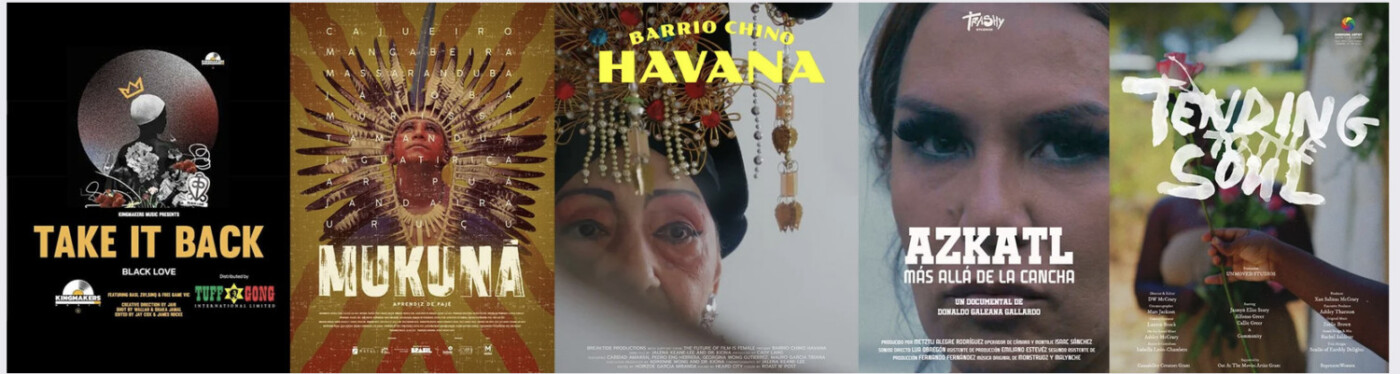
From the Kingmakers in Oakland to Barrio Chino in Havana to the Amazon in Brazil, these short films remind us of the importance of culture keepers.
Oct. 2, Friday — Let the City Speak — Follows the journey of Quetzal, a Chicano rock band that emerged from East Los Angeles.
Post-screening conversation with Director Akira Boch.
Oct. 3, Saturday — Mujer Mariposa — Follows three first-generation daughters of migrant and refugee women as they navigate the complexities of building a home in the United States.
Post-screening conversation with Director/Producer Diana Cervera and Cinematographer/Editor Magdalena Ramirez.
Oct. 4, Sunday — Honoring Our Ancestors (short films about Caribbean resistance)
Mataron A Pedro, about the revolutionary Pedro Albizu Campos from Puerto Rico; Beach Inna Bondage: The Fight for Jamaica’s Coastline; and Call of the Jab from Granada, with a post-screening conversation with director Fletch Power.
JR Valrey: How and why did you select those films?
Eli: We believe that documentary films don’t need to just show the problems of the world and make us feel helpless. Documentary films can show our power and our creativity, they can share solutions to the problems we face and they can leave people inspired and ready to take action to make this world a better place. That’s how we select our films.
JR Valrey: Do you have any filmmakers coming? Where are they coming from?
Eli: This year, we are proud to welcome filmmakers representing communities from the Bay Area and beyond, including Fletch Power representing Grenada, Akira Boch from Los Angeles, and Diana Cervera and Magdalena Ramirez, two Transborder Chicana artists rooted in the San Diego–Tijuana borderlands.
What makes Fist Up Film Festival unique is that we don’t just bring filmmakers to share their work. We also bring local grassroots organizations and organizers who are actively working on the same issues explored in the films. The conversation doesn’t end when the credits roll. Audiences have the opportunity to connect directly with people doing the work here in our communities, learn how to get involved and turn inspiration into action.
JR Valrey: What do you want people to get out of the film festival?
Eli: I want people to see reflections of themselves, with the possibility of healing, building community, feeling loved and seen. I want people to learn and want to learn more. I want people to feel their own power and beauty. We will experience storytelling that can build relationships, spark dialogue and become a catalyst for community action. Together, we will leave inspired to imagine and create a more just world.
JR Valrey: How can people get more info?
Eli: Web: www.fistup.tv/festival
IG: @FistupFilmFestival
JR Valrey is a veteran journalist and Editor in Chief at the San Francisco Bay View. He can be reached at JR@sfbayview.com