




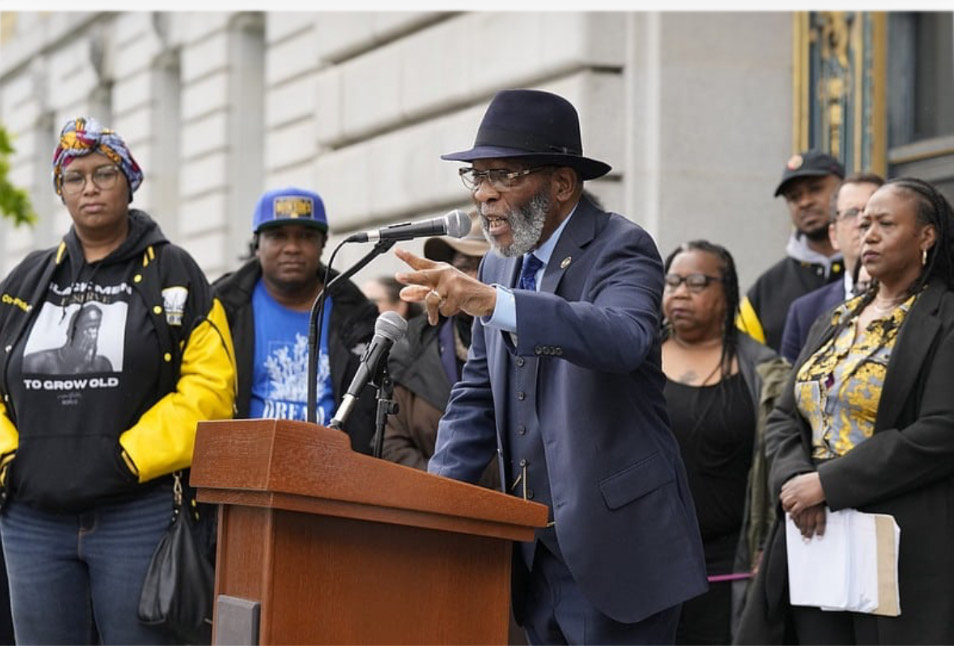
By: Kevin Epps
As 2025 draws to a close, San Francisco has made a significant move on the long-discussed issue of reparations for Black residents, establishing a dedicated Reparations Fund to address centuries of systemic discrimination and its ongoing impacts. On December 16, 2025, the Board of Supervisors unanimously approved an ordinance creating the fund, which Mayor Daniel Lurie signed into law on December 23. This development marks a shift “from apology to action,” as Supervisor Shamann Walton, the ordinance’s author, described it—a framework to channel resources toward repairing harms inflicted on the city’s Black community.
The fund, administered by the San Francisco Human Rights Commission, is designed to accept contributions from private donations, foundations, corporations, and potential future city appropriations. Importantly, no initial taxpayer money has been allocated, amid the city’s $1 billion budget deficit. This approach avoids immediate financial strain on residents while setting up a structure to implement recommendations from the 2023 African American Reparations Advisory Committee (AARAC) report, which outlined over 100 proposals to address disparities in health, education, housing, economic opportunity, and community displacement.
The AARAC’s ambitious 2023 recommendations included ideas like lump-sum payments (once proposed at up to $5 million per eligible Black adult), debt relief, guaranteed income supplements, and affordable housing initiatives. However, the new fund does not mandate or fund these specifics outright; any distributions would require further criteria, approvals, and secured resources. Critics have highlighted the $5 million figure as eye-popping and potentially unfeasible, while supporters see the fund as a pragmatic starting point for meaningful repair.
Rev. Dr. Amos C. Brown’s Influence
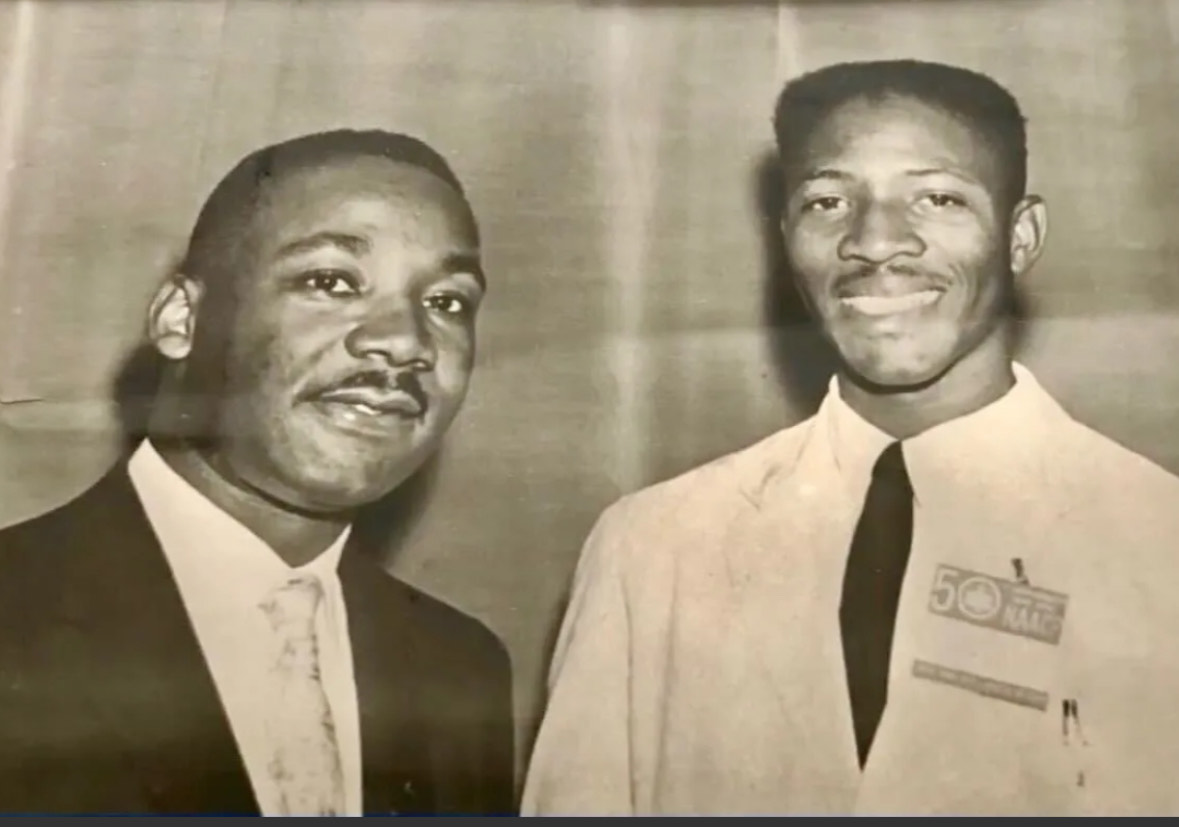
This effort builds on years of advocacy, including the NAACP’s 2019 national resolution calling for reparations studies at local levels. In San Francisco, that led to the creation of a reparations task force, on which civil rights icon Rev. Dr. Amos C. Brown served prominently. Rev. Brown, pastor emeritus of Third Baptist Church, past president of the San Francisco NAACP branch, and a veteran of the civil rights movement who studied under Dr. Martin Luther King Jr., has been a steadfast voice on this issue.
In an exclusive interview, Rev. Brown shared his insights: “The NAACP, under national leadership in 2019, unanimously adopted a resolution calling for reparations for the historical harm perpetrated against Black people—from the Atlantic slave trade, enslavement in America, to wrongs in education, economic opportunities, health, and community displacement, like the Fillmore, once known as the Harlem of the West.”
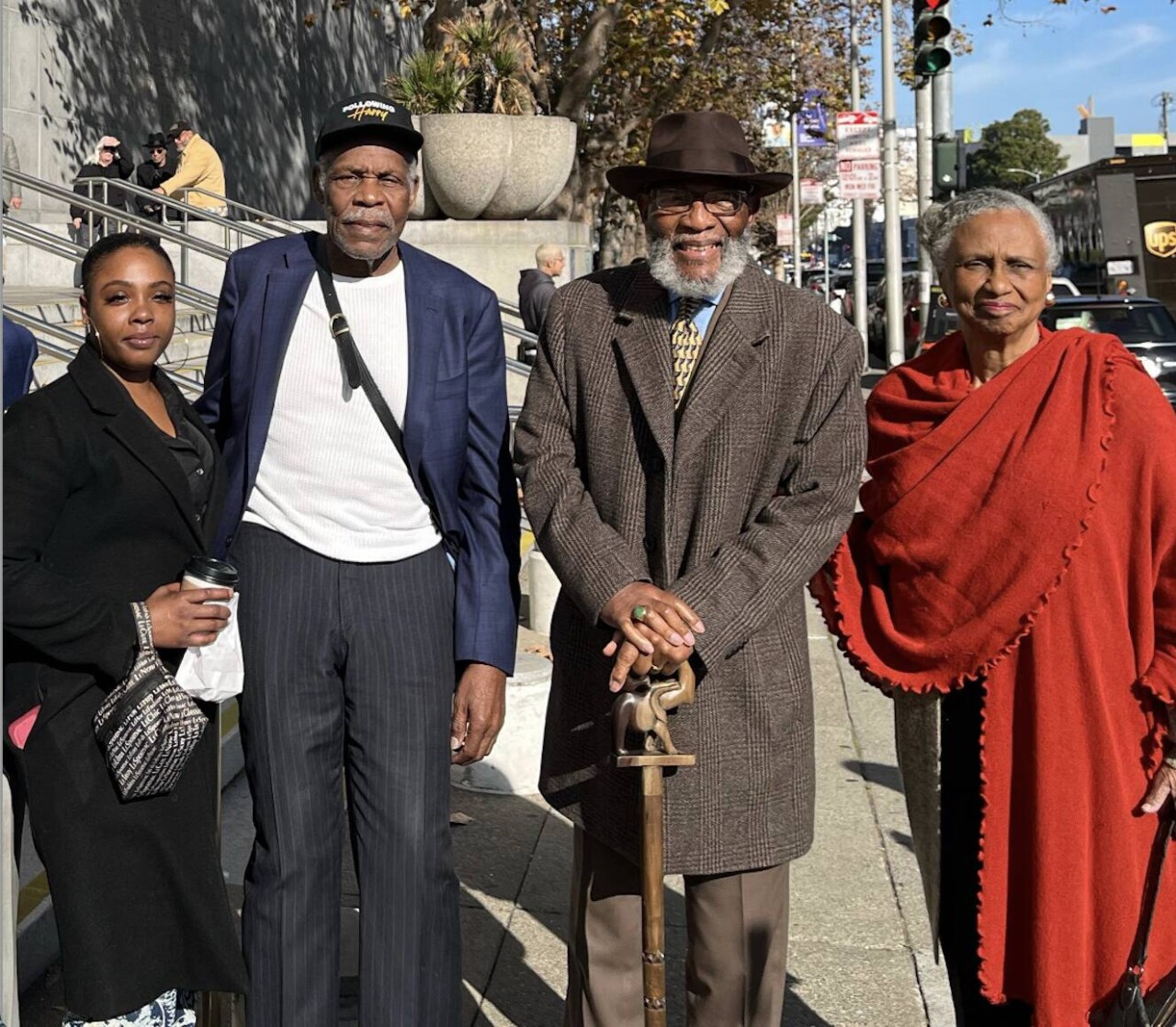
He recounted how the San Francisco NAACP presented this to the Board of Supervisors, leading Supervisor Shamann Walton (the board’s only Black member at the time) to introduce legislation for a task force. Rev. Brown served on it, contributing to 101 recommendations focused on programmatic efforts: revitalizing historic Black neighborhoods, investing in health and education, economic empowerment, and restoring cultural hubs.
Rev. Brown emphasized caution on direct cash payouts: “I had always avoided that trap, knowing this nation, state, and city wouldn’t commit large sums to individuals based on politics and past failed efforts.” He advocated instead for targeted programs, such as revitalizing the Fillmore Heritage Center for Black businesses, cultural activities, and a jazz club. “It remains to be seen what will happen,” he noted, but stressed ongoing conversations with city leaders to prioritize community restoration.
Rev. Brown’s perspective underscores that reparations are not about quick payouts but sustained investment in equity. “Everything starts with a realistic conversation,” he said, pointing to historical harms that continue to affect Black San Franciscans today—from redlining and urban renewal that displaced thriving communities to disparities in wealth, health, and opportunity.
Reparations Move Forward
This fund represents a start in the right direction for many advocates, acknowledging that Black Americans have borne disproportionate burdens from policies rooted in slavery and discrimination. While some view it as divisive or burdensome—especially given no immediate taxpayer funding—proponents argue it’s a moral imperative, especially in a city enriched by diverse contributions yet marked by stark inequalities.
As San Francisco navigates implementation, the fund could inspire broader national dialogue. With private philanthropy invited to step up, alongside potential public support, it offers a pathway to tangible repair. For Black residents who have endured generational harm, this is more than symbolism—it’s a commitment to justice long overdue.
Rev. Dr. Amos C. Brown reminds us: True progress demands admitting wrongs, atoning, and taking action. San Francisco’s Reparations Fund is a step toward that reckoning.
Kevin Epps is a Dad, award-winning filmmaker, community activist, author, executive editor of the SF Bay View “National Black Newspaper” and a board member for the SF Bay View Foundation. Reach him at kevin@sfbayview.com or on Instagram: kevinepps1.
