



You don’t need a different brain. You need to meet the one you have.
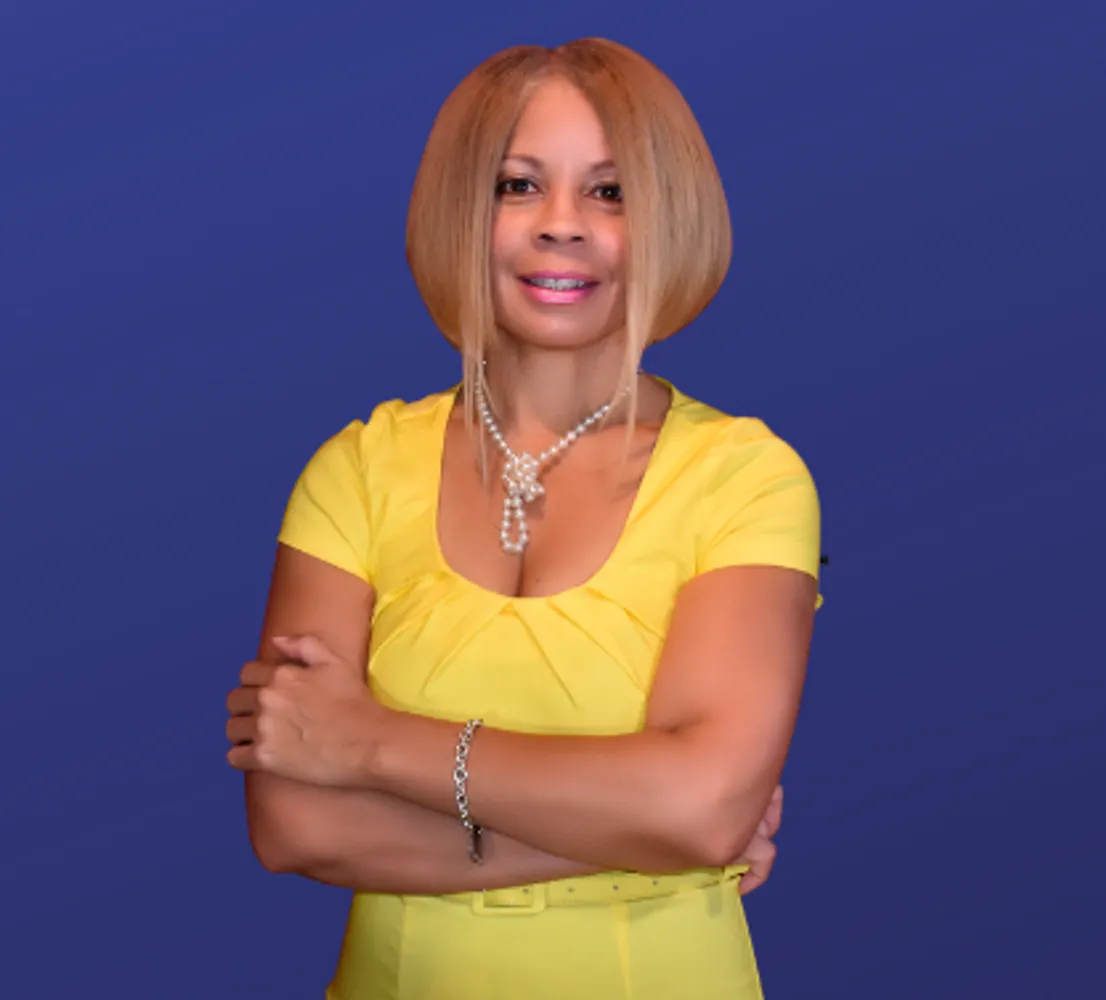
by Dr. Marie Roberts De La Parra
A middle-school classroom. A young girl sits at her desk, talking through ideas as she tries to understand the lesson. She hears, “You have an afternoon tea party.” This is what her teacher called detention. To her teacher, her talking was the cause of disruption. To the girl, this was the expected happening, being misunderstood.
She wasn’t disrupting. She was thinking — stitching ideas together in the only way her mind knew how. No one in the room recognized it as learning.
What she needed in that moment wasn’t discipline or redirection. She needed the language to understand her mind to self-advocate for her learning method. She needed someone who could see the meaning behind the method used. Herself. When her progress report was given with her first “F,” explained only as “talks too much in class,” she abandoned the one method that had helped her understand — a practice she would later recognize in adulthood as intuitive self-explaining. She forced herself to keep quiet. Her mind did not.
Many readers know this moment. They might remember it in themselves, in their children, a classmate, or in the students they teach. It is a story that is too common yet gets bypassed. There are so few of us who are taught how our mind organizes information. Mandated classroom designs rarely make room for the invisible internal mechanisms of thinking — the place where labeling can begin, and where self-explanation never has a chance to exist. This was the case for this student.
Years later, the young girl from that classroom — now Dr. Marie Roberts De La Parra — uncovered the structured internal logic behind those early experiences. Her research into cognition and self-directedness led her to identify a self-decoding system-level architecture within human thought, work that became the foundation of Cognitive System Literacy™. It is a governing science that clarifies how individuals generate meaning long before their behavior is interpreted and misread from the outside.
From that discovery came the book she needed at eight: “PUZZLEyOU™ 30 Days of Learn How You Learn.” Visually rich and filled with self-learning prompts, it illuminates connection points through her hand-drawn brain puzzle design, showcasing how cognition operates independently. It gives middle schoolers the tools to capture how their thinking organizes, building the beginnings of a self-operational knowledge manual.
Each of its 30 days presents a cognitive map sequence revealing how patterns form for self-recognition, the unique individualized process, and how meaning takes shape. It offers an early glimpse of self-mastery. This matters now because today’s learning environment moves quickly and leaves little room to discover one’s internal pace.
At the developmental stage Jean Piaget described as crucial for identity formation, young people are still shaping the internal beliefs that determine who they are and what they can do. bell hooks once wrote that “education is the practice of freedom.”
Yet too many students experience the classroom as a thing to escape rather than a place for self-governance. Parents feel it too; one of the most searched questions on social media is, “How do I help my child learn at home?” “PUZZLEyOU™” offers a response. It’s a structured cognitive toolkit for self-observation, strategic thinking and problem-solving, built to help individuals design and self-develop repeatable, self-informed practices.
Her science strengthens the connection between children and the adults guiding them. And especially the connection with themselves; together, they go on a collaborative self-exploratory journey, whether you’re 9 or 90. Parents, teachers and homeschool facilitators gain clearer insight into how the learner in front of them self-investigates. The book becomes a shared space where communication deepens, confidence grows, self-intelligence heightens and self-leadership evolves.
Dr. Roberts De La Parra’s mission is simple: to ensure that every child understands the structure of their own learning language, rather than inheriting someone else’s interpretation of it. No child should grow up believing their learning method is flawed. The science behind this book provides what she lacked: a way to understand one’s mind early enough to self-shape identity through a self-investigative, enjoyable process on the road or the living room sofa.
As conversations about student learning evolve across homes, classrooms and communities, “PUZZLEyOU™” and “Cognitive System Literacy™” signal a shift from reacting to behavior to understanding the system behind it. In the end, it brings the focus back to the one place education rarely begins: the self.
Dr. Marie Roberts De La Parra describes herself as Chief Thought Officer, Self-Mastery Cognitive System Architect and Self-Leadership Educator. Contact her at marie@waitagreenminute.com and learn more at www.marierobertsdelaparra.com.