




by Tabari Morris
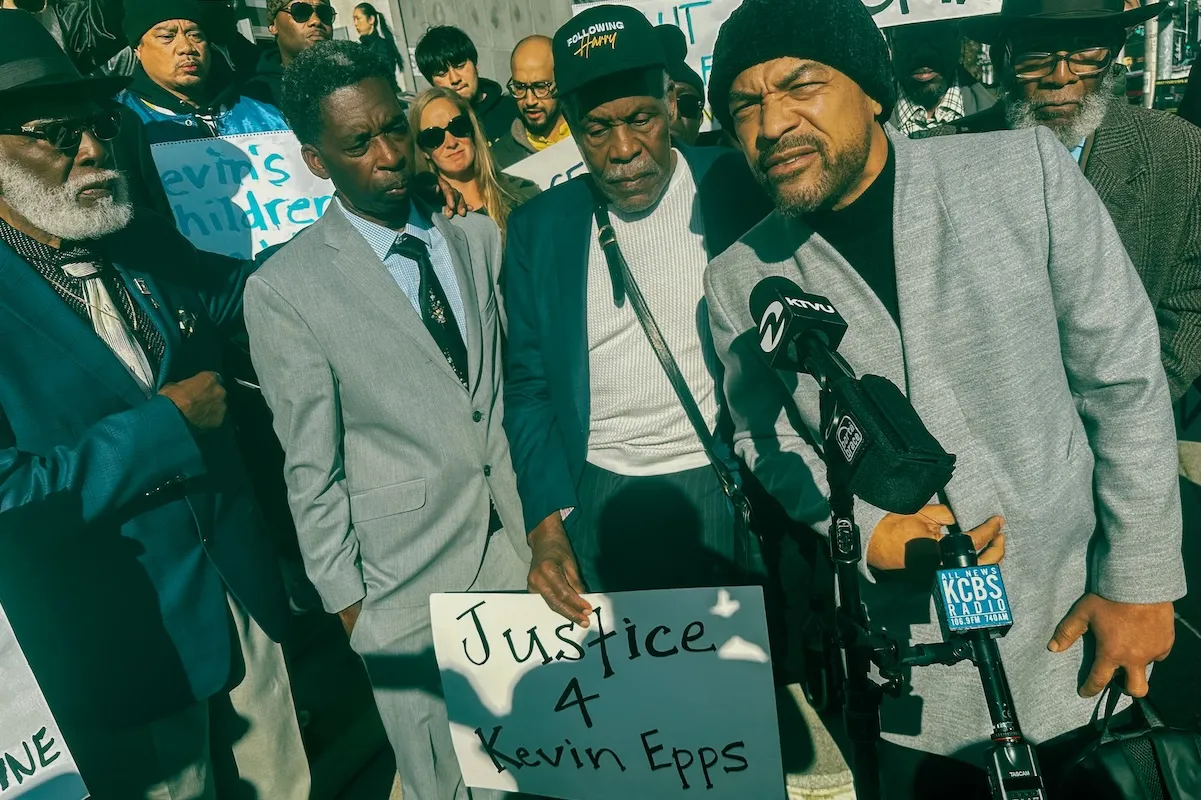
Prosecutor Jonathan Schmidt is facing criticism for what advocates for civil rights have identified as a disturbing pattern of behavior in the murder trial of Kevin Epps that includes failing to disclose exonerating evidence and spinning a misleading tale about the deceased. Not only does it appear that Schmidt’s antics cloud an already questionable trial outcome for Epps, but it also perpetuates a disturbing pattern regarding defendants who are Black and stand trial in San Francisco. As these trials continue and outrage builds, there are demands for a reckoning on the prosecutorial methods adopted at the San Francisco District Attorney’s Office.
Who Jonathan Schmidt is
Jonathan Schmidt is currently a prosecutor at the San Francisco District Attorney’s Office and an adjunct professor at UC Law San Francisco. According to his profile at UC Law, he specializes in child and sexual assault matters. As a prosecutor, he enjoys ample influence as regards charging, plea bargaining and trial strategy for serious felony crimes, including homicides.
Alleged misconduct in the Epps trial
In relation to the murder trial involving filmmaker and journalist Kevin Epps, it was alleged that prosecutor Schmidt committed prosecutorial misconduct on several instances as cited by defense attorneys and various community groups. A mistrial motion was filed by the defendant’s attorneys for making statements not based on facts, engaging in drawing false inferences, and infringing on Epps’ constitutional right to a fair trial. The motion was denied by the court.
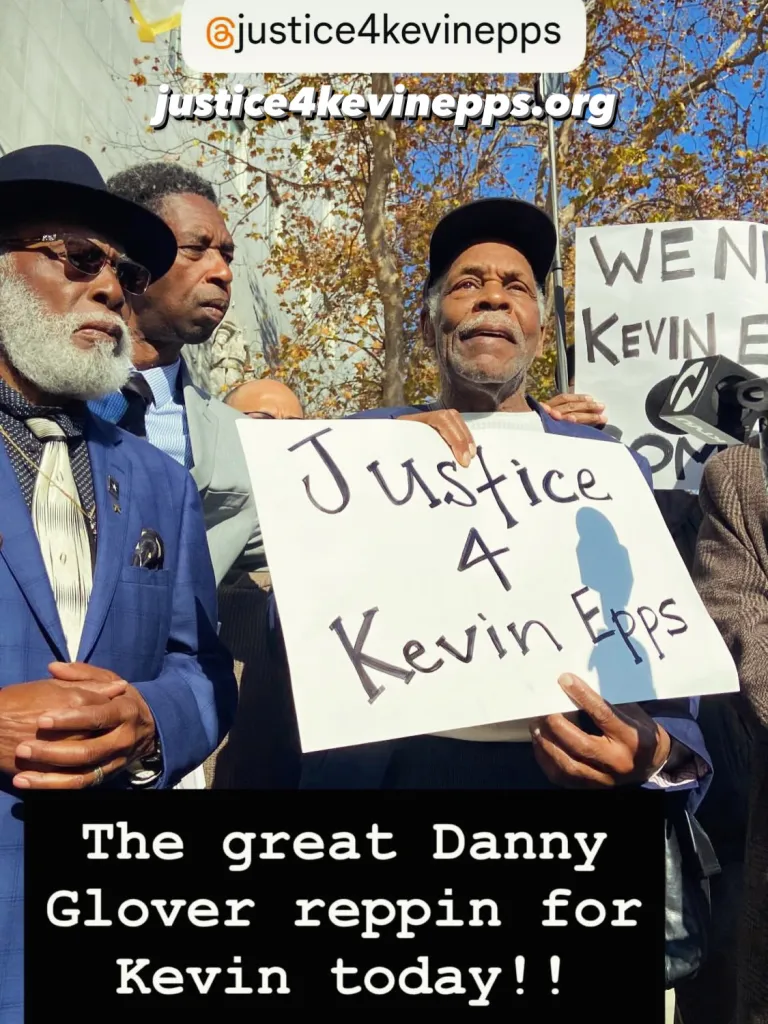
It appears that there was a critical incident wherein Schmidt once again depicted the deceased, Marcus Deleon Polk, as non-aggressive despite evidence within case records of violent acts, drug abuse, and parole violations spanning several years, prompting objections from the defense and outrage among onlookers. A statement issued on behalf of the Justice4KevinEpps movement and various others condemned as “prosecutorial misconduct” what they viewed as improper court actions.
Specific tactics under scrutiny
Critics focus on several concrete tactics:
- Selective narrative of the victim
During these weeks of trial, Schmidt allegedly portrayed Polk as a benign, down-on-his-luck guest, downplaying and failing to include a documented record that included convictions for several instances of domestic violence, criminal threats, lewd acts with a child, and 30 violations of parole. Advocacy groups have pointed out these facts as known and intentionally suppressed or downplayed before the jury, which significantly altered perceptions of the threat level within Epps’ home and thus a rationale for a claim of self-defense.
- Arguing facts not in evidence
The defense mistrial motion and commentary criticize Schmidt for making assertions that were not supported by trial evidence and for suggesting an alternative, benign portrait of Polk that diverged from police records, court calendars and parole documents on file. Polk offered “no real threat” within the home, Schmidt also repeatedly asserted, although threats and violence had previously been expressed.
- Distortion of comparative culpability
During some initial stages of the trial, Schmidt pointed out Epps’s previous felony involving marijuana while largely failing to mention Polk’s violence, sexual impropriety and habit of meth use, and he pointed out benign things Polk possessed in his backpack, such as a Rubik’s Cube and a Bible, but omitted or glossed over a notice for a violation of parole that had been discovered previously in the same backpack and had been introduced by the defense.
- Questionable framing of drug evidence
During the expert testimony, Schmidt at first attempted to demonstrate that the effects of marijuana and meth were similar before eventually conceding that meth has a more drastic effect, as a strategy from the defense viewpoint to obviate evidence about Polk’s use of meth which potentially supported Epps’s fear of Polk. But, as some critics argued, these defense efforts clouded extremely relevant distinctions within toxicology that directly addressed Polk’s actions and Epps’s reasonableness.
Why this is seen as dangerous
It has long been documented in scholarly literature on innocence and research reports on innocence that prosecutor wrongs, such as failing to disclose exculpatory evidence, misrepresenting documents and making assertions not based on fact are common factors in wrongful convictions. When such a prosecutor as Schmidt becomes perceived as manipulating storytelling and failing to include necessary context within a high-stakes trial involving homicide, it undermines confidence not solely within that trial but within the promise itself.
As community leaders have pointed out, these practices are particularly problematic within a city that faces challenges with regards to racial disparities and an issue with under-prosecuting police abuse, as they perpetuate a double standard with regards to whose fear will be listened to and whose life will be valued. Should these practices be allowed to continue unchecked within the ranks via supervision, judging and professional conduct review, there will be a standard set with regards to winning as opposed to finding the truth.
Precedent and potential repercussions
The Epps case represents a significant precedent on how much leeway is acceptable for San Francisco district attorneys on creating selective narratives involving Black defendants, victims and deceased. It would be argued that failing to punish Schmidt for his actions will have implications for district attorneys who believe they can pick and choose what they want as facts and still have it sanctioned.
Moreover, in relation to this specific case, it may set a precedent regarding the dynamics of plea bargaining, as it may encourage defendants to plead guilty because they fear that some exculpatory evidence will be suppressed and misrepresented during trial. It may also generate more cynicism towards the DA’s Office, and as a result, witnesses will be less likely to cooperate with it as it will not be seen as an impartial dispenser of justice but as an adversary.
Tabari Morris, a journalism student at City College of San Francisco and news editor of The Guardsman, City College’s student newspaper, is a reporter for the Bay View and can be reached at tabari@sfbayview.com.