



by Dr. Tiffany Caesar
“African Americans have some of the highest rates of preventable diet-related illnesses,” Bryant Terry observed. He also shared that a proper plant-based diet is a necessary intervention, a holistic regimen that has always been a part of our history, culture and lineage. Food is medicine.
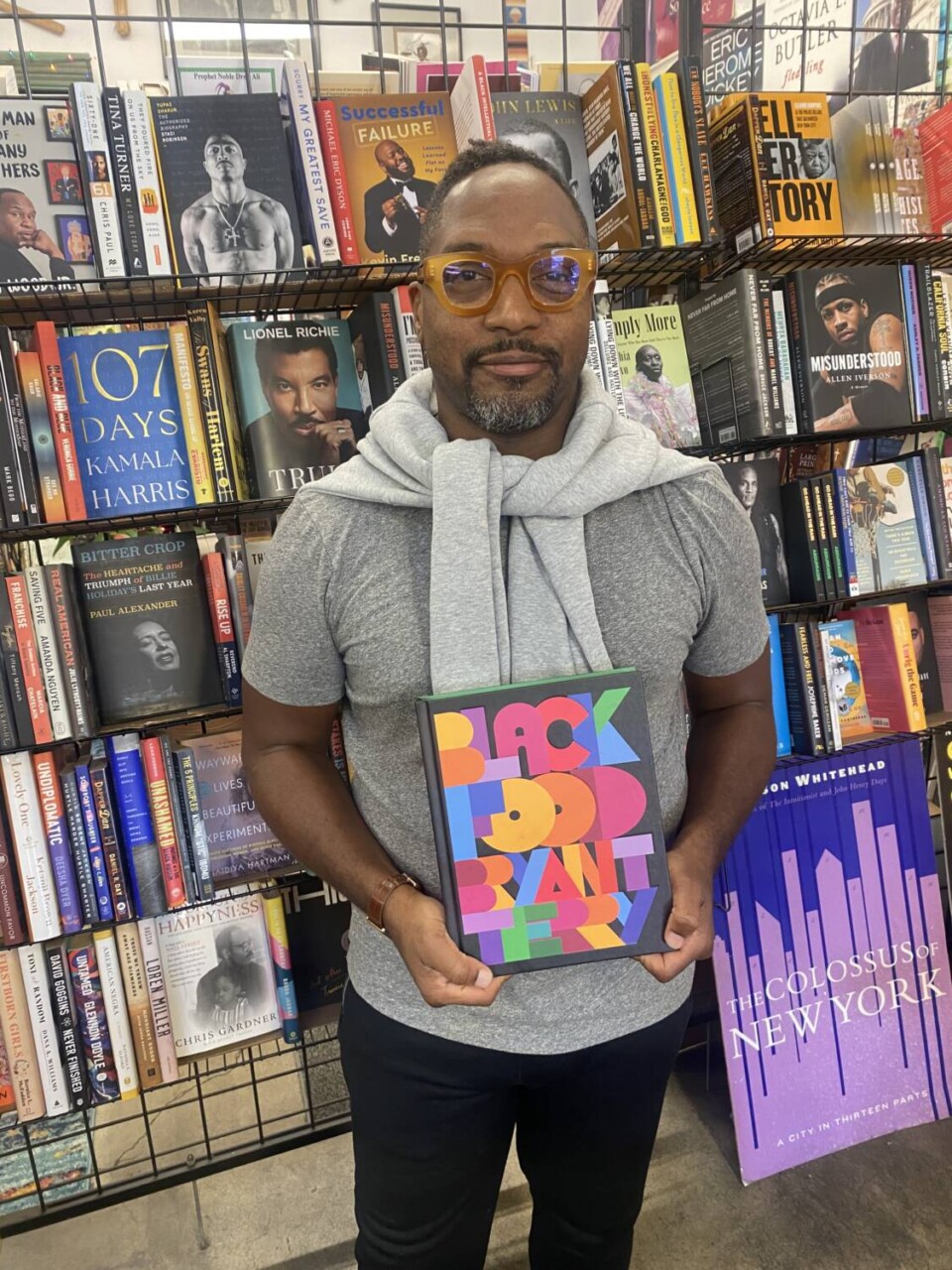
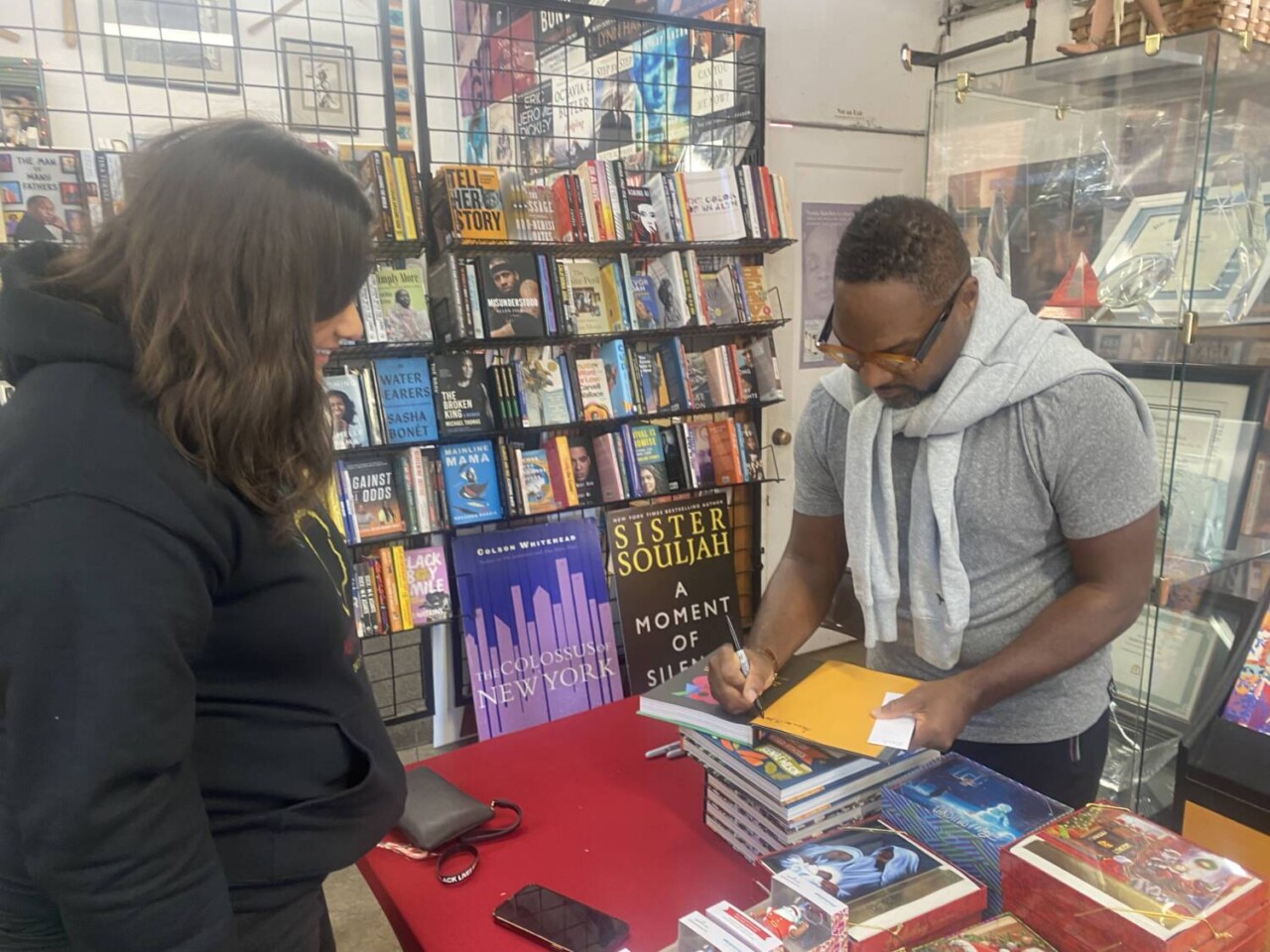
Bryant Terry stopped by Marcus Books in December to share his catalogue of plant-based recipes and knowledge with the world. He is a multidisciplinary artist, chef, publisher and author. Bryant’s list of accolades is a book in itself, including a James Beard award, a NAACP Image Award, and a seven-year term as the chef-in-residence at the San Francisco Museum of the African Diaspora. He is currently centering his studio artwork. Recently, he finished an MFA program in Art Practice at the University of California, Berkeley.
As the Oakland legend MC Hammer said, “Can’t Touch This,” Bryant Terry has created a galaxy of his own, centering his creative works, highlighting “resilience, cultural memory and liberation.” Casually seeing him at Marcus Books was an honor, a true Black cultural artifact in the flesh, honoring the community that supports him.
The plant-based diet in Black history
Terry remembers, “The people I first learned about eating vegan from were Black Seventh-day Adventists.” He remarked, “The big catalyst for me to shift my habits, attitude and politics to food came from hearing a hip hop song by Boogie Down Productions who wrote the song “Beef,” which talked about factory farming.”
The lyrics discussed violence and challenges to animals, sending him on a journey in high school. In addition, while he was a doctoral student in history at New York University, he was inspired by the food justice movement to further his aspiration to become a chef. He mentioned the Black Panther Party right here in Oakland, their historic commitment to the community through programs like the Free Breakfast for Children, as centering his own mission in providing and amplifying good Black food in areas where it is limited. He continues, “We can’t tell people to eat healthy if there are physical, economic and geographic barriers to them accessing whole, fresh, and healthy food.”
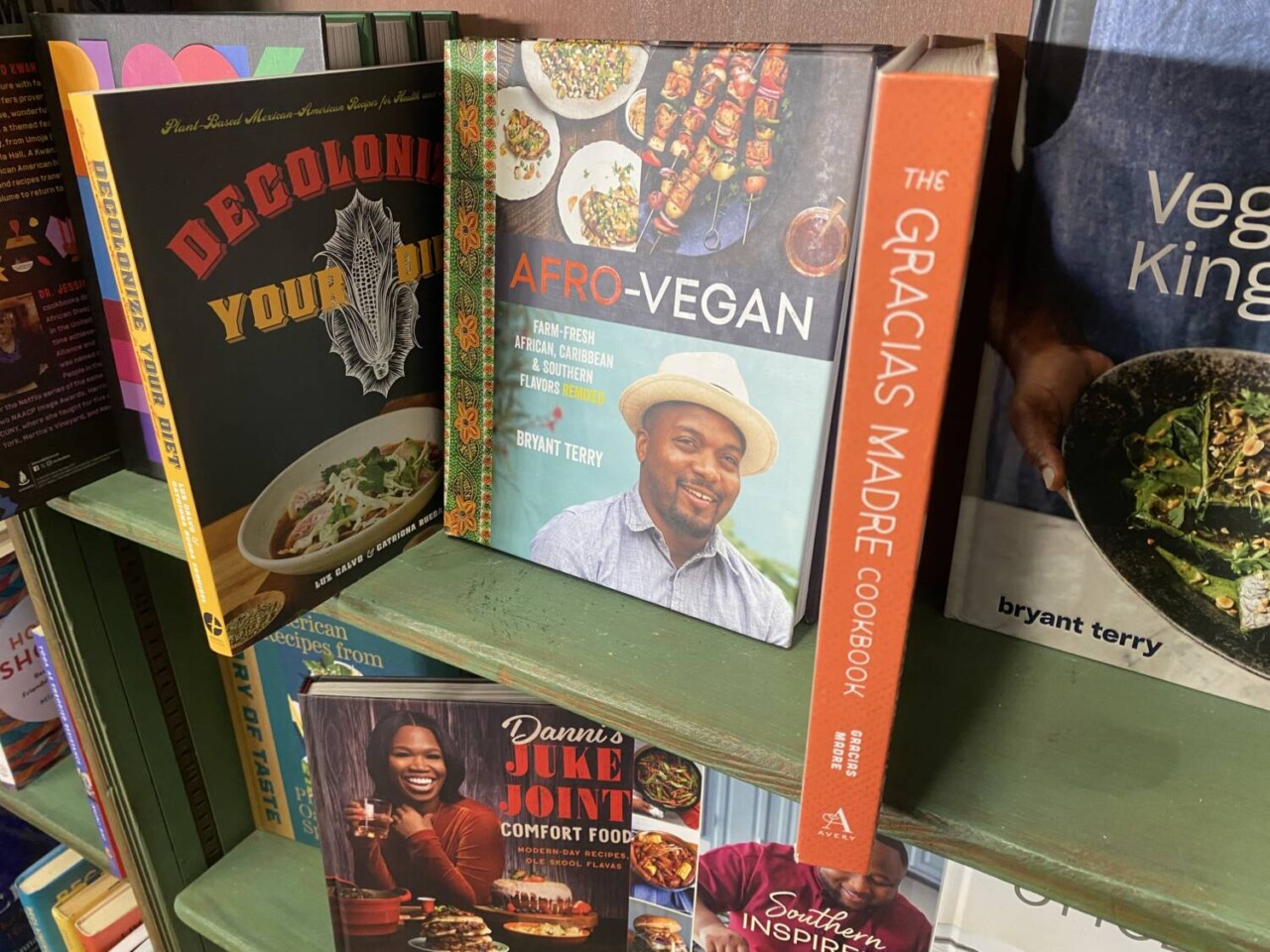
Bryant Terry is widely known for his multiple books, such as “Afro-Vegan,” “Vegetable Kingdom” and “Black Food,” to name a few. He shared with me the importance of a plant-based diet. “I think of it through the lens of the Black diaspora … and one thing that is always important for me to clarify and uplift is the Black-led food and health activism throughout the 20th century.”
He continued to provide some context: “If we think of the traditional diets throughout West and Central Africa – even going back to the period of enslavement – Black people were consuming largely vegetable diets.” He also named the Nation of Islam as centering a healthy lifestyle, reminding us that Honorable Elijah Muhammad wrote “How to Eat to Live,” Volume 1 and 2. In addition, he explained that the Rastafarian Ital diet is also plant-based, void of animal products. Bryant Terry shared that Black people globally have always loved eating vegetables.
Yet, when he began his own journey, the word vegan was associated with “upper middle class suburban white people,” and now it is connected to “urban white gentrifiers, living in urban centers.” A part of his life mission is to reconnect a plant-based diet that has been disassociated from Africa and the African Diaspora to its cultural memory. He continued, “There is a precedent of Black people eating in this way, cooking this way, growing the kind of nutrient-rich vegetable foods. I think it should be central to all our diets. It’s our lineage.”
Next phase
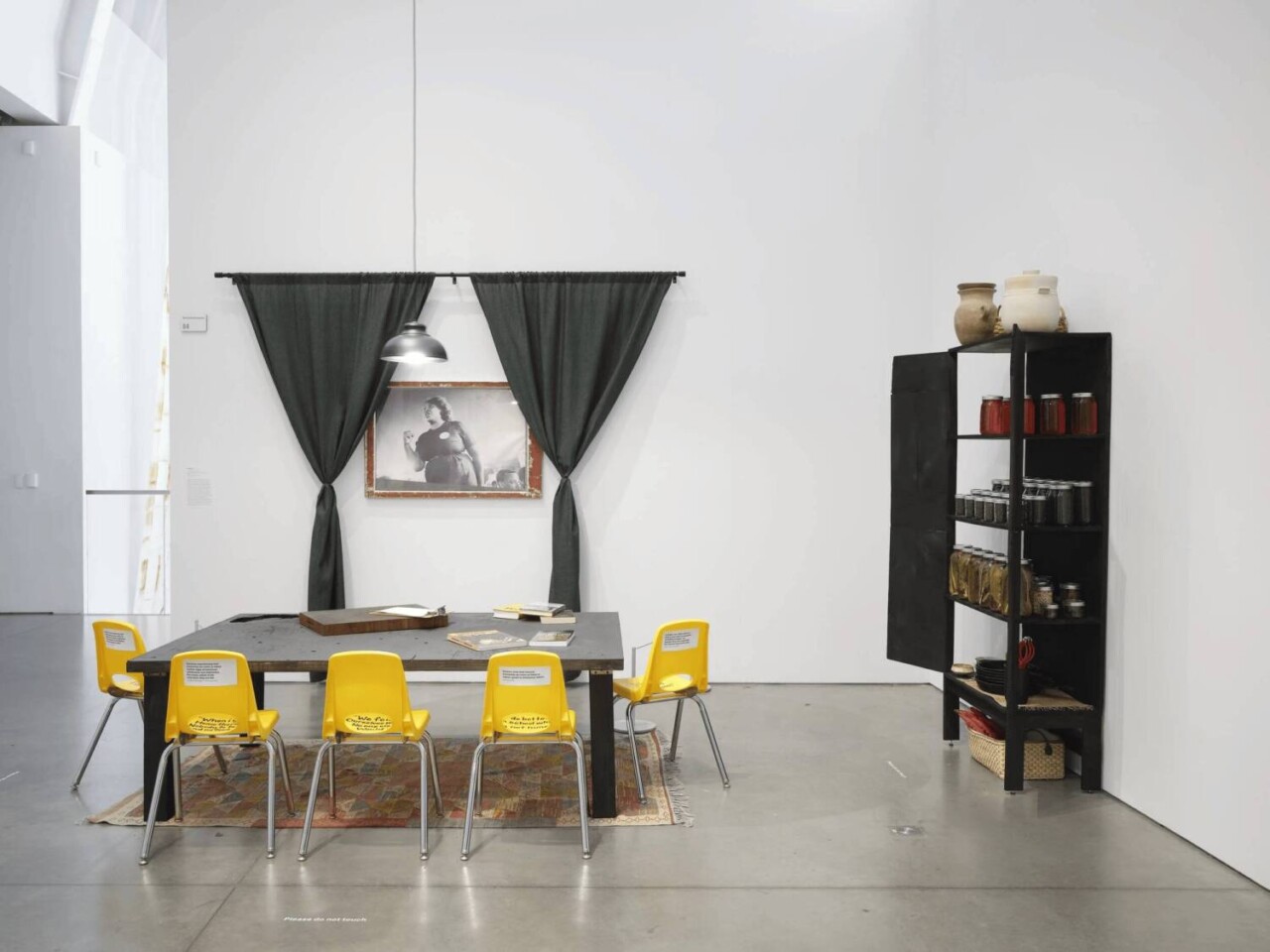
Bryant Terry excitedly noted he plans to continue to work with new authors of color in food justice with 4 Color, his imprint in collaboration with Ten Speed Press, and Penguin Random House. After a long streak of success, gaining knowledge, and community building, Bryant is excited about paying it forward.
In addition, he is building his studio practice, providing a “connective tissue” for all his publishing projects, public speaking, imprint, food justice, and more while getting his work in to gallery and museums. There is also a new book project on the way in 2027, though he kept information about it a secret.
Until then, feel free to go to Marcus Books to indulge in his contribution to the legacy of plant-based food and Black history!
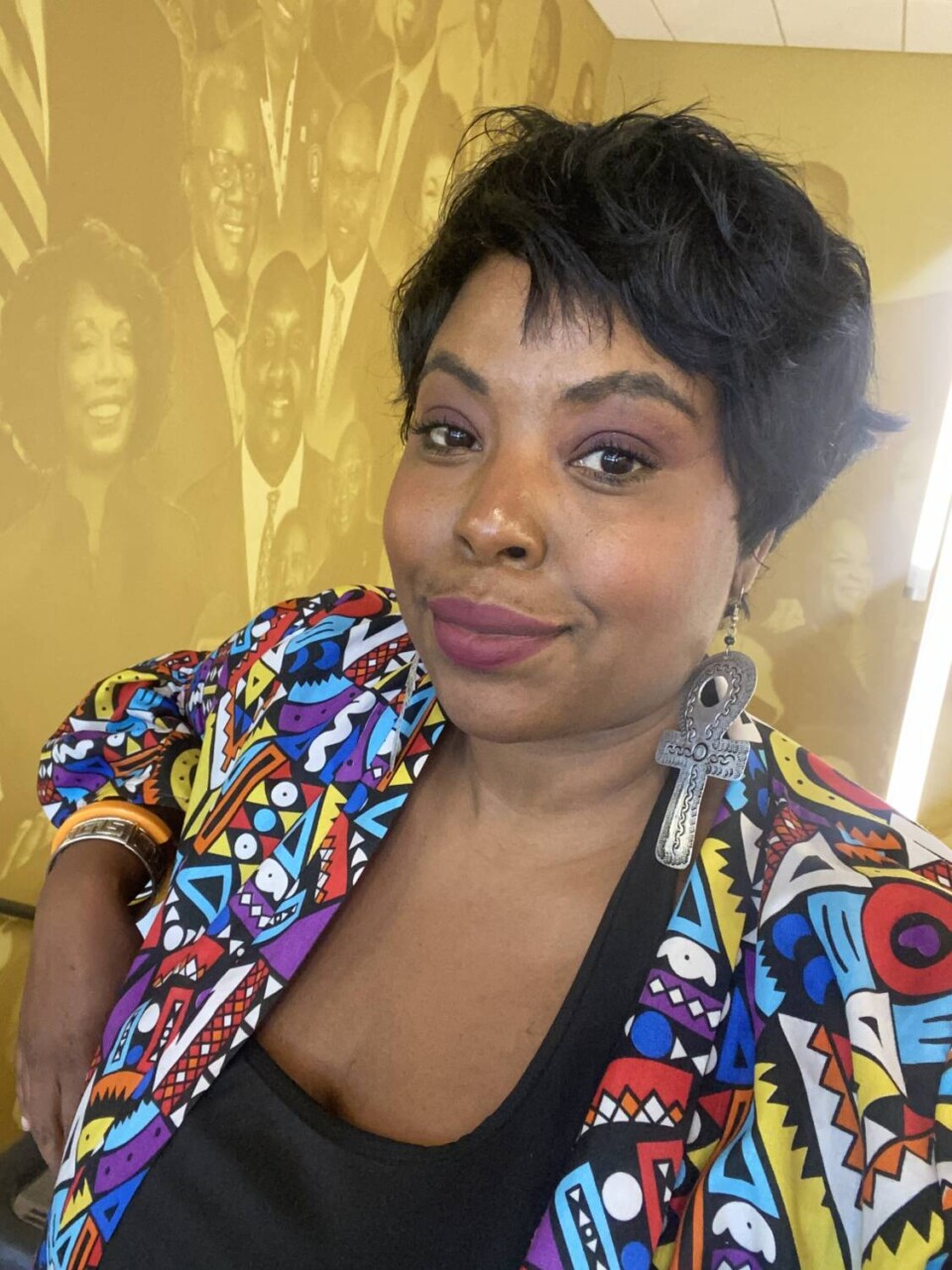
Dr. Tiffany Caesar is an Oakland-based writer, scholar, artist and activist. Her work emphasizes the preservation of Black cultural heritage institutions, Africana women and leadership, pan-African political movements, reparations and self-care. She is currently an assistant professor of Africana Studies at San Francisco State University, where she teaches African American History and Black Lives Matter: Race and Social Justice Movements. Dr. Caesar also serves as the SF Bay View Volunteer Student Internship Coordinator. She can be reached at drcaesar@sfbayview.com.