



By: Kevin Epps
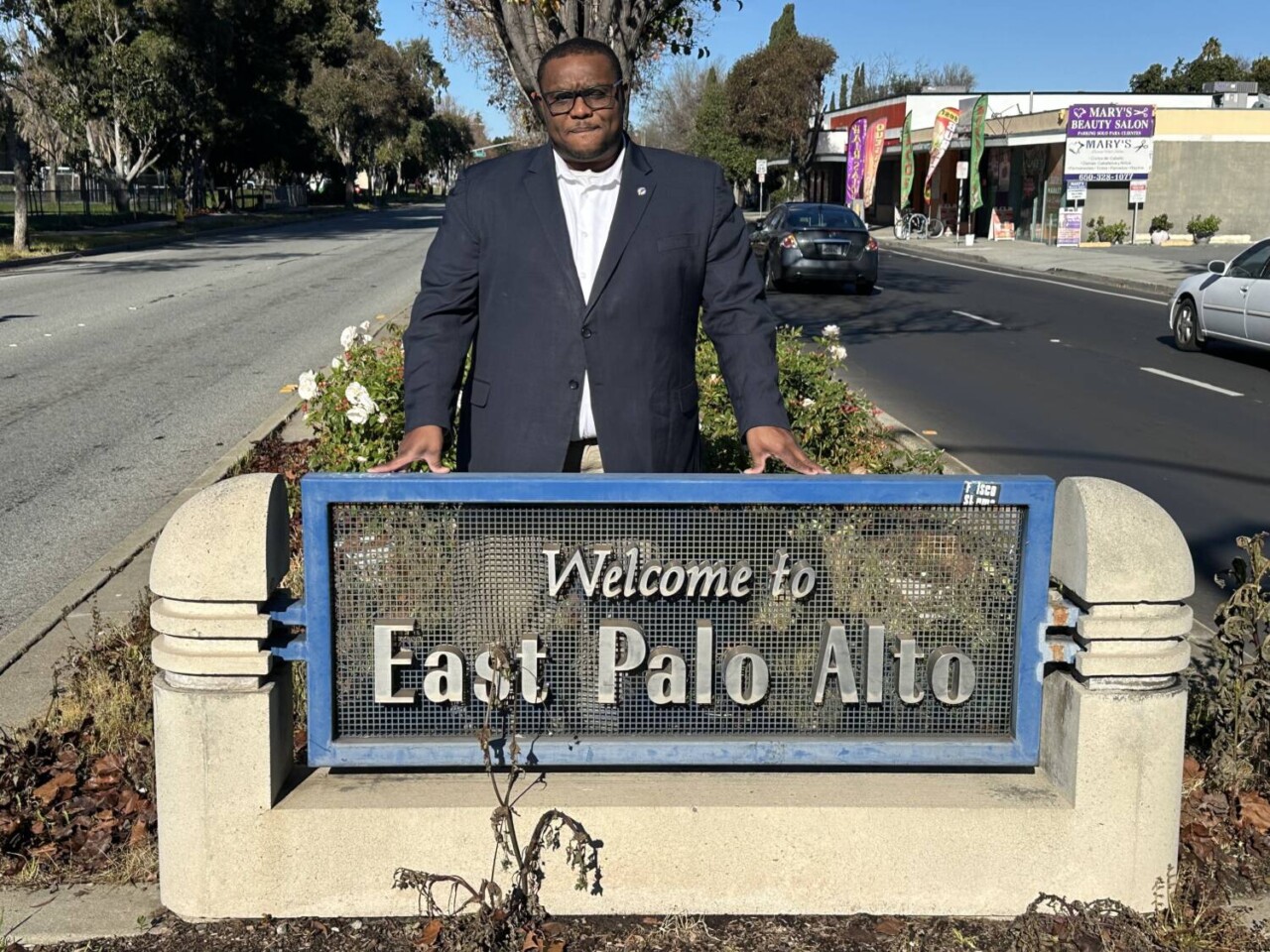
On a drizzly weekend morning, rain pattering against the windshield as Highway 101 snakes through Silicon Valley, I drove south to meet East Palo Alto’s newest mayor. Webster Lincoln, fresh off his unanimous appointment in December 2025, welcomed me with the easy warmth of someone who’s never really left home. At just over a year into his council term—after winning election in November 2024—he’s now the face of a city caught between its storied past and a tech-fueled future.
East Palo Alto Revisited
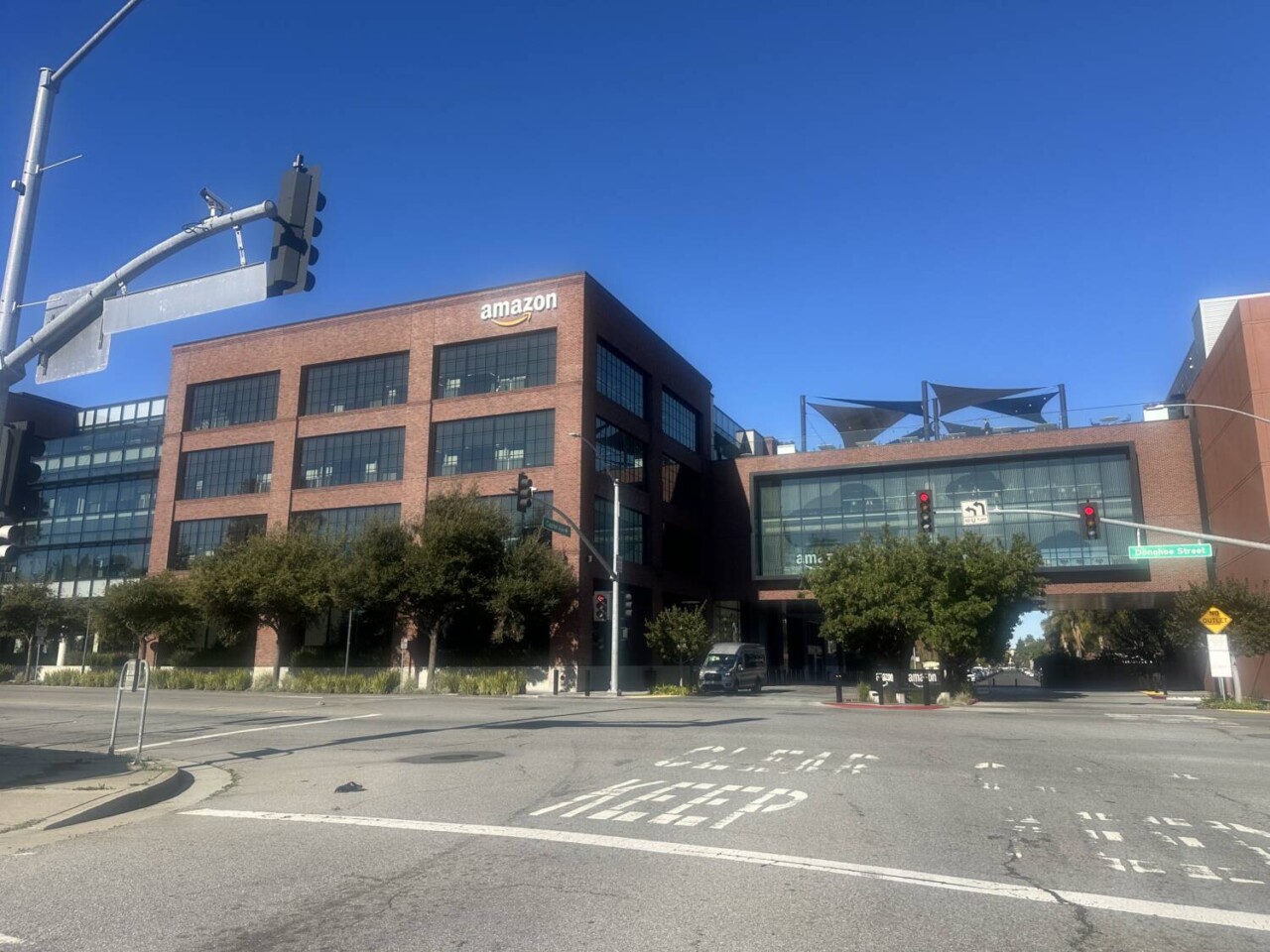
East Palo Alto, a compact 2.5-square-mile enclave wedged between Palo Alto’s ivory towers and the San Francisco Bay, has always been a place of resilience. Incorporated in 1983 as a majority-Black city fighting for self-determination, it was born from a desire to control its own destiny amid redlining and neglect. Once infamously labeled the Murder Capital of America in the early 1990s, the city has since undergone a profound transformation driven by community resilience and grassroots leadership. Today, with Meta’s sprawling campus visible on the horizon and Amazon warehouses rising nearby, the city pulses with change. Rents soar, demographics shift, and longtime residents grapple with displacement. Into this whirlwind steps Lincoln, a lifelong resident whose family story mirrors the Great Migration that shaped so many Black communities in the Bay Area.
Black Southerners Investments
Lincoln’s grandparents fled Jim Crow in Louisiana and Texas in the early 1960s, drawn by better weather, jobs, and freedom. His grandfather, a high school teacher, settled here and shrewdly invested in properties when East Palo Alto was overlooked—“the hood,” as Lincoln recalls. “Back then, you could buy houses cheap, rent them out, and build wealth,” he says, painting a picture of weekends spent helping fix up rentals with his family. That tangible security allowed his grandparents to retire comfortably, a stark contrast to today’s reality, where even biotech professionals like Lincoln struggled for years to buy a single home.
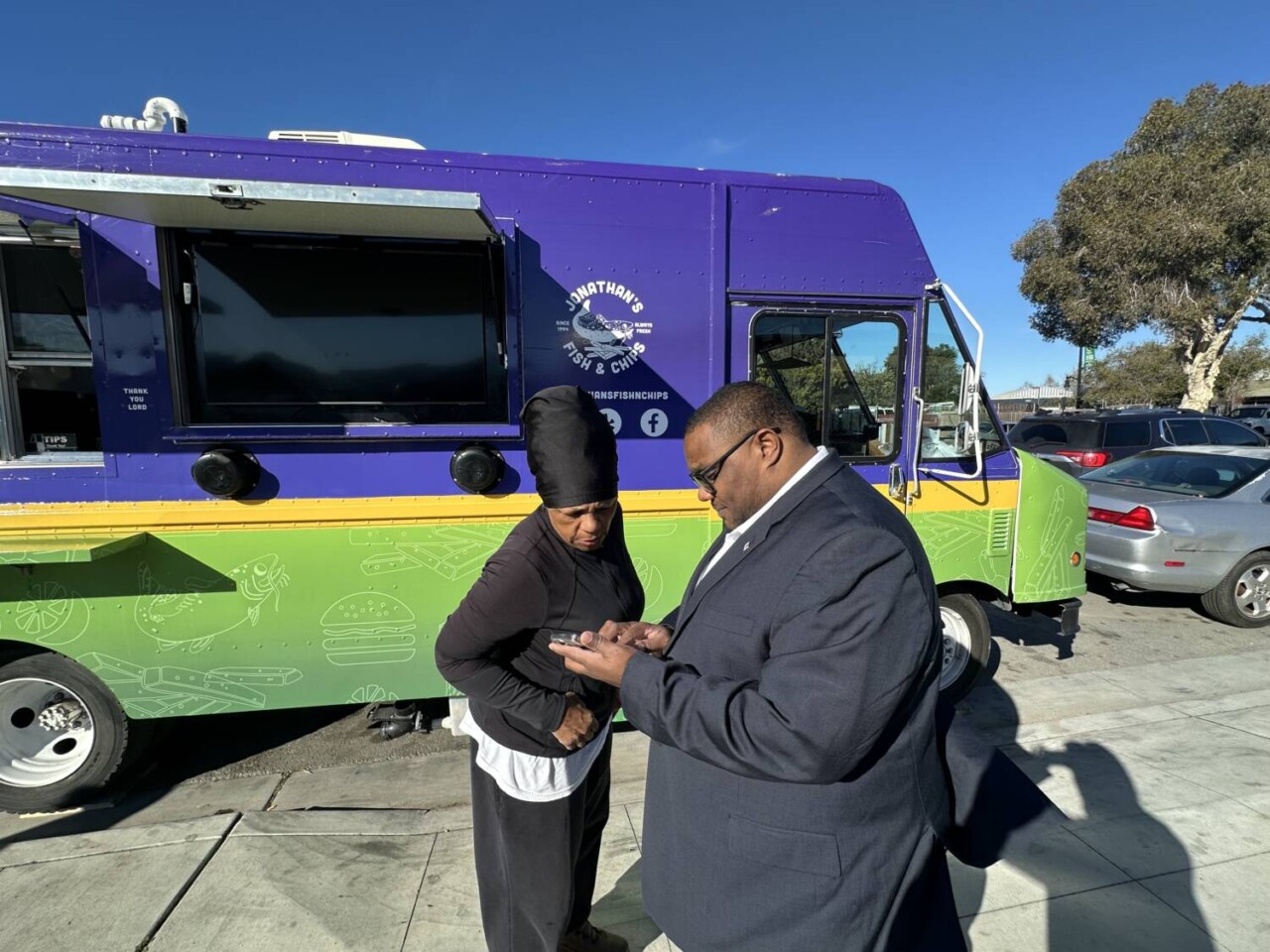
Born in Oakland but primarily growing up in East Palo Alto, Lincoln watched his neighborhood transform. Once predominantly Black, with block parties and tight-knit families, it’s now a mosaic—Latinx majority, with tech commuters streaming through. “We have the world’s richest companies within 25 square miles,” he notes, gesturing toward invisible campuses beyond the trees. “But for Black families, the 2008 foreclosure crisis wiped out generational wealth here harder than anywhere else in the county.”
Mayor Webster Lincoln Leads With Accessibility
Due to the current housing crisis in California that impacts black and brown families significantly, Mayor Lincoln is committed to focusing on affordable housing and preventing displacement.
There is no doubt, the expansion of Silicon Valley in the Bay Area has caused extremely high prices in the housing market. This has significantly impacted underserved and under-resourced populations from continuing to stay in these neighborhoods or even buy property.
At the top of Mayor Lincoln’s five-point plan to revitalize East Palo Alto is a 3-prong strategy to address the housing issue. It includes expanding affordable housing to low-income families and working individuals, supporting community land trusts to prevent displacement, and prioritizing mixed-use development that provides residents with housing and job opportunities.
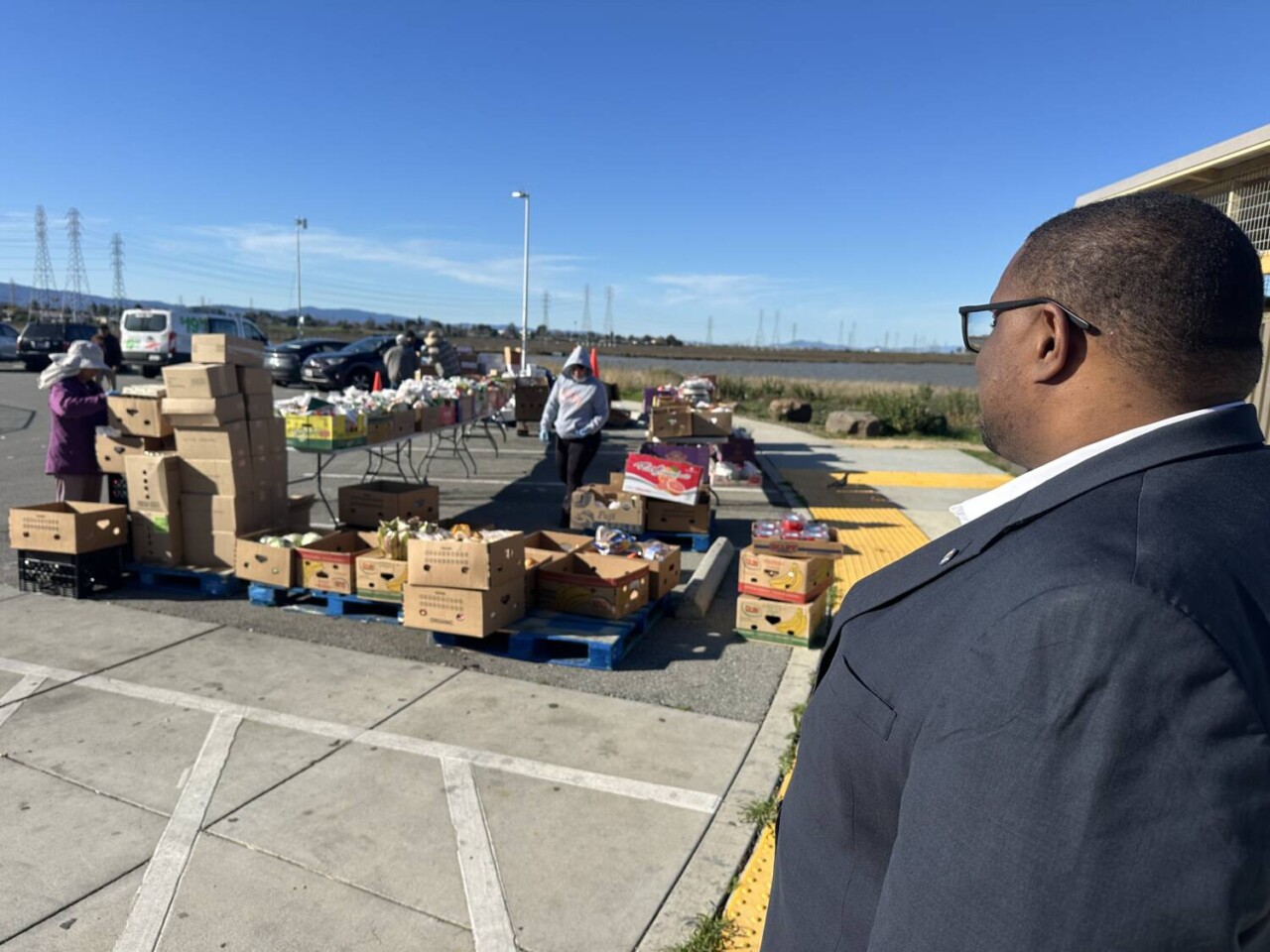
Webster’s other areas of service include economic development & job creation, youth empowerment and education, parking & traffic solutions, and public safety & community well-being.
It is clear he is centered on empowering the community while providing much needed resources that are accessible to everyone, not just the rich or the tech migrant workers.
A New Horizon In East Palo Alto
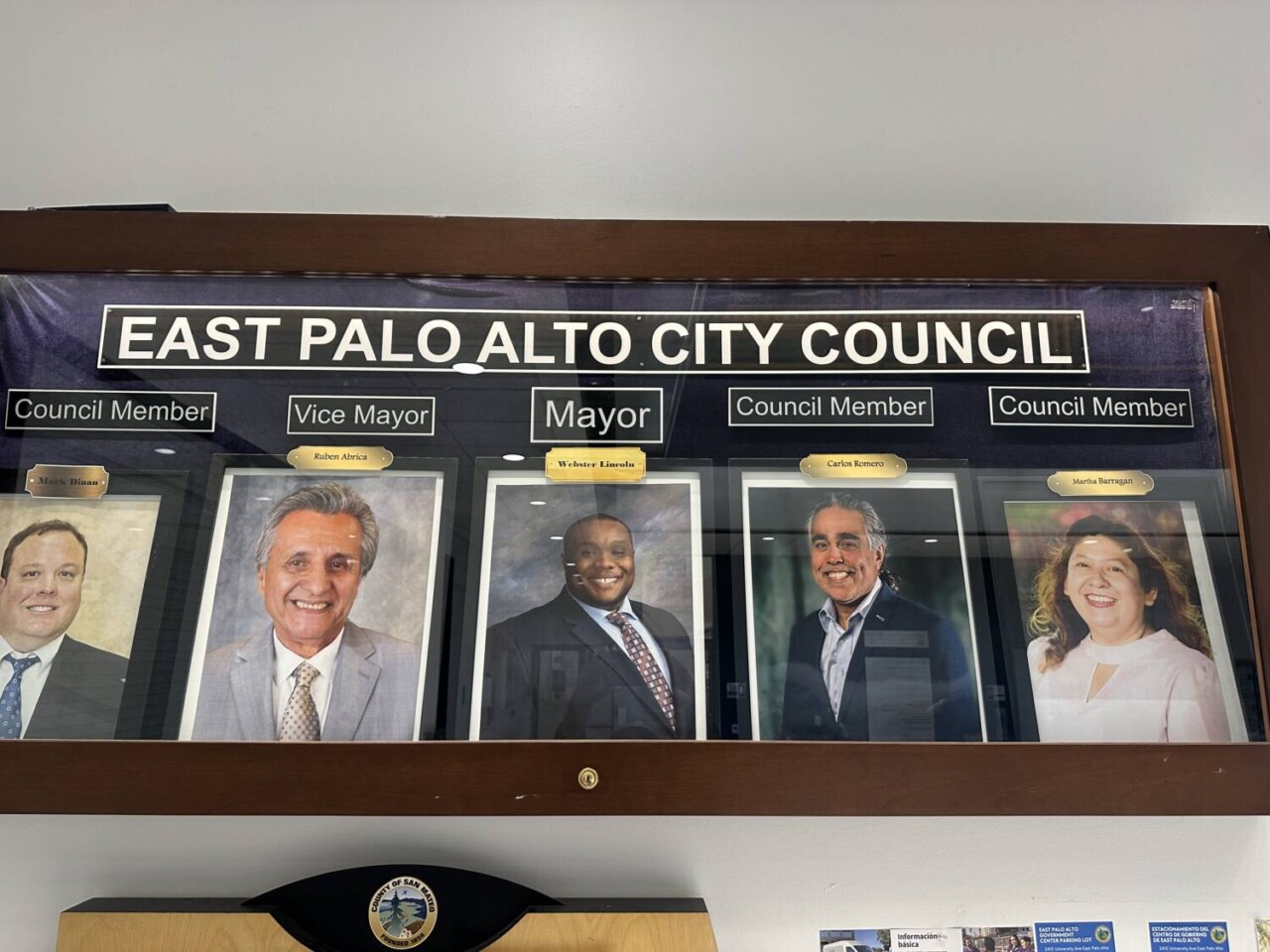
Mayor Webster Lincoln is on a mission to uplift a community that has been smeared with constant negative press in the past. Even with the shift of population and the tech boom, East Palo Alto still brings up old wounds for some.
Yet, Mayor Webster Lincoln provides East Palo Alto with a new horizon. He treats his community as a source of hope and entrusts them with action to preserve the legacy of East Palo Alto while contributing to positive and inclusive growth.
It’s a bright day in East Palo Alto, and Mayor Webster Lincoln is committed to allowing the city to shine.
Kevin Epps is a Dad, award-winning filmmaker, community activist, author, executive editor of the SF Bay View “National Black Newspaper” and a board member for the SF Bay View Foundation. Reach him at kevin@sfbayview.com or on Instagram: kevinepps1.