


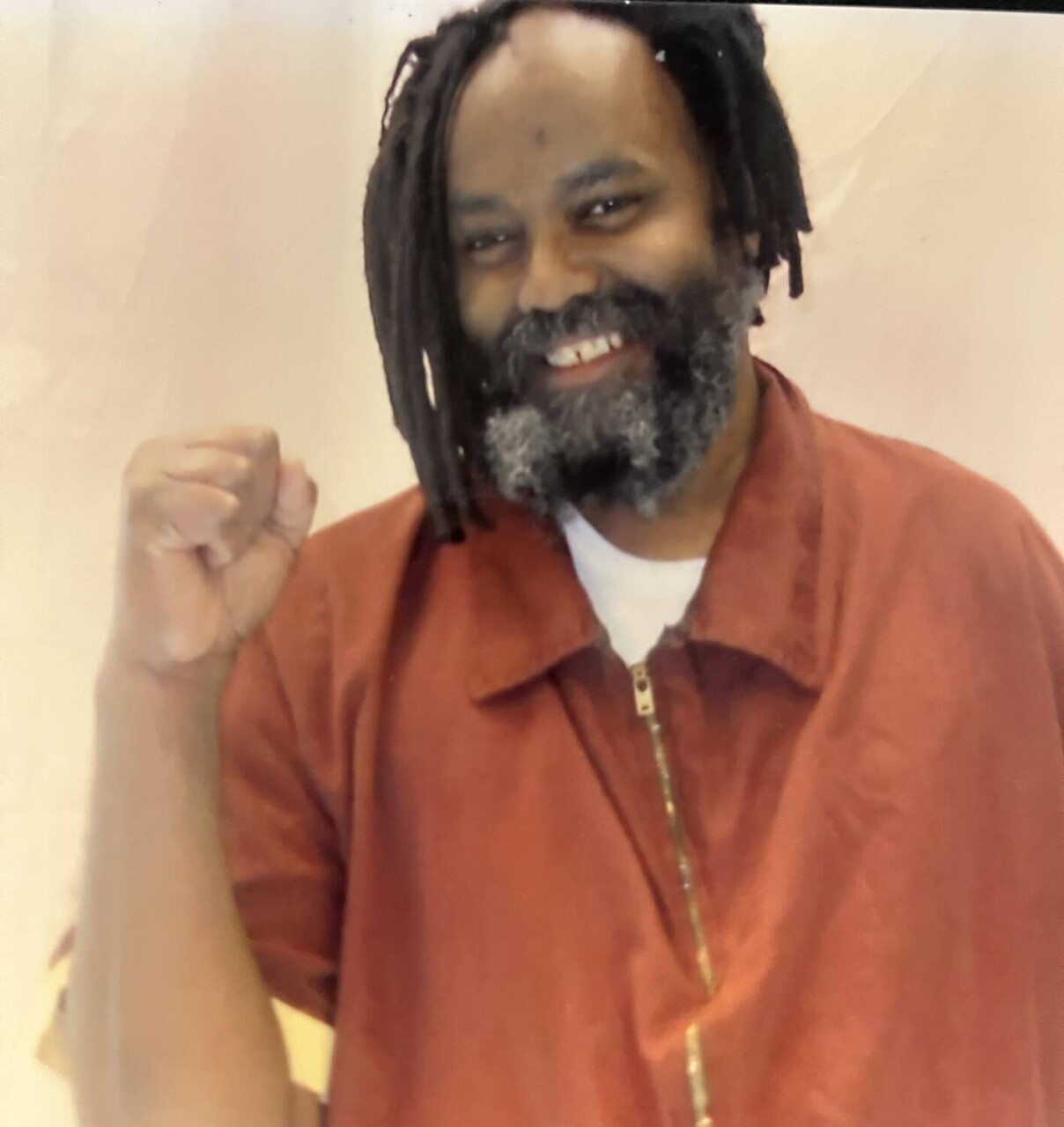
by Attorney Rachel Wolkenstein
Thirty years in solitary confinement on Death Row plus 14 years on ‘Slow Death Row,’ life imprisonment without the possibility of parole
Forty-four years ago, on Dec. 9, 1981, Mumia was arrested for shooting and killing Philadelphia Police Officer Daniel Faulkner. Mumia was tried, convicted and sentenced to death within six months in a politically motivated, racially biased prosecution, denied all basic constitutional protections to a “fair trial.” The so-called evidence of Mumia’s guilt was manufactured. The evidence of Mumia’s innocence was suppressed and covered up.
During the past two decades, the mainstream “Mumia Movement” has ignored and often actively suppressed the importance of Command Inspector Alfonzo Giordano in the frame-up of Mumia and the confession of self-described hitman Arnold Beverly as key evidence of Mumia’s innocence.
Mumia’s legal team of the last 20 years were silent about the frame-up of Mumia for the shooting death of Police Officer Daniel Faulkner. Legal challenges did not include argument and facts of Mumia’s actual innocence. With the exceptions of the work of the Partisan Defense Committee and the Labor Action Committee to Free Mumia Abu-Jamal, the fight for Mumia’s freedom has not been rooted in the fact that “Mumia is innocent and framed.” Mumia’s eldest son, Jamal Ibn Mumia, initiated the Freedom From Frame-Up Foundation, based on the fact that his father is innocent!
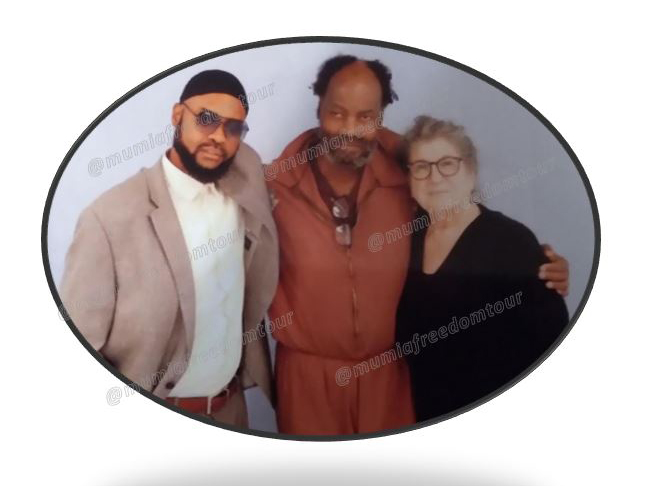
In Center City Philadelphia during the early morning hours of Dec. 9, 1981, at about 3:30 a.m., a Philadelphia cop, Daniel Faulkner, was shot and killed in the Center City “red light” district after stopping a car reportedly for an illegal wood rear bumper. The driver was Mumia’s brother, Billy Cook, and his friend, Kenneth Freeman, was a passenger. Police Officer Faulkner called for backup because there was more than one man in the car being stopped.
The after-hours clubs were closing. Many people were on the street; taxi cabs were driving through the area. Witnesses reported uniformed police as well as undercover cops in the area. Police radio transmission records establish that in less than two minutes after Faulkner requested back-up, a half-dozen police cars arrived at the scene.
That night Mumia was driving a cab in the Center City area. He had been fired as a radio broadcaster and commentator, allegedly for “bias” because he reported on police harassment and brutality against MOVE. Mumia had grown dreadlocks, showing solidarity with MOVE. He dropped off a fare less than a block from his brother’s stopped car. Mumia saw his brother hit by a police officer and heard gun shots as he ran toward his brother. Witnesses reported at least two men running away, one of whom was wearing a green army jacket.
Faulkner was already shot and “down” as Mumia approached his brother’s car and a uniformed cop shot him in the chest, critically wounding him. A half dozen cops kicked and beat Mumia, used his head as a battering ram, then threw him into a police van.
Photos taken by a free-lance photographer who arrived immediately after the shootings show a uniformed police officer holding two guns with bare hands. That cop was in the first team to call from the scene to Central Command — before the arrival of the police assigned to respond to Faulkner’s call for back-up. It was hours later until those guns were turned in for identification and testing.
From the moment Mumia arrived on the scene, after Faulker was already shot and “down,” Mumia’s guilt in the shooting death of Faulkner was being manufactured.
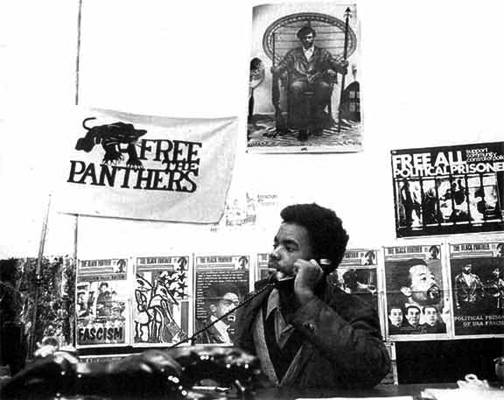
Philadelphia Police Command Inspector Alfonzo Giordano – third in the order of command in the Philadelphia police force – arrived seconds after Mumia had been thrown into the police van. Giordano’s first act was to further assault Mumia, hitting him in the head with a police radio while hurling racial slurs.
Inspector Giordano knew exactly who Mumia was — from his teenage days as a Black Panther Party spokesman, then radio journalist and MOVE supporter. Giordano took the lead as architect of the frame-up case against Mumia.
Mumia Abu-Jamal’s only “crime” was that he survived being shot and beaten by police officers on the scene and again at the hospital.
Inspector Giordano was the central source of information relied on by the media and was the main prosecution witness against Mumia in the first court proceedings. Giordano reported that Mumia confessed, that two witnesses saw Mumia run toward Faulkner, gun in hand, and that Mumia’s legally registered handgun was the murder weapon. All lies!
Information from police and prosecution files, including medical, ballistics and other forensic reports, photographs from the scene, court testimony and interviews with numerous persons who were on the scene and/or prosecution witnesses contradict or completely demolish the police and prosecution falsifications.
Evidence of Mumia’s innocence was suppressed and covered up!
Not known at the time Faulkner was murdered was that the FBI and Justice Department were running three parallel investigations into robbery, drug trafficking, gambling and prostitution conducted by organized crime in collaboration with corrupt police in the Center City Central Division and the 6th Police District. Police suspected that a police officer in the 6th District was working undercover for the FBI.
There was no public information about these Justice Department investigations until 1983, when the first of 30 police were charged and convicted on corruption charges. Mumia was already tried and convicted and sentenced to death. The convicted police included the entire police chain of command in the prosecution of Mumia Abu-Jamal, including the head and deputy head of the Philadelphia Central Police Division and the head of the Homicide Division. Inspector Alfonzo Giordano, who was convicted in 1986.
Investigation on behalf of Mumia led to confirmation that a police officer from the 6th District, who had a brother who was also a police officer, had worked as a confidential informant for the FBI in those cases. Daniel Faulkner fit that description. Faulkner owned a Top-Con camera, regularly used by the FBI. It was used by Faulkner that evening in the police station. The camera and film were not part of Faulkner’s effects after the shooting. but “disappeared.”
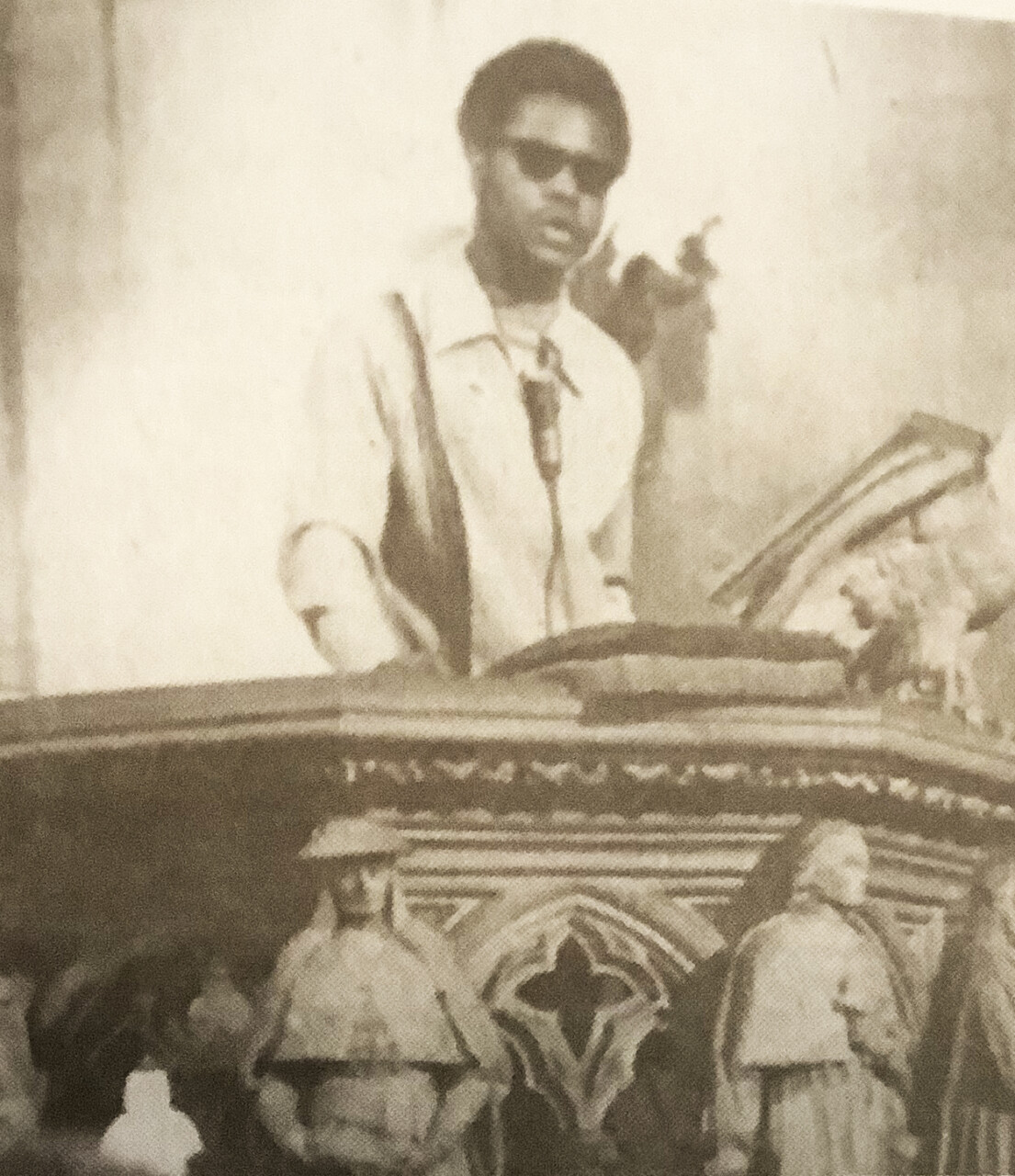
Arnold Beverly confesses to killing Police Officer Faulkner
In 1999, Arnold Beverly, a career criminal and self-described hit man, confessed to being hired by Philadelphia police to murder police officer Daniel Faulkner in 1981. He was wearing a green army jacket. Arrangements for the hit were made by Philadelphia Police Officer Larry Boston. Beverly’s sworn and videotaped confession includes:
“I was hired, along with another guy, and paid to shoot and kill Faulkner. I heard that Faulkner was a problem for the mob and corrupt policemen because he interfered with the graft and payoffs made to allow illegal activity, including prostitution, gambling, drugs, without prosecution in the Center City area.
“Faulkner was shot in the back and then in the face before Jamal came on the scene. Jamal had nothing to do with the shooting. … I shot Faulkner in the face at close range.”
Beverly’s description of Mumia being shot by a cop on the scene, not Faulkner, fits with a Medical Examiner’s record that Abu-Jamal was shot by “arriving police reinforcements.”
Beverly’s description of the shooting of Daniel Faulkner by more than one shooter from different directions explains the location of bullets and fragments recovered at the scene, the location of sidewalk bloodstains, none of which support the prosecution scenario. The absence of divots in the sidewalk exposes the falsity of the prosecution’s central claim that Mumia stood over Faulkner, who was lying on his back on the sidewalk, and shot directly at his face, with one bullet striking between his eyes and three others hitting the sidewalk.
Beverly’s confession also explained the unaccounted-for copper bullet jacket at the scene and other evidence that more than one weapon using different caliber bullets was fired at Faulkner. The Medical Examiner reported a sizable bullet fragment recovered from Faulkner’s head wound that was not produced as part of the prosecution’s evidence.
In short, Arnold Beverly’s confession, with its description of what happened on the scene and why, is supported by substantial evidence, including from forensic reports and other documents from prosecution files and corroborated by witness statements.
In 2001, the Beverly confession with corroborating evidence was submitted to the Pennsylvania and the federal courts. Neither court held an evidentiary hearing or allowed any legal argument in open court. Instead, both courts dismissed the evidence of the frame-up and Mumia’s innocence without any consideration of the legal claims of suppressed evidence of innocence and the intentional presentation at trial of false testimony. The courts dismissed the evidence presented to reverse Mumia’s conviction as “not timely filed.”
The facts of Mumia’s frame-up expose and explain the forces that have aggressively and relentlessly sought Mumia’s execution and then his life imprisonment — from the Philadelphia police and the nation-wide Fraternal Order of Police, prosecution beginning with Ed Rendell, to the U.S. Justice Department with the complicity of the judiciary.
The efforts to silence Mumia, including by medical neglect and malfeasance continues. Moreover, the continued cover-up of the “Beverly evidence” makes it clear that the injustice to Mumia Abu-Jamal was not the action of one rogue cop or prosecutor or judge, but a concerted effort to silence an unbending, outspoken political opponent of this racist, repressive, exploitive, murderous capitalist system.
For more information, including viewing the Beverly Confession and links to other information, go to Freedom from Frameup.org.
The falsification of Mumia’s ‘hospital confessions’
Shortly before Mumia’s trial in June 1982, Judge Sabo ruled that Giordano could testify that Mumia had confessed, although Mumia had not been given Miranda warnings. Then, without explanation, Giordano did not testify. Instead, the prosecution told Mumia that two police officers at the hospital emergency room heard Mumia confess. Those reports were dated two months after the shooting.
One of those police reports was made by Police Officer Gary Wakshul, one of the police who transported Mumia to the hospital. Wakshul’s Dec. 9, 1981, report stated, “The Negro male made no comments.” At his trial, Mumia tried to call Wakshul as a witness, but racist, cop-loving Judge Albert Sabo refused, stating Wakshul was not available.
The why behind Giordano not testifying against Mumia at his June 1982 trial is that Giordano was a target of ongoing FBI investigations into Philadelphia police corruption. Those investigations were not publicized until indictments were brought beginning in 1983. The DA’s decision to pull Giordano, who had been the primary witness against Mumia, had been made by collaboration between the FBI and the Justice Department and Philadelphia DA Ed Rendell.
The probable reason was to protect the impending charges against police from the Central Division and 6th Precinct AND the murder prosecution of Mumia Abu-Jamal. Knowledge that Giordano, who manufactured Mumia’s supposed confession, two “eye witnesses” and the murder weapon, had been under investigation for corruption would have given Mumia substantial trial arguments as well as grounds to overturn a conviction.
Giordano’s police personnel records show that in February 1982, Giordano was removed from his inspector command post and transferred to a desk job in the police personnel division. Not a coincidence, in early February 1982 the prosecution conducted a “roundtable meeting” with potential police witnesses to “discover” whether police, other than Giordano, had heard Mumia confess. This was the origin of the false report that police heard Mumia confess in the hospital emergency room. Medical reports and doctor statements state that Mumia was in critical condition and not able to speak.
Giordano retired from the police force at full pay the day after Mumia was sentenced to death. Unlike other police who were convicted on corruption charges in 1983-1984 and received prison terms, Giordano got a plea deal in 1986 with no jail time and a minimal fine. This was after Mumia’s first legal appeal had already been filed.
Rachel Wolkenstein, attorney with the Freedom from Frame-Up Foundation, Inc., has been a political and legal advocate for Mumia Abu Jamal since 1987. She served as staff counsel to the Partisan Defense Committee from 1985 to 2010, consultant for “From Death Row, This Is Mumia Abu-Jamal” in 1990, co-counsel for Mumia during his first Pennsylvania post-conviction proceedings from 1995 to 1999, and chief legal consultant for “Manufacturing Guilt” in 2013.